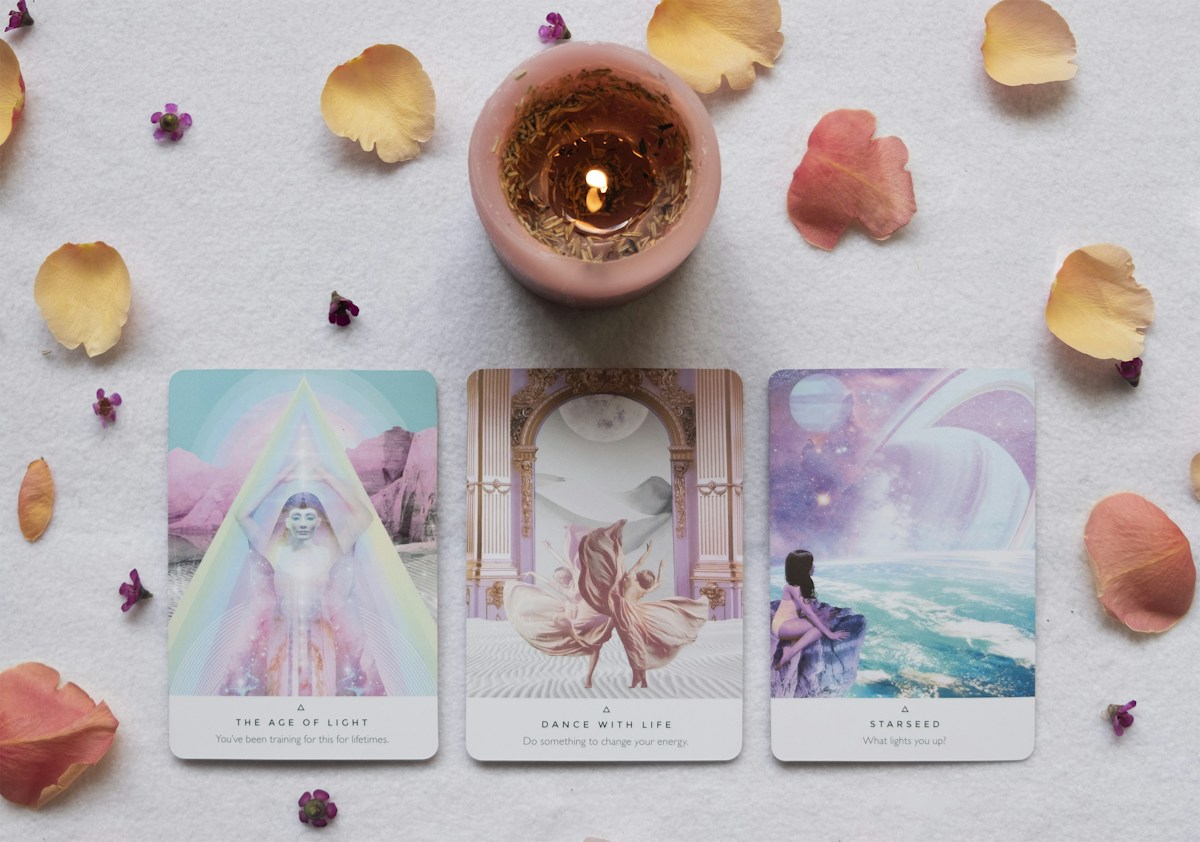
Synchronicity is a term coined by psychologist Carl Jung, referring to meaningful coincidences that occur with no causal relationship yet seem to be meaningfully related. Within the realm of soul connections, synchronicity plays a pivotal role, often acting as a guiding force in relationships that resonate on a deeper, spiritual level. This concept suggests that our connections with others may transcend the ordinary, exhibiting a unique interplay of timing and events that highlight the significance of our relationships.
The origins of synchronicity can be traced back to Jung’s exploration of the human psyche, where he posited that certain events align in a way that feels purposeful, often coinciding with significant emotional or existential moments in a person’s life. This intersection of the psychological and spiritual realms invites individuals to consider that their relationships might not merely be random interactions but rather orchestrated events laden with meaning. Philosophically, synchronicity challenges our understanding of cause-and-effect relationships, suggesting a more holistic view of the universe where connections and patterns exist beyond our immediate perception.
In practice, synchronicity can manifest in various ways within soul connections. For example, many individuals report experiencing synchronous events such as encountering the same signs or symbols during significant moments, meeting someone who seems to have a shared background or experience, or having a thought that aligns perfectly with another person’s feelings or actions. These occurrences are often perceived as affirmations of the bond shared between souls, enhancing their connection and providing clarity in decision-making processes. By acknowledging and embracing synchronicity, individuals may find that their relationships deepen, propelled by the understanding that they are part of a larger narrative woven through shared experiences and moments of significance.
The Role of Synchronicity in Relationship Decisions
In the context of relationships, synchronicity refers to the meaningful coincidences that appear to guide individuals in their decision-making processes. These events often occur at pivotal moments when people are faced with important choices regarding love, commitment, and personal boundaries. The experience of synchronicity can serve as a subtle but powerful confirmation of one’s thoughts and feelings, helping individuals navigate the complexities that relationships often present.
When individuals are confronted with a decision about their romantic life, such as whether to deepen a commitment or reassess a boundary, synchronicity can manifest in various forms. For instance, one might encounter a song that resonates with their current emotional state or have an unexpected conversation that sheds light on their situation. These synchronistic moments are often interpreted as signs, providing valuable insights and affirmations about the right course of action.
Moreover, recognizing these synchronistic events can enhance self-awareness and clarity. By paying attention to the patterns and coincidences in their lives, individuals may discover links between their internal feelings and external circumstances. This awareness can foster a deeper understanding of their desires, helping to align their decisions with their authentic selves. In doing so, they are more likely to make choices that promote their emotional well-being and relationship satisfaction.
Additionally, integrating the concept of synchronicity into relationship decision-making encourages individuals to be receptive to the signals from their environment. Rather than relying solely on rational analysis, they may also tap into intuitive insights, which can lead to more holistic decision-making. Ultimately, synchronicity acts as a guide, illuminating paths in the intricate journey that is love and relationships.
Recognizing Signs of Synchronicity in Your Relationship
Synchronicity often manifests in relationships through meaningful coincidences and events that resonate deeply with both partners. To effectively recognize these signs, it is crucial to cultivate an openness to the experiences life offers. Begin by paying attention to recurring themes, symbols, or messages that seem to appear in conversation or shared activities. For instance, you might find that both partners intuitively gravitate towards the same music, literature, or movies at significant moments in your relationship. This kind of alignment may indicate a deeper connection at work.
Another important aspect of recognizing synchronicity is the role of intuition. Trusting your gut feelings can serve as an essential compass when navigating your relationship. If a certain event or feeling seems to resonate strongly with you, consider what it might signify for both your relationship and individual journeys. By honoring these intuitions, you allow yourself to develop a richer understanding of your partner’s emotions and the overall dynamics at play.
Mindfulness plays a pivotal role in this process. Engaging in practices such as meditation, journaling, or simply taking moments of quiet reflection can enhance your ability to notice subtle synchronicities. Commit to being present in your relationship, whereby you tune in to your feelings and the environment around you. By practicing mindfulness, you create space to appreciate the unique coincidences that may guide your decisions.
By actively recognizing these signs of synchronicity, you not only deepen your connection with your partner but also tap into a sense of guidance for making important decisions. This responsive approach can lead to a partnership that is both fulfilling and harmonious, as you learn to trust the insights life offers through these synchronous moments.
Embracing Synchronicity for Deeper Connections
Embracing synchronicity in personal relationships can profoundly enhance emotional and spiritual connectivity. By recognizing and cultivating moments of alignment, individuals can create stronger bonds with their partners, leading to a more harmonious relationship. To achieve this, fostering awareness is essential; it helps in identifying these synchronicities that can manifest in everyday life.
One effective strategy is engaging in open communication. Discussing feelings, thoughts, and experiences with your partner encourages the discovery of shared moments or coincidences that resonate deeply. This practice not only strengthens emotional intimacy but also reinforces the notion that both partners are journeying together through life, attuned to each other’s vibrations.
Meditation and mindfulness techniques can also facilitate a deeper connection to synchronicity. Spending time in silence and reflection allows individuals to center themselves and recognize signs and patterns in their interactions. This heightened awareness encourages individuals to remain present, fostering a deeper understanding of their partner’s needs, desires, and intentions. By aligning one’s mindset with the universe, partners may find that their paths intersect more frequently in meaningful ways.
Additionally, being open to change and spontaneity can enhance the experience of synchronicity in relationships. Allowing for flexibility in plans and expectations often leads to serendipitous moments that can enrich the partnership. By embracing opportunities that arise naturally, couples can participate in a dance of connection that deepens their relational dynamics.
Ultimately, as individuals integrate synchronicity into their relationships, they tend to experience a shift toward greater fulfillment. When aligned with each other’s rhythm, partners cultivate a union that celebrates harmony, growth, and mutual support. This alignment not only deepens existing connections but also enhances the overall relational experience, paving the way for a more enriching shared journey.