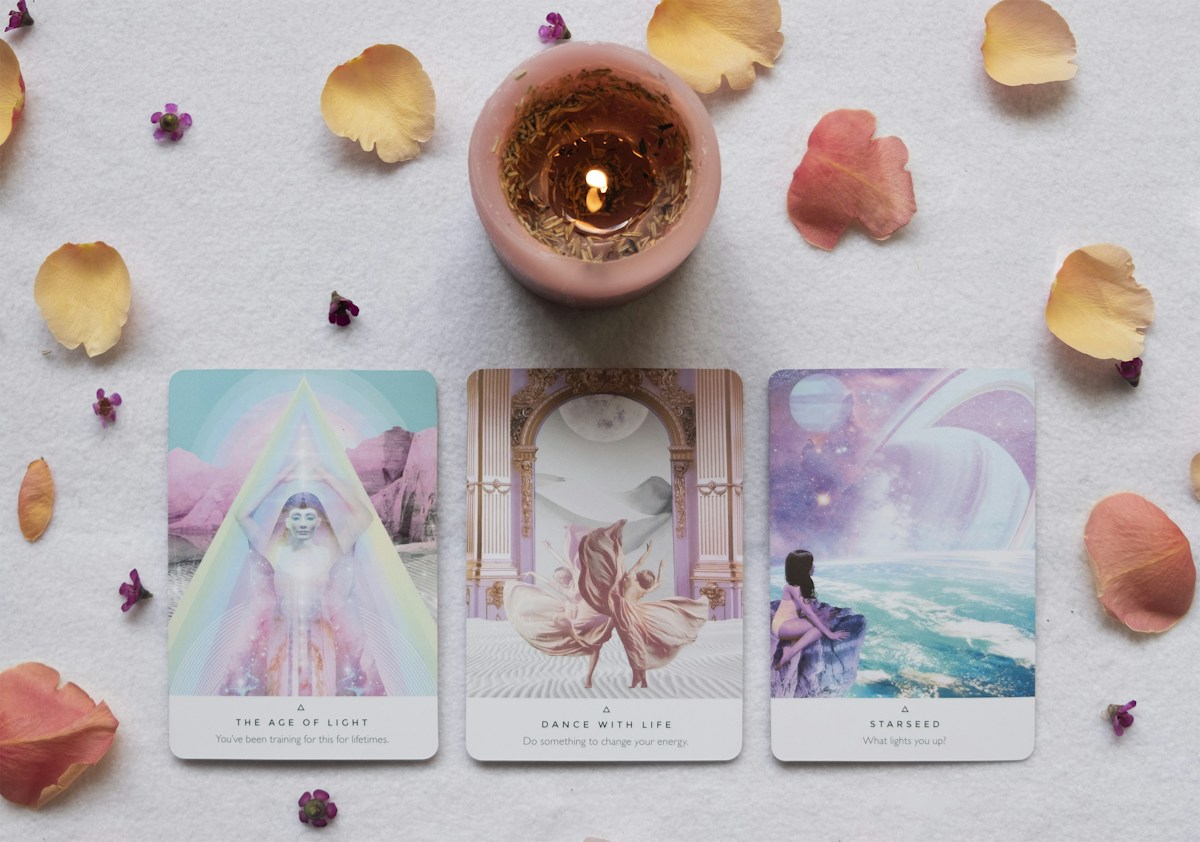
5D relationships, often referred to as fifth-dimensional relationships, represent a shift in the way individuals connect with one another. The idea of the fifth dimension in relationships transcends traditional paradigms, focusing primarily on emotional depth, spiritual awakening, and heightened awareness. This concept allows partners to engage with each other on a more profound level, often characterized by mutual understanding and connection that goes beyond physical attraction or societal expectations.
One of the defining characteristics of 5D relationships is the emphasis on emotional intelligence. Individuals in such partnerships prioritize open communication, empathy, and vulnerability, fostering a safe space for each person to express their feelings and thoughts without fear of judgment. This creates a foundation conducive to genuine love and support, where partners empower each other in their personal and spiritual growth.
Moreover, 5D relationships emphasize a shared journey towards spiritual awakening. Partners are often motivated by a quest for higher consciousness and alignment with their true selves. This may involve engaging in practices such as meditation, mindfulness, or even exploring metaphysical concepts together. Through this shared experience, couples cultivate a sense of unity that resonates at a deeper frequency, potentially leading to transformative life experiences.
A significant allure of 5D relationships lies in their idealized version of love. Unlike conventional relationships, which might be influenced by external factors such as financial security or social status, 5D relationships invite individuals to redefine love based on authenticity, alignment, and shared values. This idealization offers a compelling narrative for those seeking deeper connections, but it also raises questions about the sustainability and practicality of such partnerships in a world dominated by traditional relationship structures.
The Fear of Commitment
Commitment issues pervade many relationships, often rooted in psychological barriers that deter individuals from forming lasting bonds. One of the predominant factors influencing this aversion is the fear of vulnerability. For many, exposing their true selves to another person can be daunting, as it requires relinquishing emotional control and inviting potential hurt. This fear often stems from past experiences in which vulnerability led to disappointment or betrayal, leaving emotional scars that discourage entering into new commitments.
Additionally, the complexities of modern societal expectations can exacerbate the fear of commitment. Individuals may feel pressured to conform to timelines or relationship standards set by peers and culture. This societal weight can lead to anxiety, causing people to shy away from the responsibilities that come with commitment, which they perceive as limiting their freedom. Coupled with the internal battle against these pressures, individuals may turn to alternative relationships that promise excitement without the burdens of emotional depth.
In this context, the pursuit of 5D relationships emerges as a potential coping mechanism. These connections, characterized by heightened awareness and deeper emotional engagements, allow individuals to explore their desires while maintaining an emotional distance. They often believe they can experience intimacy without the entanglement of traditional commitments. However, this approach can create a paradox where the quest for connection results in a series of superficial interactions. As one navigates this intricate landscape, it is crucial to recognize that while 5D relationships may provide temporary relief from the fear of commitment, they often prevent individuals from confronting the emotional truths that lie at the heart of lasting connections.
The Pros and Cons of 5D Relationships
5D relationships, characterized by heightened emotional and spiritual connections, offer various benefits that have attracted many individuals seeking deeper connections. One of the primary advantages is the opportunity for personal growth. Individuals engaging in these relationships often experience increased self-awareness, as they are encouraged to explore their own emotions and thoughts in a non-judgmental environment. This introspection can lead to greater emotional intelligence, which is essential in forming healthy, intimate relationships.
Another significant benefit of 5D relationships is emotional freedom. Without the constraints often found in traditional relationships, individuals can express their feelings freely and authentically. This level of openness fosters trust and allows partners to support one another’s spiritual journeys, creating an empowering atmosphere where growth is not only accepted but encouraged.
However, 5D relationships also present certain drawbacks. One major concern is the potential avoidance of real intimacy. As partners prioritize spiritual alignment and emotional connections, they may inadvertently neglect the physical aspects of a relationship that contribute to true intimacy. This focus can limit the development of a well-rounded partnership deepened by both emotional and physical closeness.
Additionally, partners in 5D relationships may become emotionally dependent on idealization. By focusing on the elevated spiritual connection, individuals may overlook the flaws inherent in their partners, ultimately leading to unrealistic expectations. This idealization can hinder the growth of genuine emotional bonds, as it becomes challenging to reconcile the ideal with the reality of one’s partner.
Finally, there is the risk of stagnation, with many individuals never transitioning to a more grounded relationship. While 5D connections can be fulfilling, the lack of a clear path toward a more traditional partnership can lead to feelings of confusion and frustration over time. In conclusion, while 5D relationships offer rich opportunities for personal and emotional growth, individuals must remain mindful of the potential pitfalls that can arise from such connections.
Finding Balance: Transitioning from 5D to Committed Relationships
Transitioning from 5D relationships, often characterized by a heightened sense of spiritual connection and emotional intensity, to more grounded, committed partnerships can be a complex journey. The first step in this transition involves self-reflection. Individuals must take the time to assess what they truly desire in a relationship. Are they seeking deeper intimacy, shared experiences, or stability? Understanding one’s own needs and fears surrounding commitment is vital in cultivating a deeper connection.
Communication plays a crucial role in bridging the gap between the ethereal nature of 5D relationships and the pragmatic approach of committed partnerships. Open dialogues with potential partners regarding intentions, goals, and emotional availability can foster an environment of honesty and trust. Moreover, expressing vulnerability — such as sharing past experiences or fears about commitment — can soften the transition. It encourages both partners to engage in a meaningful, mutual exploration of their feelings.
Another practical tip is to integrate daily practices that enhance emotional grounding. Activities such as mindfulness, journaling, and engaging in community events can help individuals appreciate both the spiritual aspects of connection and the importance of cultivating a committed relationship. Setting intentions for the future, participating in shared activities, and establishing routines together can reinforce the bond. Balance is essential; maintaining spiritual practices while nurturing everyday realities can lead to flourishing relationships.
In conclusion, successfully navigating the shift from 5D relationships to more committed partnerships necessitates a blend of self-reflection, effective communication, and a willingness to embrace vulnerability. By fostering meaningful connections and finding equilibrium between spiritual and practical elements, individuals can pave their path to fulfilling, committed relationships.