Understanding Gratitude: What It Is and Why It Matters
Gratitude is often defined as the quality of being thankful, characterized by a readiness to show appreciation for and to return kindness. It encompasses not only the recognition of positive aspects in our lives but also a deeper acknowledgment of the people, experiences, and circumstances that contribute to our well-being. Psychological research highlights gratitude as an essential component of emotional health, playing a significant role in fostering positive mental states and enhancing overall life satisfaction.
The importance of gratitude extends beyond mere acknowledgment; it is fundamentally tied to our emotional and psychological wellness. Studies have shown that practicing gratitude can lead to improved mood, higher levels of happiness, and reduced symptoms of depression and anxiety. By shifting focus from what is lacking in our lives to what we have, individuals can cultivate a more positive mindset, which in turn promotes resilience against stressors and challenges.
Moreover, the science behind gratitude practices reveals their profound impact on the brain. Engaging in regular gratitude rituals, such as maintaining a gratitude journal or expressing appreciation to others, activates neural pathways associated with mental well-being. This activity not only enhances feelings of connectedness but also reinforces a sense of purpose and appreciation for life’s ups and downs.
Incorporating gratitude into daily life can yield numerous benefits, including better interpersonal relationships, increased empathy, and a heightened capacity for emotional regulation. Whether through simple reflections or more elaborate practices, fostering gratitude can create a positive feedback loop, ultimately enriching one’s experience of life. Thus, understanding and embracing gratitude is not just a fleeting sentiment but a vital aspect of cultivating lasting well-being that can profoundly transform one’s inner experience.
The Science of Gratitude: How It Affects the Brain
Gratitude, a foundational element of positive psychology, has garnered significant attention in the realm of neuroscience. Extensive research indicates that expressing gratitude activates specific brain regions responsible for emotional regulation and overall well-being. Notably, areas such as the prefrontal cortex and the anterior cingulate cortex become more active when individuals engage in gratitude practices. This neurological response indicates that gratitude not only uplifts mood but also fosters emotional resilience.
Studies suggest that practicing gratitude can lead to a reduction in stress levels and decrease feelings of anxiety and depression. For instance, individuals who frequently reflect on what they are thankful for demonstrate improved mental health outcomes compared to those who do not. By focusing on positive aspects of their lives, individuals can counteract the detrimental effects of negative thoughts, effectively rewiring their brain pathways. This neural reconfiguration helps cultivate a more optimistic outlook, enhancing one’s overall perception of life.
Moreover, gratitude is associated with increased levels of dopamine and serotonin, neurotransmitters that play a crucial role in mood regulation. These chemical adjustments not only improve emotional stability but also promote healthier relationships. When individuals express gratitude, they strengthen social bonds and foster an environment of support, further enhancing their mental and emotional health.
The physical changes in the brain brought about by gratitude practices are evident in fMRI scans, showcasing the brain’s adaptability. This phenomenon, known as neuroplasticity, allows individuals to develop a lasting capacity for gratitude, even in challenging circumstances. As gratitude becomes a habitual practice, the brain increasingly relies on positive thinking networks, creating a more resilient and joyful individual.
Practical Ways to Cultivate Gratitude Daily
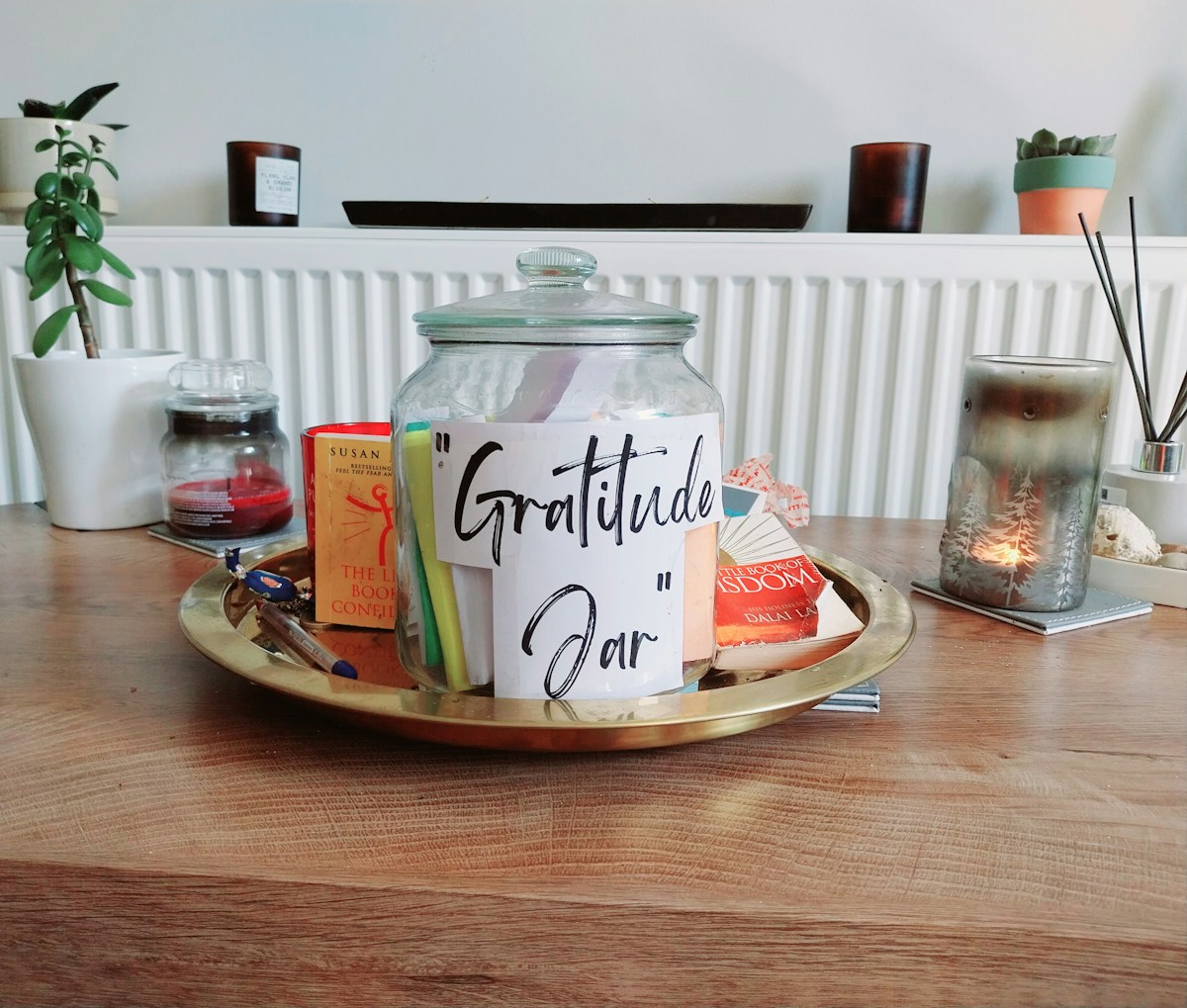
Incorporating gratitude into daily routines can significantly enhance one’s overall well-being and outlook on life. One effective method to cultivate gratitude is through gratitude journaling. Setting aside just ten minutes each day to write down three to five things that one is thankful for can shift focus from negativity to positivity. This practice fosters a deeper awareness of the positive aspects of life, promoting a more resilient mindset.
Mindful reflection is another powerful strategy to embrace gratitude. Taking a few moments each day to reflect on experiences and their accompanying emotions allows individuals to process events more thoroughly and appreciate them. This could be done through meditation or simply pausing during a quiet moment to acknowledge what one is grateful for in a particular situation. This practice can be especially meaningful during challenging times, serving as a reminder of resilience and growth.
To maintain consistency in these gratitude practices, individuals may consider setting reminders or integrating them into existing routines. For instance, one might choose to write in their gratitude journal after breakfast or before bed. Additionally, involving family or friends in gratitude practices can create a supportive environment, enhancing motivation. Starting a gratitude group, whether online or in person, encourages sharing and discussing what one appreciates in life, reinforcing the bonds within the group.
Lastly, incorporating gratitude into one’s language can further solidify these practices. Regularly expressing gratitude to others not only fosters connections but also reinforces the habit of recognizing positivity in life. By embracing these methods, individuals can effectively integrate gratitude into their daily lives, creating a profound impact on their inner experience.
The Transformative Power of Gratitude: Real-Life Stories
Gratitude is more than just a fleeting emotion; it has the profound ability to transform our inner experience and enhance our overall well-being. Numerous individuals have attested to the profound impact gratitude has had on their lives, resulting in significant shifts in their emotional landscapes, relationships, and personal growth.
For instance, Sarah, a former skeptic of gratitude practices, shares her journey of transformation. Struggling with anxiety and self-doubt, she began cultivating gratitude through daily journaling. Initially hesitant, she noted small things, like a warm cup of coffee or a kind word from a colleague. Over time, she realized her perspective shifted; she became more aware of the positivity surrounding her, fostering an enhanced sense of connection and peace. This practice not only improved her mental health but also strengthened her relationships, as she found herself more emotionally present and engaged with those around her.
Similarly, John experienced a remarkable turnaround in his relationships through gratitude. After facing a tumultuous period in his life marked by loss and hardship, he began writing letters of gratitude to friends and family members. This simple action helped him reconnect with his loved ones and mend relationships that had suffered during trying times. John discovered that expressing gratitude opened doors for deeper conversations, leading to emotional healing not only for himself but also for those he reached out to, creating a ripple effect of positivity.
These anecdotes illustrate that the impact of gratitude extends beyond personal feelings; it can reshape how we interact with the world. By embracing gratitude, individuals can initiate profound changes within themselves and enhance their relationships with others. Each story serves as a reminder that incorporating gratitude into our daily lives can lead to more fulfilling experiences and a stronger sense of community.