Understanding Intention: The Power Behind Our Thoughts
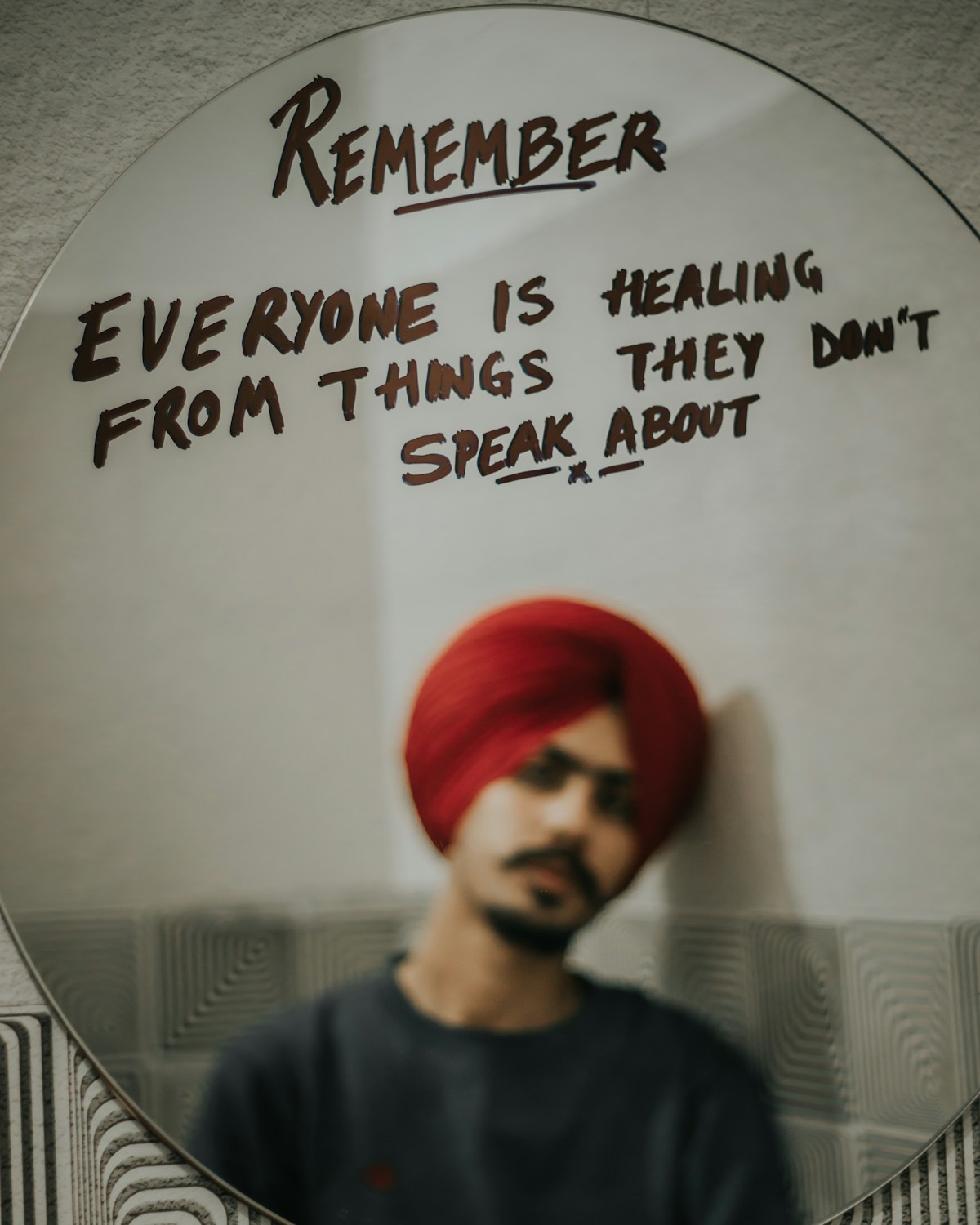
The concept of intention encompasses both psychological and philosophical dimensions, defining it as a mental state that directs our thoughts and actions toward a desired outcome. Whether consciously or subconsciously, intention plays a crucial role in shaping our experiences and interactions with the world. Within the framework of healing, intention becomes particularly significant, as evidenced by various theoretical paradigms including quantum physics and cognitive psychology.
From a psychological standpoint, intention is perceived as a precursor to behavior. It influences our decision-making processes, thereby establishing a pathway for healing. Cognitive psychology suggests that our thoughts can significantly affect our emotions and physiology, reinforcing the idea that the clarity and focus of one’s intention are fundamental in cultivating health and wellness.
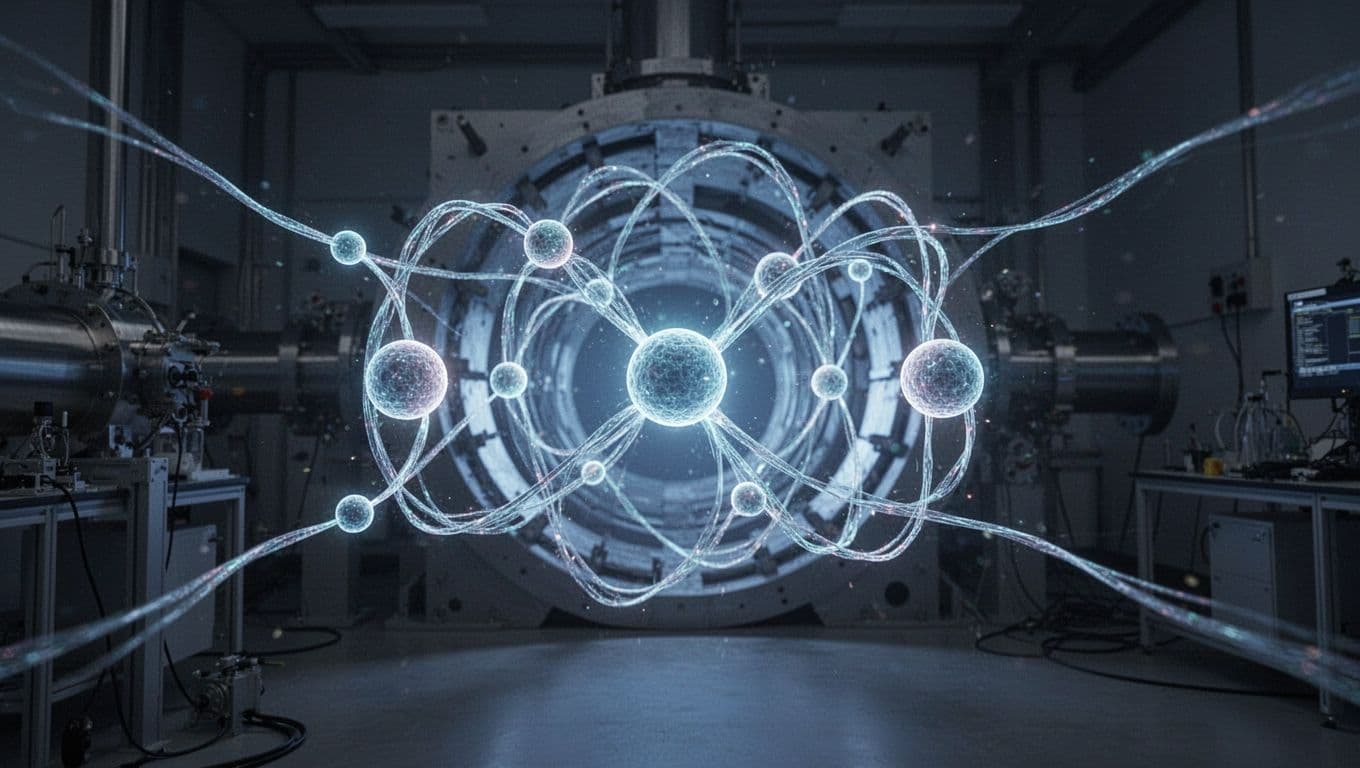
Quantum physics further complements this understanding by proposing that consciousness itself might influence the physical realm. Some interpretations of quantum theory suggest that the act of observation can alter the state of matter, hinting at a deep connection between intention and the fabric of reality. This notion aligns well with practices such as meditation and prayer, where focused intention is believed to bear tangible effects on the individual’s health outcomes.
Real-life applications of intention in healing are myriad. For instance, practitioners of energy healing often emphasize the importance of directing intention towards the client to facilitate healing processes. Similarly, studies on the effects of prayer have indicated that when individuals pray for others, it may lead to improvements in their health, suggesting that the intention behind the prayer can catalyze physical and emotional healing.
Ultimately, understanding the profound implications of intention equips individuals with the ability to harness their thoughts as tools for transformation and healing, bridging the gap between mind and body.
The Role of the Mind-Body Connection in Healing
The mind-body connection is a concept that has gained significant traction in both scientific research and holistic healing practices. It refers to the intricate relationship between our mental states and physical health outcomes. Numerous studies have demonstrated that our emotional and psychological conditions can directly influence physiological processes, affecting overall health and well-being. For instance, stress—often linked to negative mental states—has been shown to lead to a host of physical health issues, including hypertension and weakened immune response.
One of the critical biological mechanisms through which intention and mental states influence health is via the immune system. Evidence suggests that positive thinking and emotional well-being can enhance immune function, thereby improving the body’s ability to fend off illnesses. In contrast, chronic stress can lead to elevated levels of stress hormones such as cortisol, which may suppress immune responses, leaving individuals more susceptible to infections and diseases.
Neurotransmitters play a pivotal role in this connection as well. The brain releases specific neurotransmitters in response to our thoughts and feelings, which can contribute to various health outcomes. For example, endorphins—which are released during positive experiences—can promote feelings of well-being and physical health, while stress-related neurotransmitters may have the opposite effect. Additionally, the placebo effect highlights how belief and expectation can influence our health; when individuals believe in the effectiveness of a treatment, their perceived symptoms may lessen, showcasing the power of the mind.
In understanding the mind-body connection, it becomes evident that healing should not be viewed as a strictly physical process, but rather as a holistic journey that incorporates both mental and physical elements. This perspective underscores the importance of fostering a positive mental environment to support and enhance physical healing, ultimately promoting a more integrated approach to health care.
Case Studies: Intention in Action
Several notable case studies and clinical trials illustrate the transformative potential of intention in the realm of healing. One particularly compelling study involved patients diagnosed with chronic pain conditions. Participants engaged in guided imagery sessions where they focused on envisioning their pain diminishing. The results were remarkable: a significant percentage reported reduced pain levels and improved quality of life. This study highlights how intentional visualization can serve as a powerful adjunct to conventional pain management strategies.
Another important case study examined the effects of intention during surgical procedures. In this trial, one group of surgical patients received distant healing intentions from a group of trained practitioners while another group did not. The outcomes revealed that those receiving the healing intentions experienced shorter recovery times and fewer postoperative complications. This evidence supports the hypothesis that the collective intentions of a healer can influence patient recovery, even when applied from a distance.
Moreover, there have been various mindfulness practices involving intention that have demonstrated significant health improvements. In one study, participants who practiced mindfulness meditation with a focus on compassion and healing intentions reported lower levels of stress and anxiety, alongside improved emotional well-being. This affirms the suggestion that cultivating positive intentions can foster an environment conducive to healing, especially in mental health contexts.
While these case studies present promising data on the efficacy of intention in healing, it is essential to consider critiques and counterarguments. Skeptics often point to the placebo effect as a potential explanation for observed benefits. They argue that the psychological impact of believing in healing intentions may play a larger role than the intentions themselves. Nonetheless, the body of evidence is expanding, warranting further exploration of the nuanced interplay between intention and healing.
Implications for Future Healing Practices and Personal Wellness
The exploration of intention in healing has significant implications for both personal wellness and clinical practices. Individuals seeking to enhance their health can benefit from incorporating intentional practices into their daily routines. One effective method is therapeutic writing, where individuals express their thoughts and feelings on paper. This not only facilitates emotional processing but also fosters a sense of clarity and purpose, allowing individuals to set clear intentions for their healing journey.
Visualization techniques can also be invaluable. By forming mental images of desired outcomes, individuals can boost their motivation and enhance their emotional well-being. This practice encourages a deeper connection with one’s health and can ultimately contribute to more positive health outcomes. Similarly, affirmations can play a critical role; by repeating positive statements about oneself and one’s health, individuals can rewire limiting beliefs and cultivate a mindset that supports healing.
Furthermore, the integration of self-awareness and mindfulness into everyday practices is essential in fostering an intentional mindset. Engaging in mindfulness meditation, for instance, can enhance one’s ability to focus on the present moment and create a conducive environment for healing. Individuals who practice mindfulness often report reduced stress and improved emotional regulation, factors that are critical for overall well-being.
However, as these practices gain recognition, it is crucial to consider the ethical implications and limitations of intention-focused healing approaches. While the power of intention cannot be dismissed, it is vital to ensure that patients are not held solely responsible for their health outcomes. Healthcare practitioners should ethically guide clients in integrating intention into their healing while also acknowledging the scientific limitations and individual variability in responses to intention-based practices.