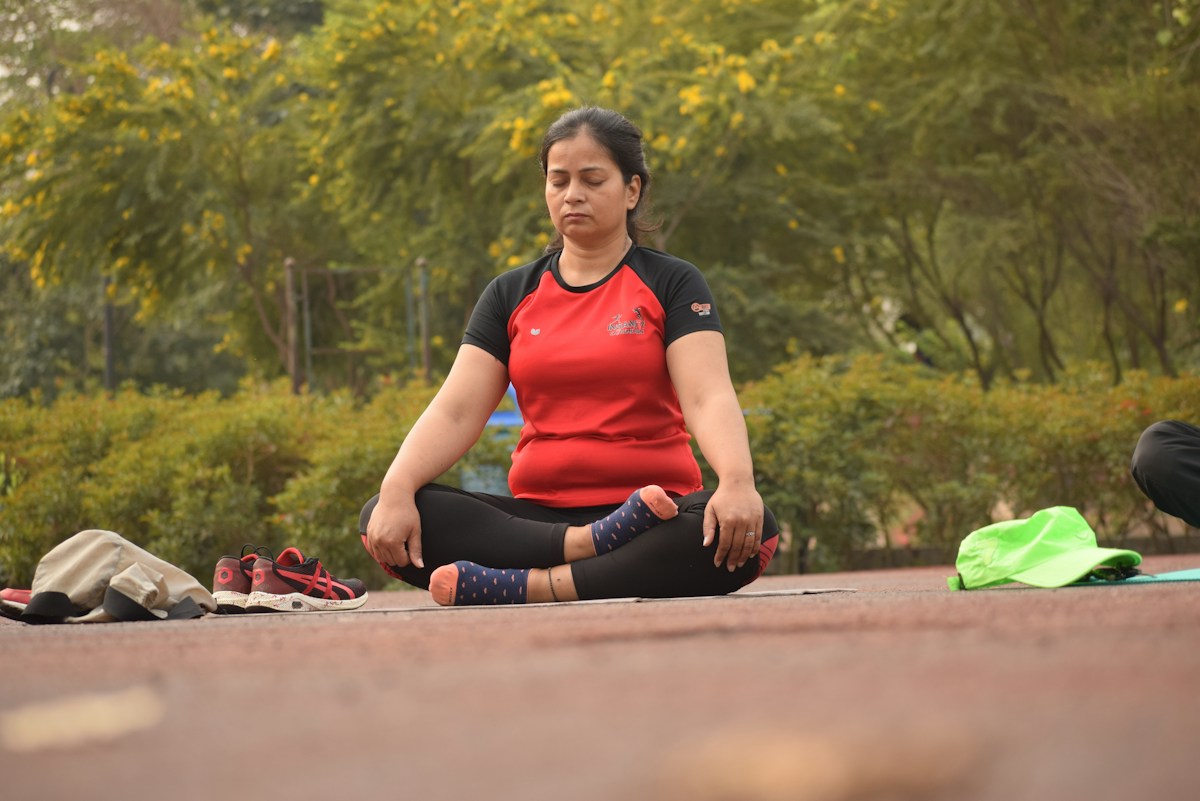
Walking meditation is a form of mindfulness practice that allows individuals to incorporate movement into their meditation routines. Unlike traditional meditation, which often encourages individuals to sit still, walking meditation promotes a dynamic awareness of the body and surroundings, making it especially appealing for those who find it challenging to maintain physical stillness. This approach not only embraces physical movement but also encourages participants to cultivate a meditative state of mind through the act of walking.
The benefits of walking meditation extend wide, encompassing physical, mental, and emotional health. Physically, the rhythmic nature of walking, paired with focused breathing, can enhance cardiovascular health and improve flexibility. Mental benefits include increased focus, reduced anxiety, and an enhanced ability to be present in the moment. The practice encourages a deep connection with the body, translating to emotional benefits such as improved mood and reduced stress levels.
Historically, walking meditation has roots in various cultures and spiritual practices. For example, it is an integral part of Buddhist traditions, where practitioners walk mindfully to cultivate awareness and connection to the earth beneath their feet. In Eastern philosophies, walking as meditation is seen as a way to harmonize the body and mind, bridging the gap between the individual and nature. Similarly, in modern wellness practices, walking meditation has gained attention as a simple yet profound method to integrate mindfulness into daily life.
Through understanding walking meditation, individuals can explore this unique practice as an alternative for meditation that accommodates their lifestyle and preferences. By embracing movement as a pathway to mindfulness, practitioners can experience a more fluid and adaptable approach to achieving tranquility and presence in their lives.
The Benefits of Walking Meditation for Restless Minds
Walking meditation serves as a powerful tool for individuals who find traditional sitting meditation challenging. This practice uniquely merges the act of walking with mindfulness, creating a dynamic way to cultivate awareness in motion. One of the primary benefits of walking meditation is its ability to improve focus. For those with restless minds, moving while being mindful can make it easier to concentrate than sitting still in silence. The rhythmic nature of walking enables the mind to settle while the body remains engaged, thereby fostering a sense of clarity and presence.
Moreover, walking meditation has been shown to significantly reduce anxiety levels. Scientific studies indicate that physical activity can trigger the release of endorphins, the body’s natural mood lifters. Engaging with the environment through sights and sounds while walking adds an additional layer of relaxation, encouraging an individual to let go of stress. Many practitioners report that walking meditation not only alleviates anxiety but also instills a sense of calm that lingers long after the session ends.
Another noteworthy advantage of this practice is its potential to enhance creativity. The act of walking, coupled with mindfulness, encourages divergent thinking by allowing the brain to wander freely. Many famous writers and thinkers have claimed to find inspiration during walks, confirming that movement can stimulate innovative ideas and solutions. Furthermore, walking meditation promotes mindfulness, enabling individuals to become more attuned to their thoughts and surroundings. This heightened awareness can lead to greater emotional intelligence and improved interpersonal relationships.
In summary, walking meditation stands out as an effective alternative to conventional methods, particularly for those who struggle with stillness. By promoting focus, reducing anxiety, enhancing creativity, and cultivating mindfulness, walking meditation offers a holistic approach to achieving mental well-being and self-awareness.
How to Practice Walking Meditation
Walking meditation is a simple yet profound practice that allows individuals to cultivate mindfulness while on the move. This technique is particularly beneficial for those who find it challenging to sit still. Here is a step-by-step guide that will help you integrate walking meditation into your routine.
First, find a suitable environment for your practice. Ideal locations include parks, gardens, or quiet streets where distractions are minimal. The path should be flat and safe, allowing you to focus on your movements and surroundings. Once you have chosen your location, it’s essential to establish proper posture. Stand upright with your feet shoulder-width apart, allowing your arms to hang naturally at your sides or clasp them in front of you.
Next, begin to walk slowly. The pace at which you walk should be comfortable, allowing you to maintain a sense of awareness. A common technique is to synchronize your breath with your steps; for instance, you can inhale for three steps, then exhale for another three. This breathing pattern can enhance your mindfulness during the practice.
As you walk, turn your attention to your body. Notice the sensations of your feet touching the ground and the rhythm of your movements. Acknowledge any thoughts or distractions that arise, but do not engage with them. Instead, gently bring your focus back to your breath and the act of walking. Setting an intention can also enrich your practice; this might be a simple word or phrase such as ‘peace’ or ‘awareness,’ which you can return to whenever your mind wanders.
In summary, walking meditation is a valuable practice for cultivating mindfulness on the move. By selecting the right environment, adopting a mindful posture, coordinating your breath with movement, and managing distractions, you can enhance your walking meditation experience and achieve a deeper state of awareness.
Incorporating Walking Meditation into Daily Life
Walking meditation is an effective way to integrate mindfulness into daily routines, catering especially to individuals who find traditional seated meditation challenging. To begin, consider incorporating walking meditation into your morning rituals. Instead of rushing through the usual morning activities, allocate a few minutes for a mindful walk outside, focusing on each step and the sensations that arise. This practice not only sets a positive tone for the day but also fosters a sense of calm and clarity.
Another practical opportunity lies in using walking meditation as a mid-day break during the workday. Step away from your desk and spend a short period moving in a mindful manner. Engaging in this practice revitalizes the body and mind, enhancing focus and productivity once you return to your tasks. It serves as a refreshing interlude, helping to alleviate stress and re-energizing your mental state.
Combining walking meditation with daily commutes is an additional strategy to reap the benefits of this practice. If you use public transport, consider getting off one stop earlier and walking the remaining distance with mindfulness. Alternatively, if you drive, you may reflect mindfully while navigating the roads. Paying attention to breathing and the surroundings can transform ordinary travels into a meditative experience.
While incorporating walking meditation may seem straightforward, individuals can face challenges such as distractions or lack of time. To stay committed, setting specific intentions and engaging in the practice consistently are crucial. You might also consider joining a walking meditation group or finding a meditation buddy to foster accountability. With these strategies in mind, it becomes easier to integrate walking meditation into your life, allowing for a greater sense of presence and well-being throughout your day.