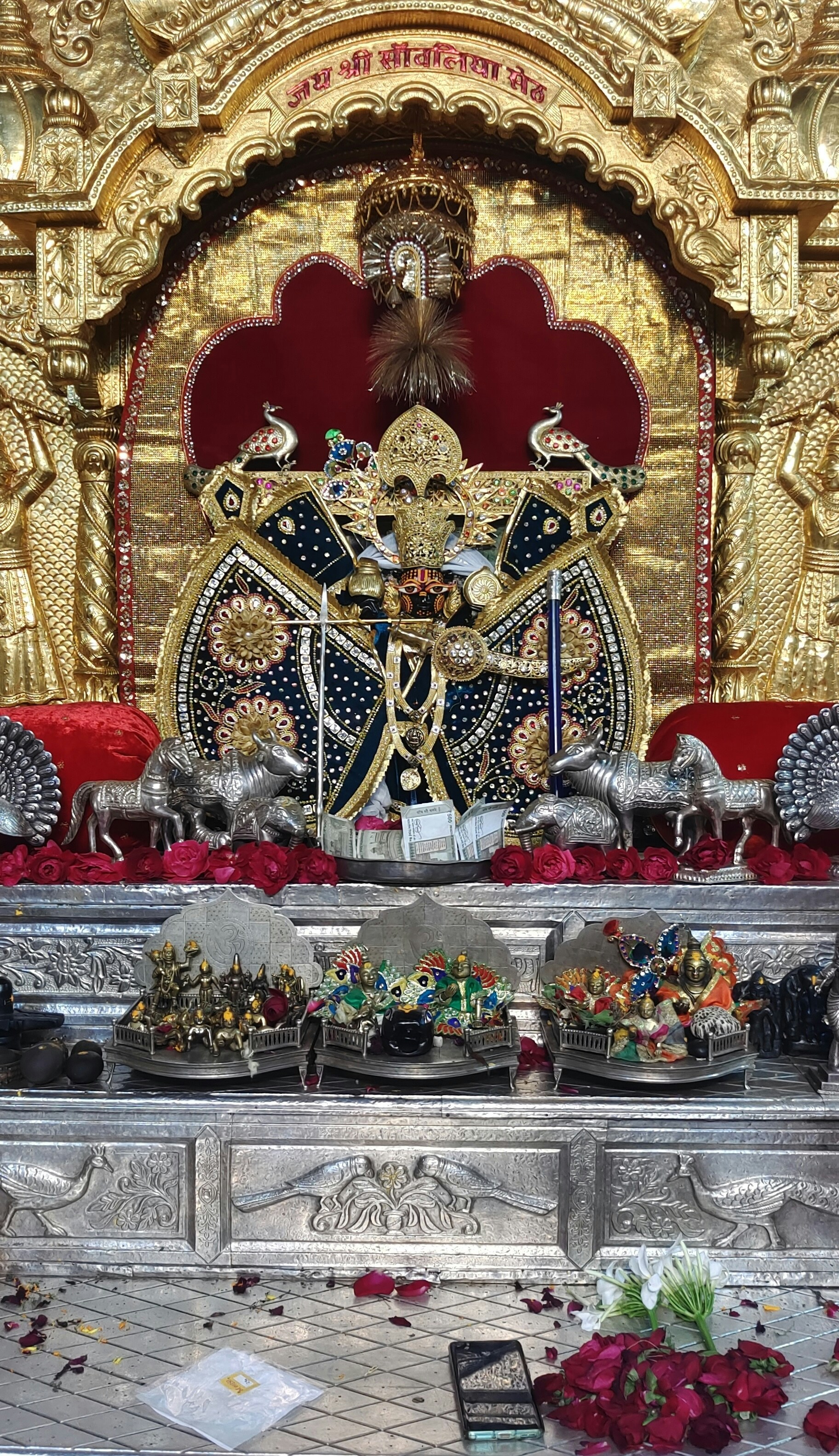
Ancestor altars serve as significant spiritual focal points in various cultures around the globe. They are crafted to honor and connect with the deceased, allowing individuals to express gratitude, reflect on heritage, and seek guidance from their ancestors. The act of creating an altar not only reverberates through personal beliefs but also through communal practices, highlighting the role of ancestors in shaping identities and moral values.
In many indigenous cultures, ancestral altars embody a connection between the living and the deceased. For instance, the tradition of Día de los Muertos in Mexico showcases vibrant altars adorned with photographs, food, and flowers, symbolizing both remembrance and celebration. This practice invites the spirits of the departed to visit, reinforcing their ongoing presence in the lives of their descendants.
Similarly, in various African traditions, ancestor worship plays a vital role in maintaining social cohesion and continuity. Altars, often located in family homes or sacred sites, act as communal areas where families gather to honor their lineage. By performing rituals at these altars, individuals express reverence and seek the wisdom of ancestors, thereby reinforcing cultural values and spiritual beliefs.
Furthermore, in Asian cultures, ancestral altars are common in practices such as Confucianism and Buddhism, where they are integral to honoring familial ties and guiding spiritual practice. Here, altars are meticulously maintained, often embellished with incense, fruits, and flowers, which serve as offerings to invite blessings and luck.
Thus, the significance of ancestor altars transcends mere physical manifestations; they are sacred spaces that cultivate memory, foster connection, and promote gratitude across generations. Through these altars, vibrant legacies continue to thrive, and the relationship between the past and present is enriched.
Essential Elements of an Ancestor Altar
Creating an ancestor altar is an intimate and spiritual process that involves careful consideration of various elements to honor and connect with those who have passed. The first step is selecting a suitable location for the altar. Ideally, this should be a quiet and serene space within your home where you can reflect, meditate, and engage in rituals without interruption. A corner of a room, a small table, or a dedicated shelf can serve as the perfect spot.
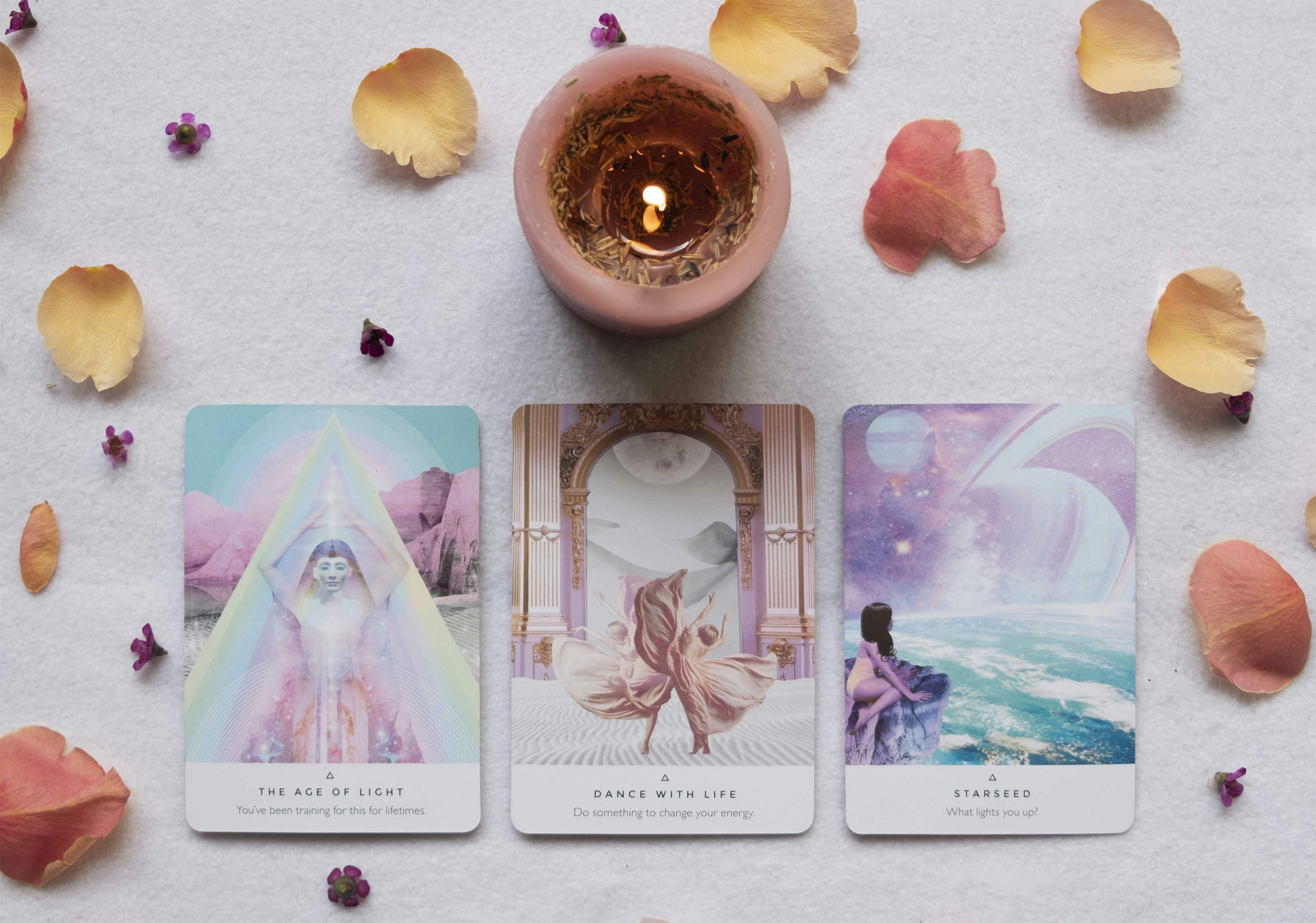
Next, gathering materials is essential to construct a meaningful altar. Common materials include a table or cloth, candles, incense, and photographs of your ancestors. Each element serves a deliberate purpose – for instance, candles represent the light of the spirit, while incense symbolizes the connection between the physical and spiritual realms. Additionally, you may want to include personal items that were cherished by your ancestors, such as heirlooms, jewelry, or mementos, which can foster a deeper connection to their lives and histories.
Symbolism plays a significant role in the altar’s composition. Offering food and drink, such as fruits, flowers, or favorite dishes of the ancestors, is also a common practice. These offerings express gratitude and create a nurturing environment for the spirits to feel welcome. Furthermore, incorporating elements such as crystals or sacred symbols can amplify the spiritual energy within the space. Each item chosen should resonate with you and reflect your lineage, establishing a bridge between the past and the present.
By thoughtfully selecting the components of your ancestor altar, you create a sacred space that honors your heritage and invites the presence of your ancestors into your life. This personal reflection allows for a greater understanding and appreciation of the sacrifices and histories that shape your family lineage.
Step-by-Step Guide to Creating Your Own Altar
Creating an ancestral altar is a deeply personal journey that allows individuals to honor the legacy of their ancestors. To initiate this process, start with conceptualization, where you reflect on what the altar means to you and the purpose it will serve. Consider the cultural beliefs that resonate with you; whether it aligns with specific traditions or is a fusion of various influences, establishing this foundation is crucial.
Once your vision is clear, select a suitable location in your home. This space should be quiet and preferably free from distractions, as the altar serves as a sacred area for remembrance and connection. Next, gather materials that symbolize your heritage and personal beliefs. Items may include photographs, candles, flowers, food offerings, or spiritual symbols that resonate with your cultural background.
The layout of your altar can reflect your personal style. A common approach is to arrange items in a manner that feels harmonious. If you choose to incorporate a certain theme, ensure that it embodies respect and clarity. Some individuals find that including natural elements, such as crystals or plants, can enhance the spiritual energy of the space.
During the setup, you may encounter challenges, such as uncertainty about what to include or how to arrange items meaningfully. In these instances, trust your intuition and allow your personal connection to guide you. Remember that there are no strict rules, and your altar should be a unique representation of your heritage and personal history.
Finally, once your altar is assembled, take time to acknowledge the space. Consider incorporating rituals or meditative practices that resonate with you, allowing you to deepen your spiritual connection with your ancestors. This step-by-step approach ensures that anyone, regardless of experience, can create a meaningful ancestral altar.
Preserving and Maintaining Your Ancestor Altar
To ensure that your ancestor altar remains vibrant and meaningful over time, it is essential to engage in regular upkeep rituals. These practices not only maintain the physical aspects of the altar but also deepen your spiritual connection to your ancestors. Keeping the altar clean and orderly can signify respect and honor to those who have passed. Therefore, it is good practice to dust the surface, replace broken items, and realign photographs or ancestral symbols that may have been moved.
Another key aspect of maintaining an altar is the refreshing of offerings. Depending on cultural customs or personal preference, offerings such as food, flowers, or incense can be renewed on a regular basis. Fresh offerings not only demonstrate your ongoing commitment to ancestor veneration but also evoke the spiritual presence and energy of your ancestors in your home. Additionally, it is beneficial to reflect on your intentions when making offerings, as this can enhance the sacred ritual further.
Furthermore, seasonal changes present a unique opportunity to update your altar displays. Certain seasons or festivals may have specific associations with particular ancestors, allowing for new decorations and offerings that resonate with historical or familial traditions. By aligning your altar with the cycles of nature, you create an engaging living space that mirrors the dynamic aspects of life and honor your family’s heritage.
Maintaining your ancestor altar as a practice fosters ongoing engagement with the past, promoting personal reflection and encouraging communal activities with family. Gatherings around the altar can serve as a time to share stories, remember those who have passed, or partake in ceremonies that celebrate your cultural lineage. Overall, preserving and maintaining your ancestor altar is not just about upkeep; it is a vital aspect of honoring your heritage and keeping family connections alive.