Chakras are energy centers within the human body that play a vital role in the overall well-being of individuals. The term “chakra” originates from the Sanskrit word for “wheel,” signifying their circular, rotating nature. There are seven main chakras, each associated with specific physical, emotional, and spiritual aspects of life, thus forming a crucial component of holistic health.
The seven primary chakras include the Root Chakra, located at the base of the spine, which establishes a sense of security and grounding. The Sacral Chakra, situated in the lower abdomen, governs creativity and relationships. The Solar Plexus Chakra, found in the upper abdomen, relates to personal power and self-esteem. In the center of the chest lies the Heart Chakra, which symbolizes love and compassion. The Throat Chakra, located in the throat area, facilitates communication and self-expression. The Third Eye Chakra, placed between the eyebrows, is linked to intuition and perception. Lastly, the Crown Chakra, at the top of the head, connects individuals to higher consciousness.
Each chakra is believed to influence physiological and emotional functions, with a well-balanced chakra system promoting harmony and vitality. Conversely, imbalances may lead to emotional distress, physical ailments, or spiritual disconnection. For instance, an underactive Heart Chakra might result in difficulty forming relationships, while an overactive Throat Chakra could cause domineering communication habits.
Maintaining a balanced chakra system is essential for leading a fulfilling and healthy life. Regular practices such as meditation, yoga, and energy healing can help restore chakra balance, fostering a harmonious state of mind and body. By understanding the significance of each chakra and their interconnections, individuals can take proactive steps toward enhancing their overall physical, emotional, and spiritual well-being.
Common Signs of Chakra Imbalance
Chakras, the energy centers of the body, can become imbalanced due to a variety of factors, leading to both physical and emotional disturbances. Each chakra, from the root to the crown, is associated with specific functions and symptoms that may indicate an imbalance. Understanding these signs is crucial for identifying which areas of one’s life require attention and healing.
The root chakra, located at the base of the spine, is linked to survival and grounding. Signs of imbalance in this chakra may manifest as feelings of insecurity, financial instability, or physical issues such as lower back pain. Emotional symptoms include anxiety and a sense of disconnection from the world.
Moving up, the sacral chakra governs creativity and relationships. Imbalance here can lead to sexual dysfunction, emotional instability, or issues with intimacy. Individuals may experience guilt or fear around issues of pleasure and connections with others.
Next is the solar plexus chakra, which is the center of personal power and confidence. Imbalance may present as low self-esteem, controlling behavior, or digestive problems. People might feel overwhelmed by emotions or struggle with decision-making.
The heart chakra plays a pivotal role in love and compassion. An imbalance can result in feelings of loneliness, jealousy, or loss of self-love. Physical symptoms may include heart-related issues or respiratory problems.
For the throat chakra, associated with communication, signs of imbalance include difficulty expressing thoughts, persistent sore throat, or issues like anxiety regarding public speaking.
The third eye chakra, tied to intuition and perception, may show signs of imbalance through confusion, lack of clarity in thoughts, or headaches. Individuals might feel disconnected from their intuition.
Finally, the crown chakra, which connects to spiritual awareness, may present symptoms such as disconnection from spirituality, depression, or chronic fatigue. Awareness of these signs is crucial for individuals seeking to restore their chakra balance effectively.
Simple Practices to Restore Chakra Balance
Maintaining a balanced chakra system is crucial for overall well-being. Here are several practical techniques you can easily incorporate into your daily routine to restore and uphold your chakra balance.
Meditation is one of the most effective practices for chakra balancing. To start, find a quiet space where you can sit comfortably without distractions. Close your eyes, take deep breaths, and focus on each chakra in sequence from the root to the crown. Visualizing each chakra’s color can enhance your meditation experience. Aim to spend a few minutes each day on this practice, gradually increasing the duration as you become more comfortable.
Yoga is another excellent way to support chakra energy flow. Specific postures can correspond to different chakras; for instance, rooted poses like Mountain Pose can help stabilize the root chakra, while shoulder openers can enhance heart chakra energy. Joining a local yoga class or following online tutorials can provide guidance and variety in your practice.
Breathwork techniques such as pranayama, or yogic breathing, are also powerful tools for chakra balancing. For daily practice, try the Nadi Shodhana technique, where you alternate breathing through each nostril. This method not only calms the mind but also harmonizes the energy channels within the body.
Moreover, consider incorporating crystals and essential oils into your routine. Each chakra has associated stones and scents that can amplify its energy. For example, amethyst is linked to the crown chakra, while lavender essential oil can soothe the throat chakra. By carrying crystals or diffusing essential oils, you help to maintain your chakra equilibrium throughout the day.
Integrating these simple practices into your daily routine can lead to lasting benefits. Whether it’s through meditation, yoga, breathwork, or the use of crystals and essential oils, each practice contributes to a harmonious chakra system. Consistency is key, so find a routine that works for you and cultivate it over time for optimal results.
Establishing a personalized chakra balancing routine requires careful consideration of your current state of wellness and the specific practices that resonate with you. Start by assessing your emotional, physical, and spiritual health. This self-assessment allows you to identify any imbalances that may be affecting your overall well-being. Take note of how you feel—whether you often experience stress, fatigue, or emotional unrest—these indicators will guide you in tailoring your chakra practices.
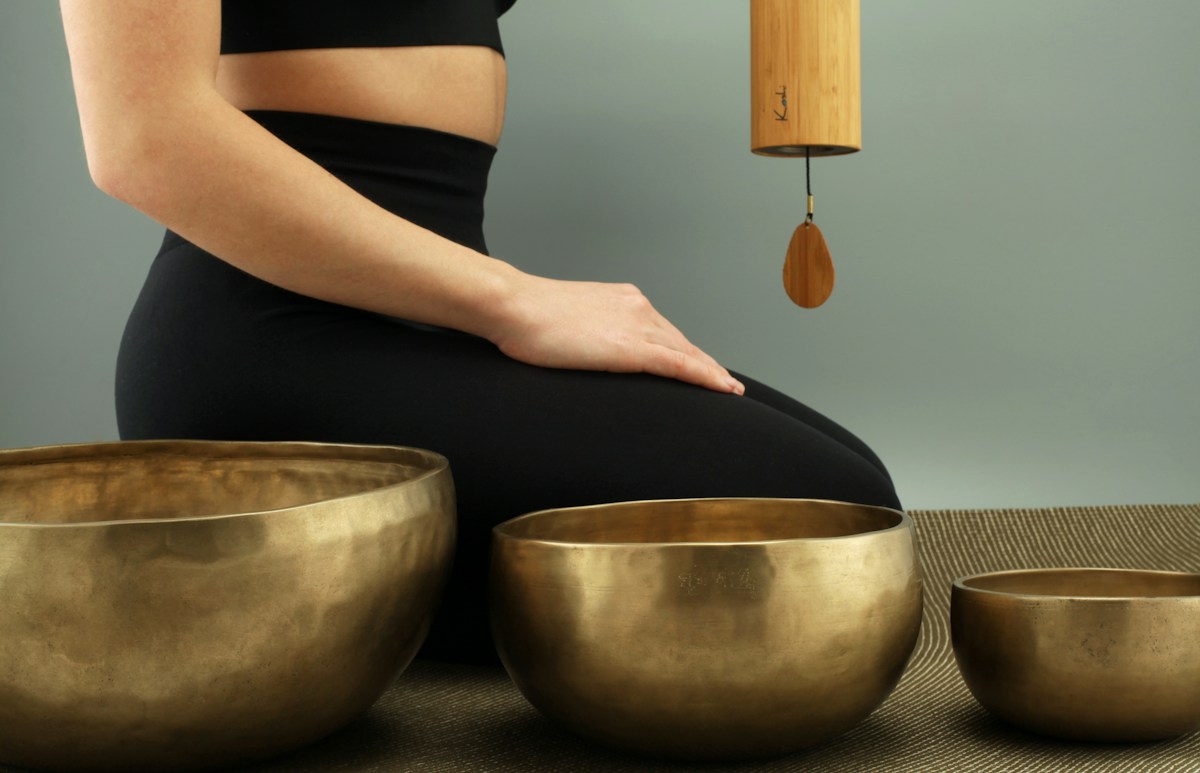
Once you have a clear understanding of your wellness state, the next step is to select appropriate practices that align with your needs. The previous section outlined various techniques such as meditation, yoga, crystal healing, and sound therapy. Choose a combination of practices that feels comfortable and enjoyable. For instance, if you find solace in nature, consider incorporating outdoor meditative walks. Alternatively, if music elevates your mood, try sound healing with specific frequencies that align with your chakra centers.
It is crucial to set achievable goals as part of your routine. Create a balanced schedule that allows you to engage with these practices regularly without overwhelming yourself. Consistency is key; integrating chakra balancing techniques into your daily life will contribute greatly to your overall harmony. Periodically reflecting on your journey will also aid in recognizing your progress and areas where adjustments may be necessary. Maintain a journal to document your experiences and feelings. This reflection fosters a deeper understanding of what works best for you and encourages continued growth.
By committing to this personalized routine, you empower yourself towards achieving a balanced chakra system. Adaptability and patience will be your allies as you navigate your path to wellness, ensuring that your journey is as supportive as it is transformative.