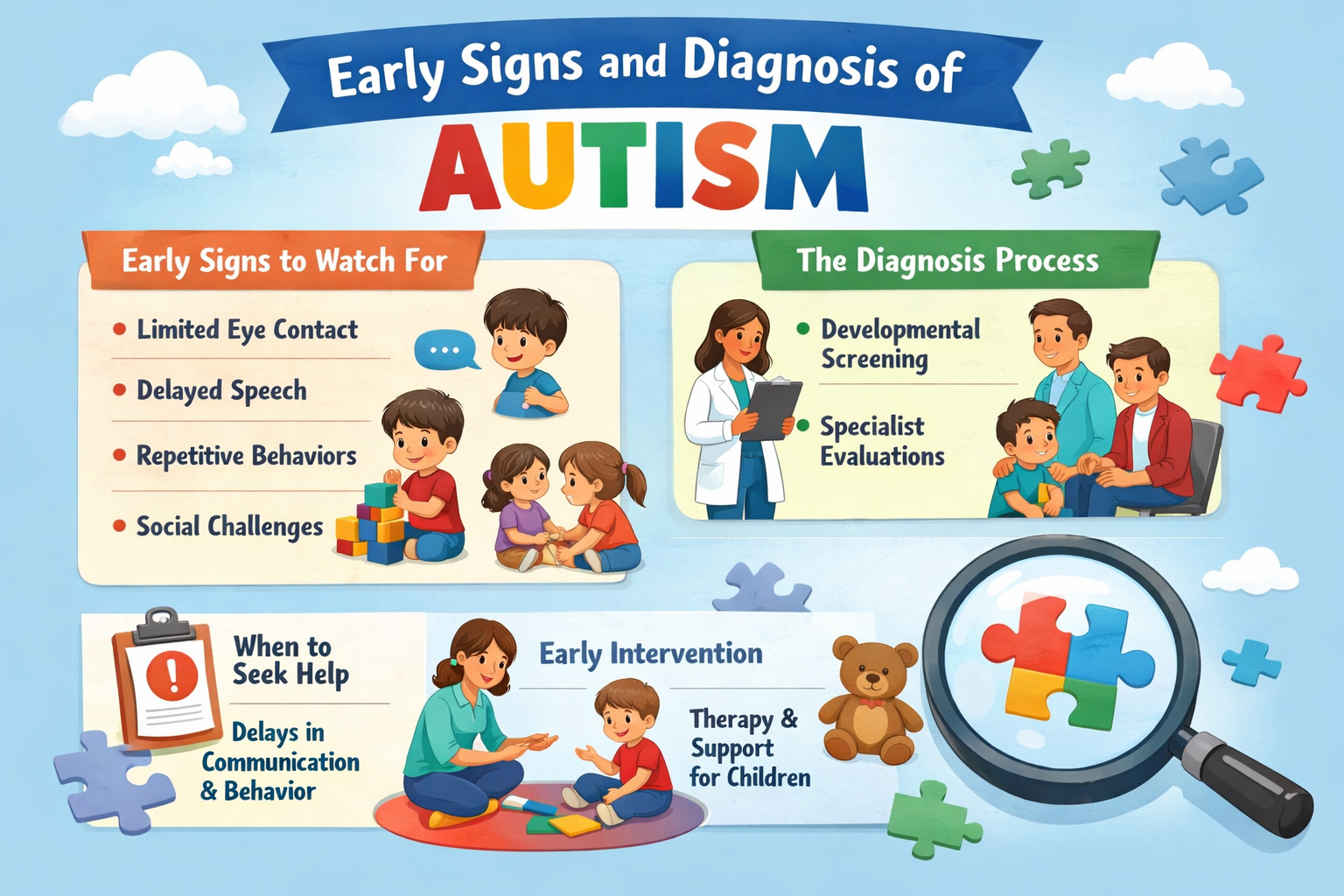
Autism Spectrum Disorder (ASD) is a complex neurodevelopmental condition that manifests early in childhood and is characterized by a range of challenges related to communication, social interaction, and behavior. The term “spectrum” reflects the wide variety of symptoms and severity levels experienced by individuals with ASD. These symptoms can differ significantly from one person to another, ranging from mild impairments to more severe challenges. Children with ASD may exhibit difficulties in expressing themselves verbally or non-verbally, leading to challenges in social settings.
Typically, symptoms of Autism Spectrum Disorder begin to surface by the age of three. Some common characteristics include restricted interests, repetitive behaviors, and a preference for routines. Children may engage in specific, focused activities for extended periods while exhibiting disinterest in social play or interaction with peers. Additionally, many children on the spectrum have unique sensory sensitivities, leading them to react strongly to certain sounds, lights, or textures.
The development of ASD is thought to arise from a combination of genetic and environmental factors, although the exact causes remain under investigation. Importantly, the diagnosis of Autism Spectrum Disorder is based on observed behaviors and developmental history rather than any singular medical test. As such, identification and evaluation are crucial in facilitating earlier interventions.
Given the diverse nature of Autism Spectrum Disorder, care providers typically tailor treatment plans to meet the individual needs of each child, employing a multidisciplinary approach. This can include behavioral therapies, speech therapy, and support for developing social skills. Early intervention plays a vital role in improving outcomes and helping children navigate the complexities associated with ASD.
Challenges and Strengths of Children with Autism
Children diagnosed with Autism Spectrum Disorder (ASD) often face a myriad of challenges that can significantly affect their daily lives. A prominent difficulty lies in social communication and interaction. Many children on the autism spectrum find it challenging to interpret social cues such as facial expressions, tone of voice, and body language. These misunderstandings can lead to awkward or confusing interactions. For instance, during playtime, a child with autism may not understand the unwritten rules of sharing or taking turns, which can result in frustration for both themselves and their peers.
This difficulty in navigating social situations can also lead to feelings of isolation, as children may withdraw from opportunities to engage with others. Public places, such as schools or playgrounds, can become overwhelming environments due to the sensory sensitivities that many children with autism experience. Noisy sounds, bright lights, and bustling crowds can cause significant anxiety, further complicating their ability to connect with other children.
Despite these challenges, it is crucial to recognize the unique strengths that many children with autism possess. Numerous children on the spectrum demonstrate exceptional skills in specific areas such as mathematics, music, art, or computer programming. These children often exhibit intense focus on their interests, leading to a depth of knowledge that can be both impressive and valuable. For example, a child might display remarkable expertise or creativity in building complex structures, demonstrating that while they may struggle in social settings, they excel in areas that tap into their inherent talents.
Understanding both the challenges and strengths of children with autism is vital for fostering inclusive environments that allow these individuals to thrive. By addressing their social communication difficulties while simultaneously celebrating their unique abilities, caregivers and educators can help children on the spectrum reach their full potential.
Supporting children with Autism Spectrum Disorder (ASD) requires tailored approaches that cater to each child’s unique needs. One effective strategy is the development of Individualized Education Programs (IEPs). These structured plans are designed collaboratively by educators and parents to ensure that a child receives personalized support in the school environment. IEPs contain specific goals and accommodations that can help improve a child’s learning experience, ensuring that they can thrive academically and socially.
In addition to formal education strategies, therapies like speech and occupational therapy can play a pivotal role in supporting children with autism. Speech therapy focuses on improving communication skills, which can be particularly beneficial for children who have difficulties in verbal communication. Meanwhile, occupational therapy aims to develop skills for daily living, helping children increase their independence and functionality in various settings.
At home, parents and caregivers can establish a structured environment that fosters comfort and security. Consistent routines are vital, as they provide predictability, which can help children with autism manage anxiety and improve their overall well-being. Patience is also crucial in supporting children—understanding that progress may take time and allowing children the space to learn at their own pace is fundamental.
Positive reinforcement serves as a powerful tool in motivating children with autism. Celebrating successes, no matter how small, helps build self-esteem and encourages desired behaviors. Additionally, integrating specific resources such as an autism sensory toys set can provide considerable benefits. These toys are specifically designed to aid focus, enhance sensory integration, and help calm children during overwhelming moments, thereby facilitating a conducive atmosphere for both learning and play.
Moving Forward
The journey of understanding and supporting children with Autism Spectrum Disorder (ASD) extends beyond diagnosis. Advocacy plays a crucial role in ensuring that children receive the necessary tools and resources for success. Parents are often the first advocates for their children, and fostering collaboration with schools and communities can lead to positive outcomes. Engaging with educators to develop an Individualized Education Plan (IEP) is essential, as it allows for tailored instruction and services that meet the unique needs of each child. Additionally, cultivating a network with support groups can provide invaluable insights and resources.
Promoting growth and independence in children with autism involves instilling essential life skills that contribute to self-sufficiency. Encouragement in daily routines, such as personal hygiene and time management, can empower children, helping them navigate their environment with confidence. Parents can adopt a strengths-based approach, focusing on the child’s interests to enhance motivation. Activities that align with a child’s strengths can be profound, serving as mediums for learning and personal development.
Moreover, fostering social skills is another area of emphasis. Organized playdates or group activities can facilitate interaction with peers, enhancing communication skills and relationships. Parents can support these efforts by modeling appropriate social behaviors and encouraging their children to engage in conversations and collaborative tasks. As children with autism experience support in these areas, they are more likely to develop crucial skills that contribute to their overall ability to function independently.
In order to make lasting impacts in the lives of children with ASD, it is imperative to approach their journey with optimism and resilience. By actively participating in advocacy and promoting essential skills, parents are not only enhancing their children’s current experience but also paving the way for a more independent and fulfilling future.