Autism Spectrum Disorder (ASD) is a complex neurodevelopmental condition characterized by varying degrees of challenges in social interaction, communication, and the presence of repetitive behaviors or restricted interests. The term “spectrum” refers to the wide range of symptoms and abilities presented by affected individuals, which can vary significantly from one person to another. This diversity underscores the necessity for a comprehensive understanding of autism, particularly concerning the early signs and their recognition.
Identifying early signs of autism is essential, as research indicates that timely intervention can lead to improved developmental outcomes for children. Early diagnosis enables access to appropriate services and support, ultimately fostering better communication skills, social interactions, and adaptive behavior. Studies show that the earlier a child receives support tailored to their specific needs associated with autism, the greater the likelihood of achieving positive developmental milestones.
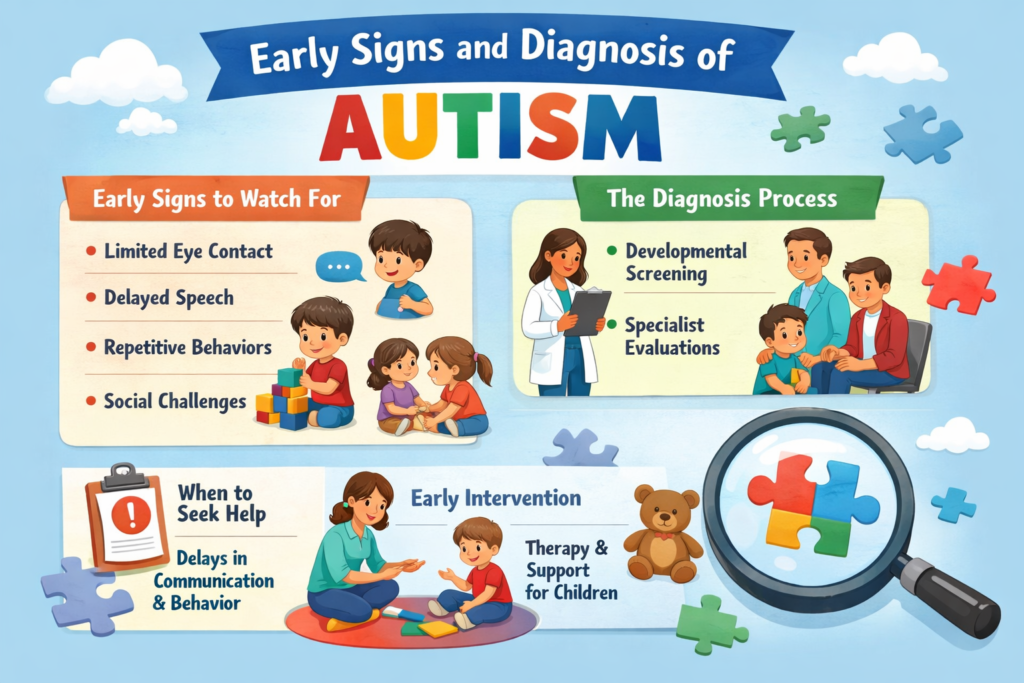
Awareness among parents and caregivers is pivotal for facilitating early detection of autism. Many individuals may not be familiar with the subtleties of autism symptoms during the early developmental stages. It is crucial for parents to monitor their child’s progress, including social engagement, communication abilities, and behavior patterns. Signs such as limited eye contact, delayed speech, or atypical play can signal the need for further evaluation. Involving healthcare professionals at the onset of concerns allows for a systematic approach to assessment and, if necessary, the implementation of early intervention strategies.
In conclusion, understanding the early signs of autism is vital for parents, as it enables timely action that can significantly influence their child’s developmental trajectory. By fostering awareness and remaining vigilant, families can better navigate the potential challenges of autism and ensure their child receives the support they need.
Common Early Signs Parents Should Watch For
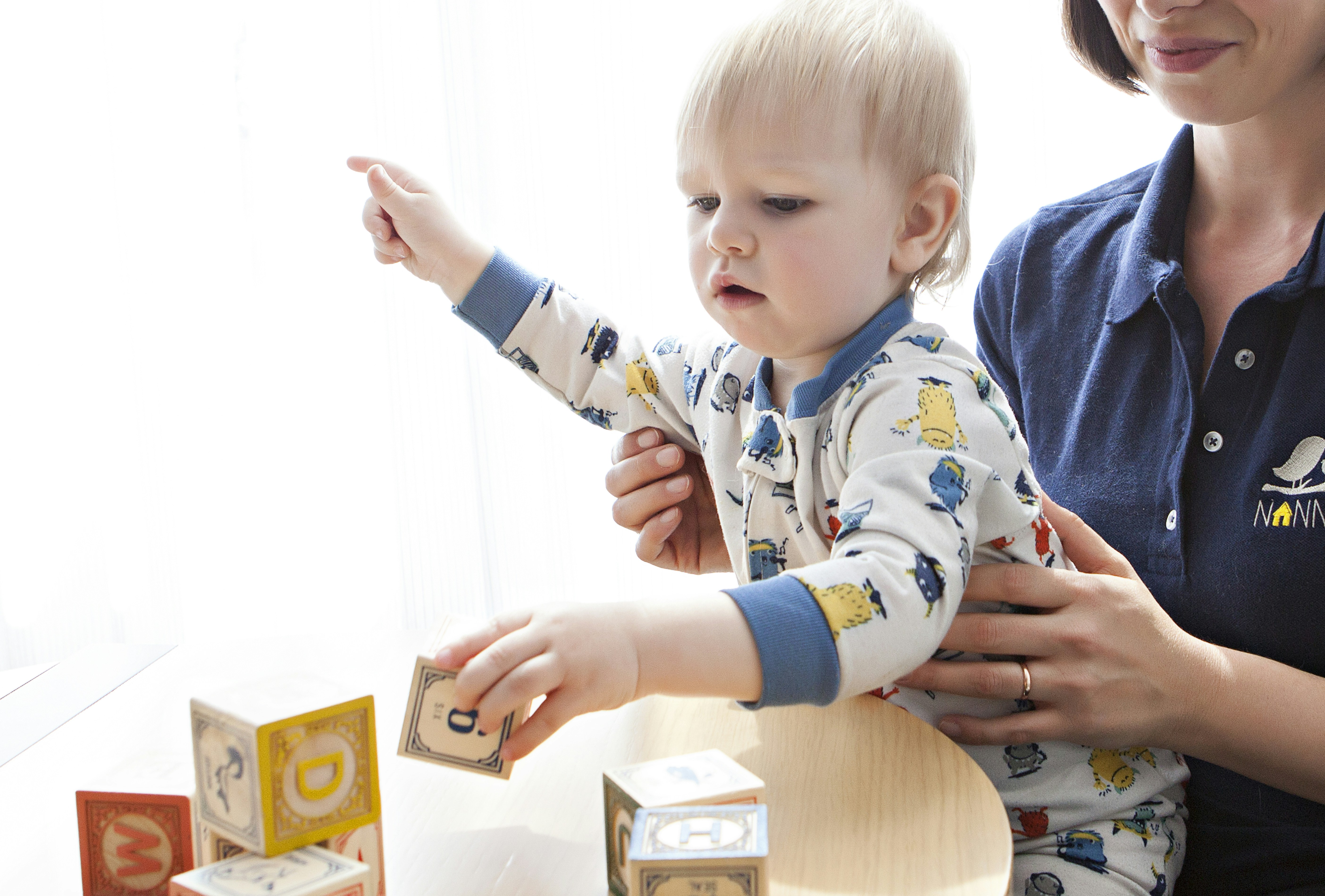
Identifying the early signs of autism spectrum disorder (ASD) can be challenging for parents, given the spectrum’s range of manifestations. Awareness of these signs is crucial for timely intervention. One significant area to observe is social communication. Toddlers may demonstrate delays in developing the ability to engage in basic social interactions. This can include a noticeable lack of gestures, such as pointing or waving, which are pivotal for effective communication. Additionally, many children with autism may show limited interest in sharing experiences or activities with others, often resulting in a solitary play style.
Another set of indicators relates to repetitive behaviors and sensory sensitivities. These manifestations can begin as early as infancy. A child may engage in repetitive movements, such as hand-flapping or rocking, which can serve as a self-soothing mechanism. Moreover, extreme responses to sensory inputs—whether sounds, textures, or visual stimuli—are also common. Children might become upset by certain noises that others find tolerable or exhibit aversion to particular fabrics or foods.
Language development is another crucial aspect where delays may be present. Parents should be cautious if their toddler experiences delayed speech combined with restricted eye contact. A lack of verbal communication skills might coincide with fewer social interactions and an inability to respond to their name being called, which can be a clear signal for further evaluation.
Recognizing these early signs can empower parents to seek timely diagnostic assessments, paving the way for early intervention strategies that can significantly enhance development outcomes for children on the autism spectrum.
Understanding the Distinction Between Normal Development and Autism Signs
As parents observe their child’s growth, it is essential to recognize the key developmental milestones typical of infants and toddlers. Development varies significantly among children, with some showing advancements at different rates. Generally, by the age of 1, children begin to imitate simple actions and gestures, while by 2, they often exhibit a broadening range of single words and simple two-word phrases. These milestones serve as critical benchmarks for evaluating progress and establishing whether a child’s development aligns with expected norms.
One important aspect of child development is the significance of social interactions and play. Typical children usually engage in interactive play, demonstrating shared enjoyment and interest in activities. Conversely, children on the autism spectrum may exhibit atypical play patterns. For instance, instead of engaging in imaginative play, they may focus on specific objects or display rigid interests in certain activities, which could indicate the presence of autism.
Behavior patterns are another crucial factor to monitor. While many children may experience bouts of shyness or reluctance in unfamiliar social settings, those exhibiting signs of autism may consistently struggle with eye contact, exhibit delayed responses, or respond inappropriately to social cues. These behaviors could indicate the necessity for further evaluation. Furthermore, while many children might experience varying degrees of communication difficulties, signs that persist beyond typical developmental stages warrant attention.
Through careful observation of these developmental distinctions, parents can equip themselves with the knowledge necessary to differentiate between typical variations in child development and potential signs of autism. Ultimately, fostering an understanding of both typical and atypical behaviors enhances the ability of parents to seek timely support and resources when necessary.
When to Seek a Professional Autism Evaluation
Recognizing the early signs of autism is crucial for timely intervention, which can significantly enhance a child’s development. Parents play a vital role in observing their child’s behavior and interactions. If there are concerns about developmental delays or atypical behaviors, it is important to consider seeking a professional autism evaluation.
There are several indicators that may prompt parents to pursue an evaluation. These can include a lack of eye contact, limited engagement in social interactions, delayed speech and language skills, and repetitive behaviors or interests that are significantly intense or restricted. Additionally, if a child is not responding to their name by the age of 12 months, or if they exhibit a disinterest in sharing experiences or emotions with others before reaching two years of age, these can be critical signs that warrant further investigation.
In the journey to seek a diagnosis, it is essential to consult with qualified professionals. Typically, a comprehensive evaluation can be conducted by a pediatrician, child psychologist, neuropsychologist, or psychiatrist who specializes in developmental disorders. These experts utilize standardized testing and a thorough review of the child’s developmental history to assess potential autism spectrum disorder (ASD). Collaboration with school psychologists or speech therapists may also provide valuable insights into the child’s behavior and development.
Ultimately, taking action sooner rather than later can lead to effective support and resources that will greatly assist both the child and their family. Parents are encouraged to trust their instincts regarding their child’s development and seek evaluation if there are concerns. Early diagnosis and intervention strategies can result in better outcomes, enhancing the child’s quality of life.
Understanding the Autism Diagnosis Process
The autism diagnosis process is an intricate and multi-faceted procedure, designed to ensure that individuals are accurately assessed and supported. The journey often begins with developmental screenings, which are typically conducted during routine pediatric visits. These screenings involve structured questionnaires and tools aimed at evaluating the child’s developmental milestones, social skills, and communication abilities. Parents may be prompted to fill out standardized forms that gauge their child’s behavior in various situations, which aids healthcare providers in identifying potential concerns related to autism spectrum disorder (ASD).
Once the initial screening indicates a possibility of autism, a more comprehensive evaluation is generally initiated. This may include a thorough review of the child’s medical history, along with a detailed assessment of their behavior and interactions. Clinicians often take a collaborative approach during this stage, engaging with parents, caregivers, and teachers to gather insights into the child’s everyday functioning across different environments.
Behavioral observations are critical components of the diagnostic process. Professionals observe the child’s interactions, play behaviors, and responses to social cues, which provides important evidence in understanding the child’s developmental profile. In addition to observations, standardized diagnostic tools like the Autism Diagnostic Observation Schedule (ADOS) and the Autism Diagnostic Interview-Revised (ADI-R) may be utilized. These tools are specifically designed to assess the symptoms of autism in a structured manner, helping clinicians make informed decisions regarding the diagnosis.
Through these steps, the goal remains clear: to accurately diagnose autism while alleviating any uncertainties that parents may feel during this challenging period. By understanding the structured nature of the assessment process, parents can become more informed advocates for their child’s needs and better prepare for the next steps in securing resources and support appropriate for their child.
Early Support and Intervention After Diagnosis
After a diagnosis of autism, early support and intervention play a crucial role in shaping the developmental trajectory of a child. Early intervention programs are designed to enhance cognitive, social, and emotional skills, allowing children to thrive in various settings, including home, school, and social environments. These interventions can prove beneficial in addressing challenges related to communication and behavioral challenges, ultimately fostering a more positive developmental outlook.
Various types of therapies and educational supports are available for children diagnosed with autism. Applied Behavior Analysis (ABA) is one of the most widely used intervention strategies. ABA focuses on reinforcing desired behaviors while reducing problematic ones, making it an effective method in improving communication and adaptive skills. Speech therapy is another critical service that targets language development, helping children express their needs and navigate social interactions more effectively.
In addition to therapy, educational resources tailored for children with autism can greatly enhance learning experiences. Individualized Education Programs (IEPs) are designed to accommodate each child’s unique learning requirements, ensuring access to necessary resources and support within educational settings. Parents should collaborate with educators to develop and sustain an IEP that reflects their child’s strengths and challenges.
Following a diagnosis, parents are encouraged to take proactive steps in securing appropriate interventions. This includes engaging with healthcare professionals, therapists, and educators to create a comprehensive support plan. Additionally, networking with local autism support organizations can provide parents with valuable resources and guidance, enabling them to advocate effectively for their child. By understanding the available interventions and taking timely action, parents can significantly improve their child’s quality of life and developmental outcomes.