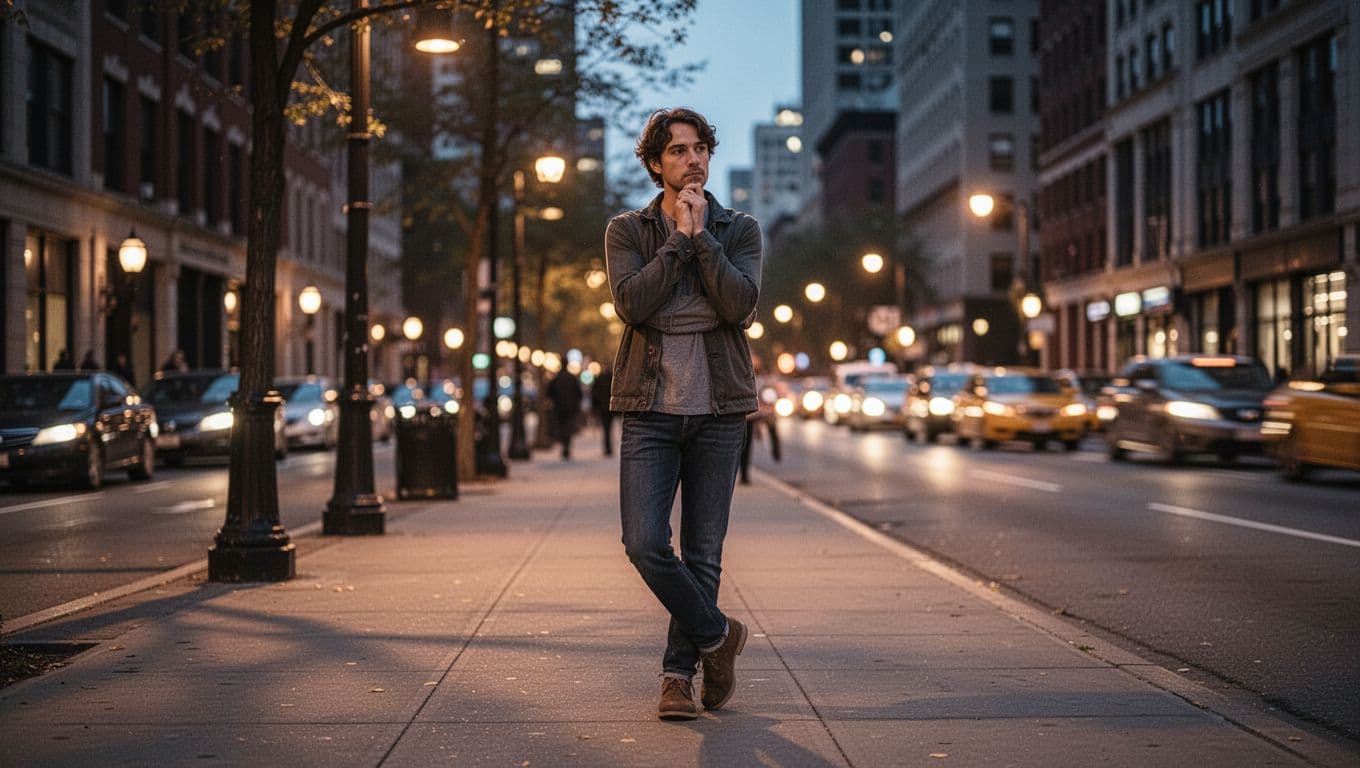
You walk into a room, hear a voice, and freeze for a beat. The light on the wall, the smell in the air, even the next few seconds feel oddly known, as if life has looped back on itself.
That flash is deja vu, the sudden sense that this moment has happened before. For some people, it feels like a harmless brain hiccup. For others, it feels personal, almost sacred. Both science and spiritual traditions offer answers, and neither has erased the mystery from the feeling itself.
The strange part is not only that it happens. It is how quickly it grabs you, then disappears.
What deja vu is, and why it feels so intense
Deja vu means “already seen.” In plain English, it is the sudden feeling that a new moment is somehow familiar. You know you have not lived this exact scene before, yet part of you insists that you have.
Because of that split, the experience can feel eerie. Your mind says “new,” while your body says “known.” That mismatch creates a jolt. Some people feel calm during it. Others feel shaken, emotional, or briefly pulled out of the moment.
Most of the time, deja vu is common and harmless. It often lasts only a few seconds. Still, those seconds can feel heavy, like a bell ringing in an empty hall. The feeling passes, but the question stays.
Why the brain can mistake a new moment for an old one
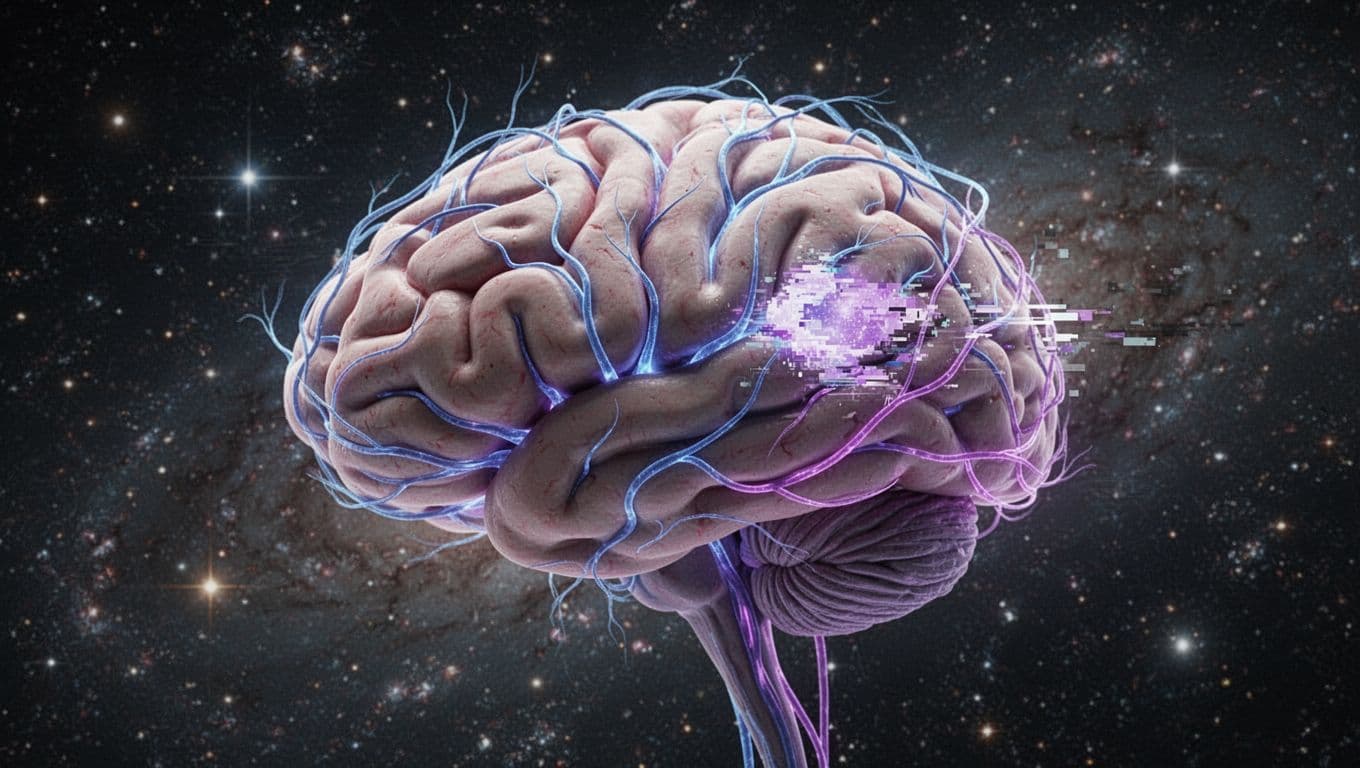
Current science treats deja vu as a memory-processing error, not proof of illness or hidden powers. As of 2026, reporting on work tied to researchers such as Akira O’Connor, Chris Moulin, and Anne Cleary still points to normal brain timing and memory mismatch in most cases.
One idea is false familiarity. Your brain notices something that resembles an older memory, maybe a room layout, a tone of voice, or a pattern of movement. You feel familiarity, but you cannot place the source.
Another idea is a memory mismatch. The brain sends a “this feels known” signal before it finds any real memory attached to it. There is also the dual-processing delay view, where information reaches memory systems with a tiny timing gap. That second hit can feel like repetition. A related explanation is spatial familiarity, when a new place mirrors the shape or feel of somewhere you have been before.
Recent 2026 coverage still frames all of this as normal brain processing, especially when you are tired, stressed, distracted, or in a new setting.
Why deja vu can feel bigger than a normal memory slip
A forgotten name rarely rattles you. Deja vu often does, because it arrives fast and carries a strange sense of certainty. It can feel less like remembering and more like recognizing something that should not be recognizable.
That intensity matters. The emotional charge makes the moment feel symbolic, even when no clear message follows. You may feel as if you know what someone will say next, or as if the scene is part of a script you have touched before.
A strong feeling is real, but it is not the same as proof.
That gap explains why people look for a spiritual meaning of deja vu. The experience lands with more force than a simple memory mistake, so many people wonder whether it points beyond the brain.
The spiritual meaning of deja vu in different beliefs
Spiritual readings of deja vu are matters of belief, not settled fact. Still, they matter because people do not experience life as brains alone. They experience it as meaning-making beings, and some moments seem to ask for interpretation.
Across cultures, deja vu has been linked to soul memory, fate, divine timing, and inner guidance. The details differ, but the core idea stays similar: a brief shock of recognition may signal that something larger is at work.
Past-life memories, karma, and the soul’s long journey
In Hindu thought, where rebirth and karma are central, some people connect deja vu to impressions carried from earlier lives. The moment feels familiar because the soul, or some part of its journey, has touched a similar path before.
Modern spiritual writers often build on that idea. They describe deja vu as a flash from a past life, a karmic echo, or a reminder that a lesson has returned. The scene may not be identical. Instead, the emotional shape of it feels known, like hearing a melody from another room.
Some Buddhists and New Age thinkers also speak of karmic patterns when deja vu appears. Yet Buddhist views on rebirth and self are more complex than the simple idea of one unchanged soul moving from body to body. Because of that, spiritual readers often use deja vu more as a sign of unfinished learning than as a literal replay of a past-life scene.
For people who hold these beliefs, deja vu is not random. It is a small window, one that opens and closes before the mind can fully step through it.
Divine nudges, destiny, and moments that feel guided
Faith-based views vary even more. In some Christian circles, deja vu is treated cautiously and not seen as a message from God at all. A person might respond with prayer and discernment rather than trying to decode it.
Other believers, including some Christians and Muslims in everyday practice, may see a moment of intense familiarity as a reminder to pay attention. The meaning is not always dramatic. It may simply be a nudge toward gratitude, a warning to slow down, or a quiet sense that life is unfolding with purpose.
Outside formal religion, many spiritual people describe deja vu as a hint of destiny. The feeling seems to say, “You have reached a point that mattered.” It can feel like a checkpoint on a road you were always going to walk.
These views are meaningful to those who hold them. Still, they remain interpretations, not facts anyone can prove.
Is deja vu a message, a warning, or just a mirror?
Once you start asking what deja vu means, it is easy to turn one strange second into a grand theory. A calmer approach helps. Sometimes the moment may invite reflection. Other times it is simply a flash of familiarity with no larger message attached.
Meaning often comes from context. The same deja vu feeling will land differently during grief, travel, a new job, or a major relationship change.
Common spiritual messages people attach to deja vu
People often connect deja vu with being on the right path. The timing feels too precise, so they read it as confirmation that a choice, place, or person matters. Others read it as a sign to slow down and notice what they have been missing.
Another common meaning is a repeating pattern. You may feel deja vu during a conversation that resembles an older wound, even if the details are new. In that case, the message may be less mystical and more honest: this part of your life wants attention.
Some also treat it as a prompt from the higher self, especially when the moment lands during inner conflict. It feels like an inner tap on the shoulder, a reminder to wake up and listen.
Then there is the modern “glitch in the matrix” idea. TikTok and YouTube helped push that language into pop culture. It is catchy, and it fits the strangeness of the experience. Still, most people use it as a metaphor, not a serious claim about reality breaking.
How to tell the difference between reflection and overthinking
A useful test is simple: does your interpretation help you see your life more clearly, or does it trap you in fear? Reflection opens space. Overthinking tightens it.
When deja vu happens, note the basics. Where were you? Who was there? What emotion rose first? Were you about to make a choice, avoid a truth, or repeat an old habit? Those details often matter more than the feeling itself.
Journaling helps because it slows the mind down. You stop chasing a cosmic answer and start noticing patterns. Maybe deja vu visits when you are sleep-deprived. Maybe it appears around the same type of person. Maybe it comes during big transitions.
One strange moment does not predict the future. It also does not confirm a secret message on its own. Curiosity is healthier than fear, and gentler than forcing meaning where none exists.
A grounded way to respond when deja vu happens
You do not have to pick one camp forever. Plenty of people hold both views at once. The brain may create the feeling, and the feeling may still push you toward honest self-reflection.
That balanced view keeps wonder alive without drifting into panic.
Pause, notice the details, and choose what feels true
When deja vu hits, try a short response:
Pause for one breath instead of fighting the feeling.
Look around and name a few details in the scene.
Notice your body, especially tension, warmth, or calm.
Write down what happened while it is fresh.
Ask what in your life feels familiar right now.
This works whether you lean scientific, spiritual, or somewhere between. If the moment came from a brain mismatch, the pause still helps you become more aware. If it carried personal meaning, the same pause gives that meaning room to surface without drama.
Most importantly, stay grounded. Deja vu is usually harmless. If it becomes frequent and comes with blackouts, confusion, or seizure-like symptoms, medical advice makes sense. In ordinary life, though, the best response is often the simplest one: notice, reflect, and move on with clear eyes.
The room may feel known for a second. Your next choice still belongs to you.
Deja vu sits in an interesting place between science and spirit. Brain research explains it as a familiarity error, while many spiritual traditions see it as a soul-level reminder, a karmic echo, or a nudge to pay attention.
You do not need panic, and you do not need blind belief. Deja vu can be a brief brain event and still become a meaningful moment of self-awareness.
When life suddenly feels repeated, the wisest response is often the calmest one. Stay open, stay observant, and let the moment teach only what it truly can.
deja vu, spiritual meaning, memory glitch, soul signs, synchronicity