You can do all the right things and still feel a small ache in your chest. The job looks fine. Your calendar is full. People say you’re doing well, yet something in you keeps whispering, “This isn’t the whole story.”
That feeling doesn’t always mean you’ve failed. Often, it means your soul blueprint is trying to get your attention. It’s the inner pattern of gifts, lessons, desires, and service that makes life feel honest.
You don’t need a dramatic awakening to find it. You can start by noticing the clues already woven into ordinary days.
What a soul blueprint really means, and what it does not
A soul blueprint is a simple idea. It points to the shape of a life that fits you. That shape includes your values, your natural strengths, the work that feels meaningful, and the kind of help you feel pulled to give.
It does not mean one perfect job title is waiting in the sky. It also doesn’t mean you need one grand destiny that explains everything. For most people, purpose is more lived than announced. It shows up in patterns.
That matters even more in 2026, because many spiritual growth trends are moving away from rigid goal chasing. People are paying more attention to stillness, energy, alignment, breathwork, and honest self-trust. Even if you don’t use spiritual language, the point still holds. A good life has a felt sense. Some paths drain you. Others steady you.
The signs are often quiet, not dramatic
Many people expect purpose to arrive like thunder. Most of the time, it arrives like a familiar song you keep hearing.
You may notice the same themes returning across years. You keep teaching without meaning to. Friends come to you for calm. You light up when you write, build, heal, cook, design, organize, or care for others. Time slips away when you’re doing that thing, and afterward you feel more like yourself, not less.
Those signs are easy to dismiss because they seem normal. Yet your blueprint often hides inside what feels natural to you.
Your pain can point to your work
Pain can also hold clues, although it shouldn’t be romanticized. A wound is not an assignment. Hard experiences do not automatically become your calling.
Still, struggle can leave you with hard-earned wisdom. If you’ve known loss, you may notice grief in other people faster. If you’ve rebuilt your life, you may know how to guide someone through a beginning. In that way, pain can shape compassion.
The part of your story that hurt you most may also teach you where you can offer steady light.
How to uncover your mission by following the clues already in your life
Purpose becomes clearer when you stop hunting for one perfect answer and start gathering evidence. Your life already leaves breadcrumbs.
Start with childhood joy and the moments when time disappears
Before approval, pressure, and survival took the front seat, your younger self often moved toward what fit.
Take a notebook and write three answers. What did I love as a child? What do I do now that makes me lose track of time? What would I gladly do even if no one clapped for it?
Then look for overlap. Maybe you loved making forts and now you design spaces. Maybe you organized games as a kid and now you lead teams with ease. Maybe you wrote stories in secret and still feel most alive when shaping words.
These clues matter because joy often points to design. Not every childhood hobby becomes a career. Still, old delight can reveal your way of thinking, giving, and creating.
Use stillness, breath, and dreams to hear your inner voice
A noisy life can drown out good guidance. You don’t need an hour-long ritual. Ten minutes is enough.
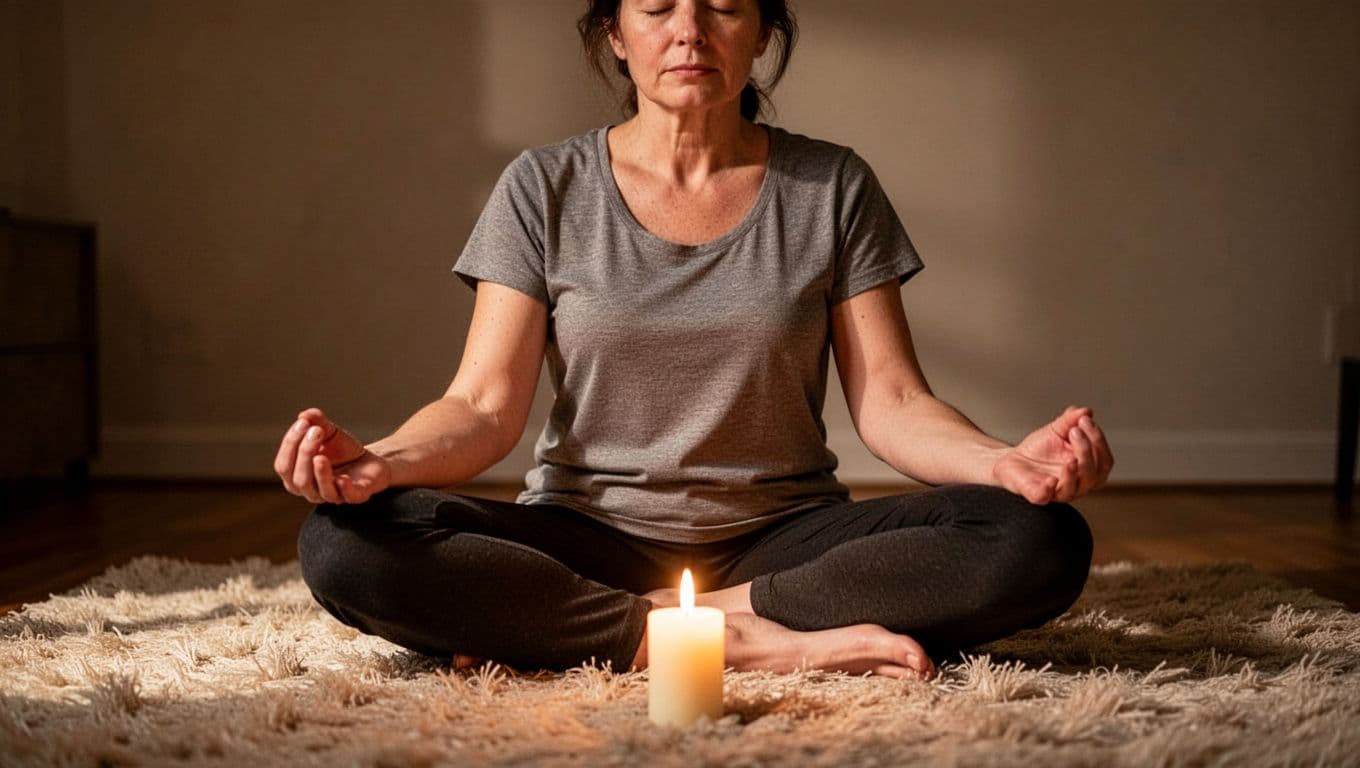
Sit down. Breathe in for four counts, then out for six. Do that for a few minutes. After that, stay still and ask one clear question: “What am I here to learn, create, or give?” Don’t force an answer. Write down what comes.
Many people in 2026 use short breathwork and meditation tools to support this kind of practice. Apps like Calm, Insight Timer, and Breathwrk are popular because they make stillness easier to keep. Dream journals are also having a strong moment. If you wake from a vivid dream, jot down the images, mood, and repeating symbols. Review them once a week and notice themes.
Track what gives you energy and what leaves you empty
Purpose leaves a trace in your body. Some tasks tire you in a good way. Others flatten you.
For one week, end each day with two questions: When did I feel most alive today? When did I feel drained? Keep your notes short. A few lines are enough.
After several days, patterns start to show. You may feel alive when mentoring, planning, solving problems, making art, or being outdoors. You may feel empty after certain meetings, roles, or social settings. This kind of energy tracking has become more common in 2026, partly because people want a truer guide than status alone.
The goal isn’t to avoid all hard things. The goal is to tell the difference between effort that feeds your life and effort that pulls you away from it.
How to live your mission without waiting for total certainty
Clarity grows through motion. If you wait to feel 100 percent sure, you’ll stay in your head for years.
Try small acts that match your gifts
Start with one low-pressure experiment. Volunteer somewhere once a month. Teach one skill to a friend. Mentor someone younger. Begin the small project you keep imagining. Write for twenty minutes each morning. Offer care where it comes naturally.
These acts matter because purpose likes proof. A small action tells you more than a month of overthinking.
Let your mission grow as you grow
Your mission can deepen over time. The thing that begins as healing may turn into teaching. The gift that starts in private may later become service.
Changing direction doesn’t mean you were wrong. It often means you’ve become more honest. Praise can be loud, but peace is usually a better guide. So is steady energy. So is the sense that your life, even in small ways, is helping someone else breathe easier.
The map is rarely handed to you all at once. More often, it appears as you walk.
A soul blueprint isn’t hidden in some far-off future. It’s often found in what keeps returning, what brings quiet aliveness, and where your story can soften another person’s road.
Start with one simple practice today. Sit still for ten minutes, journal your childhood joys, or track your energy for a week.
If something keeps calling your name in small ways, pay attention. That repeated thread may be the shape of the life you came here to live.