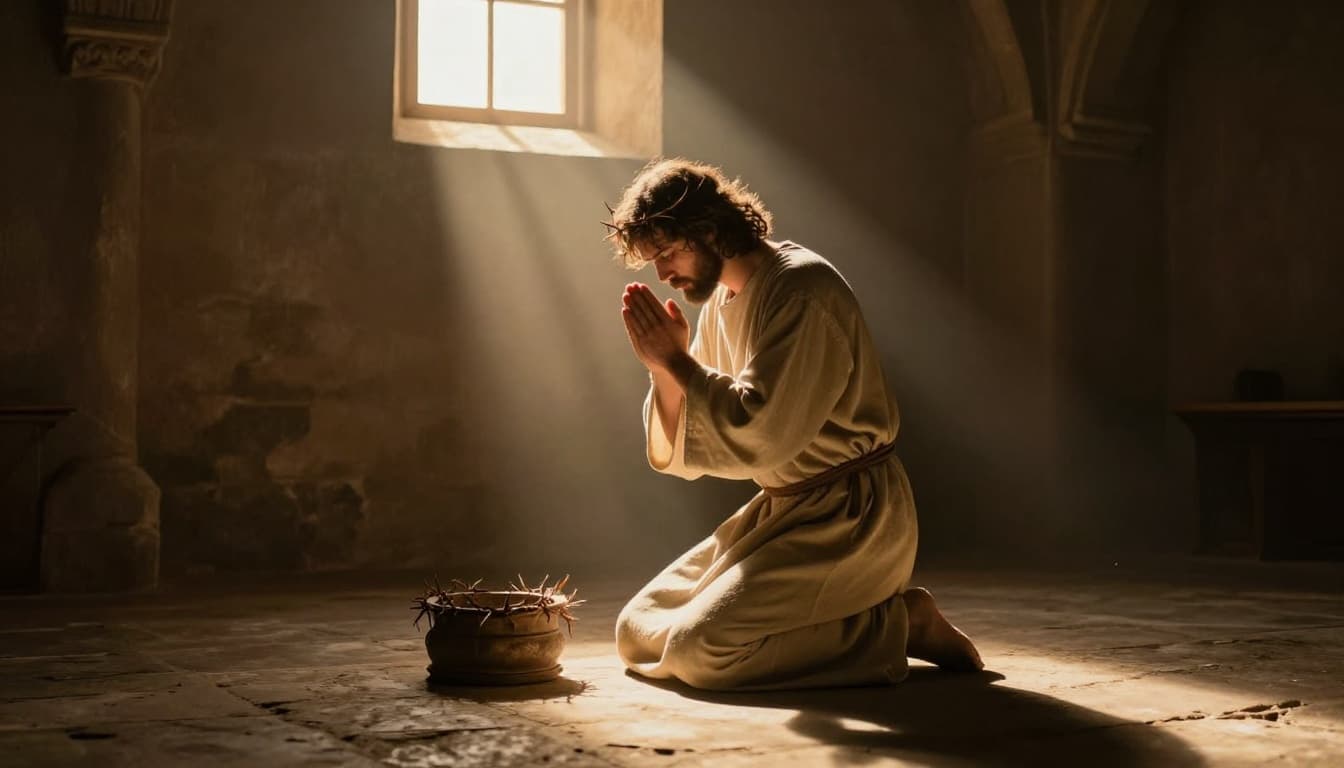
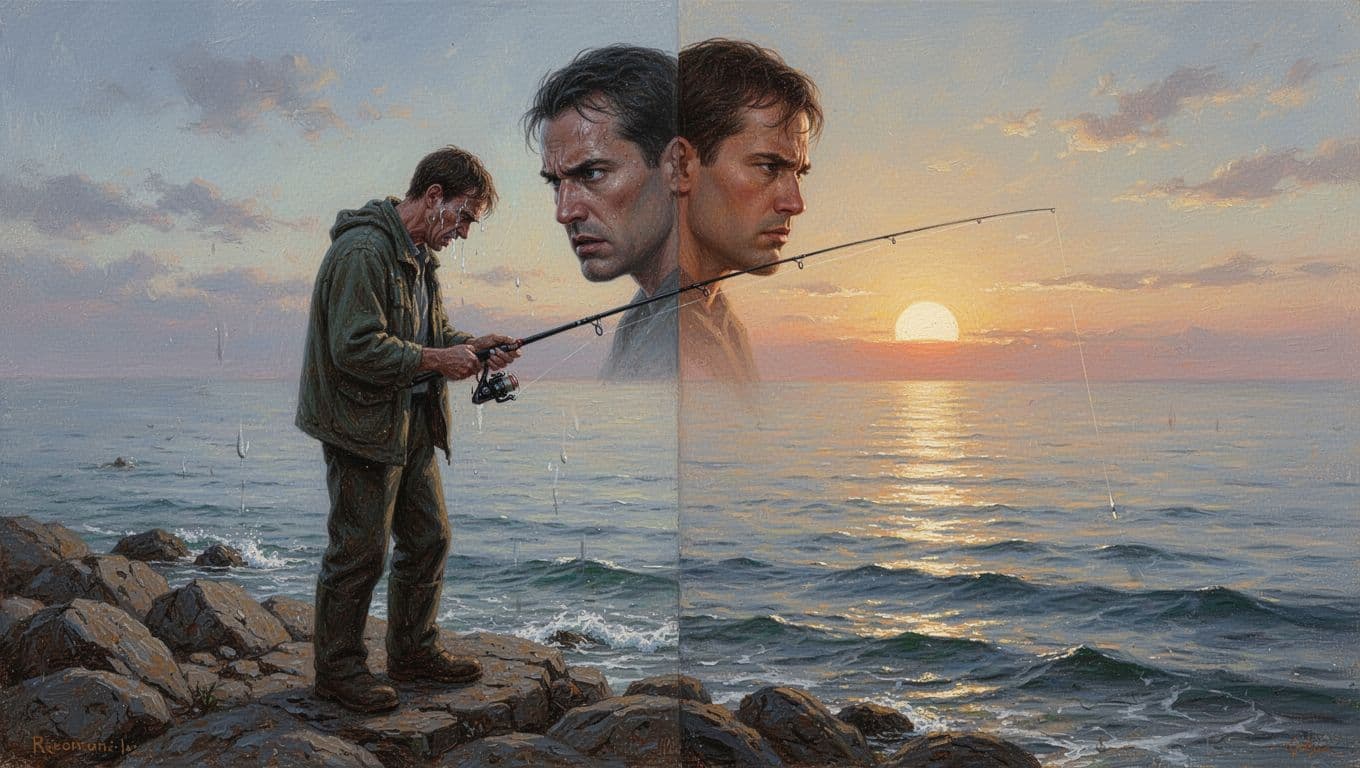
Your greatest weakness may be the place where God speaks most clearly. The part of you that feels thin, bruised, or slow to heal can become the doorway to a spiritual gift you never would have chosen.
Most people spend years trying to hide their weak spots. Yet the soul often grows there first. What shames you today may become the very thing that helps someone else breathe tomorrow.
That shift starts when you stop asking, “How do I get rid of this?” and begin asking, “What is this teaching me?”
Why your weakness may be holy ground
We usually treat weakness like a leak in the roof. We patch it, cover it, and hope no one notices. Yet weakness does something strength often cannot do, it keeps the heart open.
A person who has never known fear may sound brave, but they often struggle to comfort the anxious. Someone who has never failed may give advice, but they may not know how to sit with shame. Pain widens the inner room. It makes space for mercy.
That is why many spiritual gifts grow in wounded soil. A history of rejection can grow into discernment. Long seasons of grief can shape compassion. Social fear can become a gift of listening. Chronic struggle can build steady faith because you learn to lean on God when your own will runs thin.
This does not mean every weakness is good. Some weaknesses come from harm, sin, exhaustion, or old lies. They still hurt. Still, God has a way of planting seeds in broken ground. Rain falls in cracks first.
The weakness you hate may be the place where pride loosens its grip and grace finally gets in.
Recent Christian teaching in 2026 has circled back to this old truth. Several pastors pointed to Peter and Paul, not as polished heroes, but as men whose failures became part of their witness. Their power did not come from self-belief. It grew through surrender.
That matters because many people chase spiritual gifts as if they were badges. Scripture paints a different picture. Gifts are often born where self-sufficiency dies. When you know you cannot carry yourself, you stop pretending. Then prayer turns honest. Dependence grows roots. Love gets less performative and more real.
So weakness is not always a wall. Sometimes it is the thin place where heaven presses close.
Paul’s thorn and the strange gift of dependence
Paul wanted relief. He prayed for his “thorn in the flesh” to leave. It stayed. Then came the answer that still unsettles proud people: “My grace is sufficient for you, for my power is made perfect in weakness.”
That verse is quoted often because it cuts against instinct. Most of us want God to make us shiny. Paul learned that God often makes us usable.
Paul’s weakness did not cancel his calling. It shaped it. Because he knew pain, he spoke about grace with weight. Because he knew limits, he stopped worshiping his own ability. Because he could not fix everything, Christ’s strength had room to rest on him.
That is the hidden gift inside many private battles: dependence. Dependence sounds small in a culture that worships control. Spiritually, it is a deep well. A dependent heart prays faster, repents sooner, and boasts less. It notices God in places the self-made person misses.
In early 2026, several sermons returned to this passage. The common thread was simple. Weakness does not disqualify you from usefulness. It often strips away the false power that keeps you shallow. When you stop trusting raw talent, charm, or grit alone, you become more teachable. That is when grace starts to shape your life in public and in private.
Many hidden spiritual gifts grow from this kind of surrender. A person with ongoing pain may develop unusual patience. Someone who has battled doubt may become a wise guide for others in dark nights. A believer who has felt helpless often becomes fierce in prayer.
Paul teaches a hard lesson, but it is freeing. The point of your life is not to look unbreakable. The point is to become open enough for God’s strength to work through what is cracked.
Peter’s failure became a gift of courage and mercy
Peter is often remembered for bold moments, walking on water, speaking first, making loud promises. Yet his weakness showed up under pressure. When fear cornered him, he denied Jesus three times.
That failure could have become Peter’s final name. Instead, it became part of his making.
Recent preaching in 2026 has highlighted Peter’s change after resurrection and Pentecost. The point is not that Peter found hidden confidence inside himself. Jesus met him in his shame, restored him, and turned the site of failure into a place of calling.
Peter’s weakness was fear. The hidden gift inside it became courage with compassion. That is an important difference. Some courage is hard and loud. Peter’s later courage had tears in it. He knew what collapse felt like. So when he spoke, he did not speak as a man above failure. He spoke as a forgiven man.
That kind of person helps people in a different way. They do not crush the struggling. They do not act shocked by weakness. They carry hope without acting superior.
Many people discover the same pattern in their own lives. If you have known panic, you may become a steady presence for others who feel unsafe. If you have lied and repented, you may speak truth with more tenderness. If you have failed publicly, you may become careful with wounded people because you know how humiliation burns.
Failure is a furnace. It can harden you, or it can melt pride. When pride melts, mercy starts to move.
Peter shows that weakness can become a witness. The place where you fell may one day be the place where you speak with the most honesty. Not because the fall was good, but because grace met you there and refused to leave you the same.
How to uncover the spiritual gift inside your greatest weakness
Finding the gift hidden in weakness takes honesty. It also takes time. This is not a trick for turning pain into a neat success story. Some wounds heal slowly. Some stay tender for years. Even so, you can begin to notice what your weakness is shaping in you.
First, name the weakness without dressing it up. Call it fear, insecurity, anger, loneliness, people-pleasing, pride, or chronic self-doubt. Vague words keep the soul foggy. Clear words bring light.
Second, ask what this struggle has taught you about God. Has it made you pray more truthfully? Has it made you kinder to other people? Has it taught you to wait, to listen, or to ask for help? The hidden gift often shows up in the virtue your pain has forced you to learn.
Third, notice where others seek you out. People often recognize your gift before you do. They may come to you for comfort, clarity, patience, or prayer. That pattern matters. A weakness that once made you feel small may now be shaping how you serve.
Fourth, surrender the story again. Some people hold onto weakness as identity. Others deny it. Neither move brings freedom. Offer it to God as raw material. Let Him decide what grows from it.
This simple guide can help you spot the pattern:
Weakness
What it often teaches
Hidden spiritual gift
Fear
Trust and alertness
Courage, discernment
Grief
Tenderness and depth
Compassion, comfort
Failure
Humility and honesty
Mercy, wise counsel
Waiting
Patience and surrender
Faith, endurance
The point is not to force a label. The point is to pay attention. God often turns scars into lanterns. They do not erase the night, but they help someone else find the path.
If your weakness still feels heavy, that does not mean nothing holy is happening. Seeds work underground first. Growth can be quiet for a long time. Stay open. Stay truthful. The gift may already be taking shape.
Your greatest weakness may still ache. Paul still had his thorn. Peter still had his memory of the fire and the denial. Yet those places no longer ruled them. Grace turned them into openings.
The same can happen in your life. When weakness leads you to humility, dependence, compassion, or courage, it is no longer empty pain. It becomes part of your calling.
So the part of you that feels least impressive may be the very place where God is building something that lasts.
spiritual gift, greatest weakness, God’s grace, Christian growth, inner healing