Disclosure: This article contains affiliate links. As an Amazon Associate, Soul Connections Hub earns from qualifying purchases, at no extra cost to you. Learn more.
Most people feel different in a quiet chapel, a messy bedroom, a peaceful park, and a loud waiting room. Your body knows the difference before your mind can explain it.
That shift is part of what people mean by spiritual frequency. In plain language, it is the inner state you carry, calm or tense, open or shut down, grounded or scattered. Where you spend your time can raise that state, drain it, or help steady it.
You do not need to believe in invisible forces to notice this. Place affects mood, focus, prayer, rest, and your sense of meaning. Once you see that, sacred space stops sounding abstract and starts feeling practical.
What people mean by spiritual frequency, and why place matters
For this article, spiritual frequency means the quality of your inner life. It includes peace, attention, emotional energy, and your sense of connection to something larger than your daily stress. Some people feel that in church. Others feel it on a trail, near water, or in one clean chair by a window.
Place matters because the body is always reading the room. Light, sound, order, smell, and privacy all shape your nervous system. A harsh, crowded room can keep you keyed up. A calm, meaningful place can help you settle.
Science does not prove a literal spiritual vibration around a room. Still, it does support the idea that environments change mood, stress, and mental well-being. That means your “frequency” is not only a poetic phrase. It also reflects real patterns in attention, emotion, and habit.
Your environment trains your mind, often without you noticing
Spaces teach you what to expect. If a room is noisy and cluttered, your mind prepares for interruption. If a space feels safe and ordered, your body often softens its guard.
This happens in small ways. Dim light can invite rest. Sharp overhead light can keep you alert. A good scent can slow your breathing. Too much visual clutter can make it hard to think one clear thought.
Over time, these cues become habits. You may walk into one room and start doom-scrolling. You may step into another and feel ready to pray, write, or breathe. The place itself is not doing magic. It is training your attention.
Sacred spaces help people feel calm, connected, and less alone
A sacred space often supports more than peace. It can also support belonging. That matters because many people feel most lost when they feel cut off, from themselves, from others, or from God.
Recent writing on sacred spaces and spiritual connections points to a simple truth: meaningful places are often linked with better mental health. Those places can be natural, religious, or personal. What matters is the bond a person forms with them.
A 2026 report summarized by PsyPost on spiritual connection to surroundings found that people who feel spiritually connected to their surroundings tend to report better mental health. That does not mean place fixes every struggle. It does suggest that the spaces around you can support healing instead of adding more strain.
The difference between a draining space and a sacred space
A sacred space does not need stained glass, perfect decor, or a large budget. It can be a church pew, a beach, a back porch, a bench under a tree, or one corner of your apartment. What sets it apart is how it shapes your inner life.
A sacred space is any place that helps you return to yourself and what matters most.
Signs a space lowers your energy
You usually know a draining space by how you feel after time there. The signs are not dramatic, but they add up.
You feel overstimulated, edgy, or unable to settle.
Clutter pulls your attention in ten directions.
Noise keeps your body braced for the next interruption.
Sleep feels worse when you spend long hours there.
Tension rises in your shoulders, jaw, or stomach.
The room feels emotionally heavy because it holds stress, conflict, or bad memories.
Many people live with at least one space like this. It may be a bedroom that became an office, a kitchen full of tension, or a phone-filled couch that never lets the mind rest. A draining space keeps you reactive. It makes presence feel hard work.
What makes a place feel sacred
Sacred places tend to share a few qualities. They have intention. They offer some degree of quiet or focus. They hold beauty, even simple beauty. They also feel safe enough for honesty.
Meaning matters as much as design. A plain chair becomes sacred when you return to it for prayer each morning. A trail becomes sacred when it helps you grieve, forgive, or listen. Repeated use builds emotional memory.
That idea also shows up in healing research. A 2025 article in the Journal of Human Services on sacred spaces and mental health describes sacred spaces as places that support care, identity, and safety, especially for people who have felt unseen in ordinary systems. Sacredness grows when a place helps the whole person feel welcome.
Why sacred spaces support spiritual growth in everyday life
Spiritual growth rarely happens because life gets quieter on its own. Most people need a place that helps them step out of noise and into attention. That is where sacred space earns its value.
These spaces can make prayer feel more natural. They can help you think clearly after a hard day. They can also remind you who you want to be when stress tries to shrink your world to tasks and pressure.
Sacred places are not only private. Communal spaces matter too. Churches, temples, mosques, recovery rooms, and even neighborhood gardens can reinforce care, generosity, and shared meaning. When people gather in a place built around reverence, they often leave more able to support others.
They make it easier to slow down and hear yourself
Mental noise is one of the biggest barriers to spiritual life. If your attention is pulled by screens, clutter, and constant demands, it becomes harder to notice what you feel, what you fear, and what you need to face.
A sacred space lowers some of that noise. It gives your mind fewer things to defend against. Then prayer, journaling, meditation, gratitude, or simple silence can begin to feel less forced.
Many people do not need more insight. They need fewer distractions. A steady place helps them hear the truth they already know.
They turn spiritual practice into a steady habit
Habit grows faster when the setting stays the same. Your body learns the pattern. When you return to one meaningful place each day, settling becomes easier.
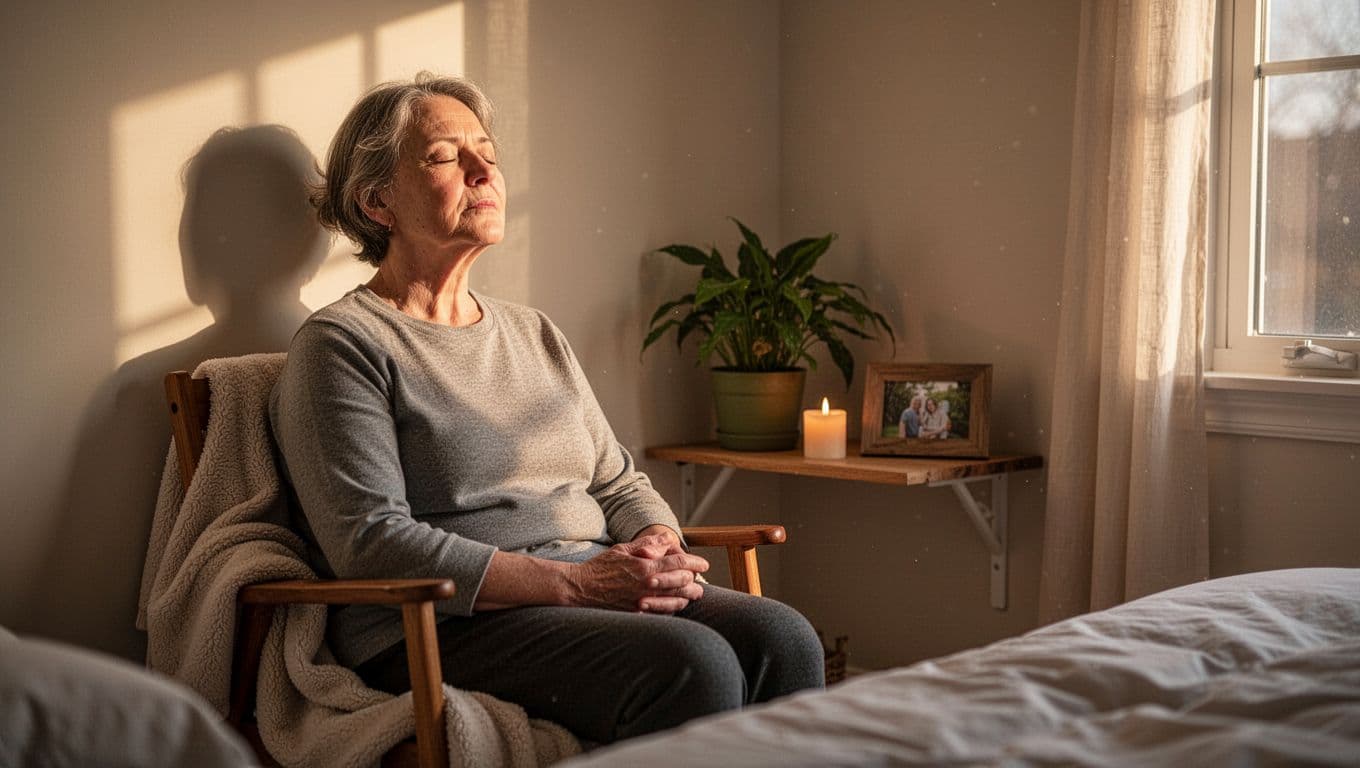
That is why a home altar, a favorite morning chair, a weekly worship space, or a regular walk can matter so much. The place becomes a cue. You sit down, and your mind remembers. You arrive, and your breathing changes.
Over time, that repeated return can shape values as much as beliefs do. You become more patient because you keep practicing stillness. You become more honest because the space invites truth. You become more compassionate because the room keeps reminding you to soften.
How to create a sacred space wherever you live
You do not need a spare room or expensive decor. You need a small area that supports the state you want to grow. Start with what you already have, then make it easier to return there every day.
Start with one small area and one clear purpose
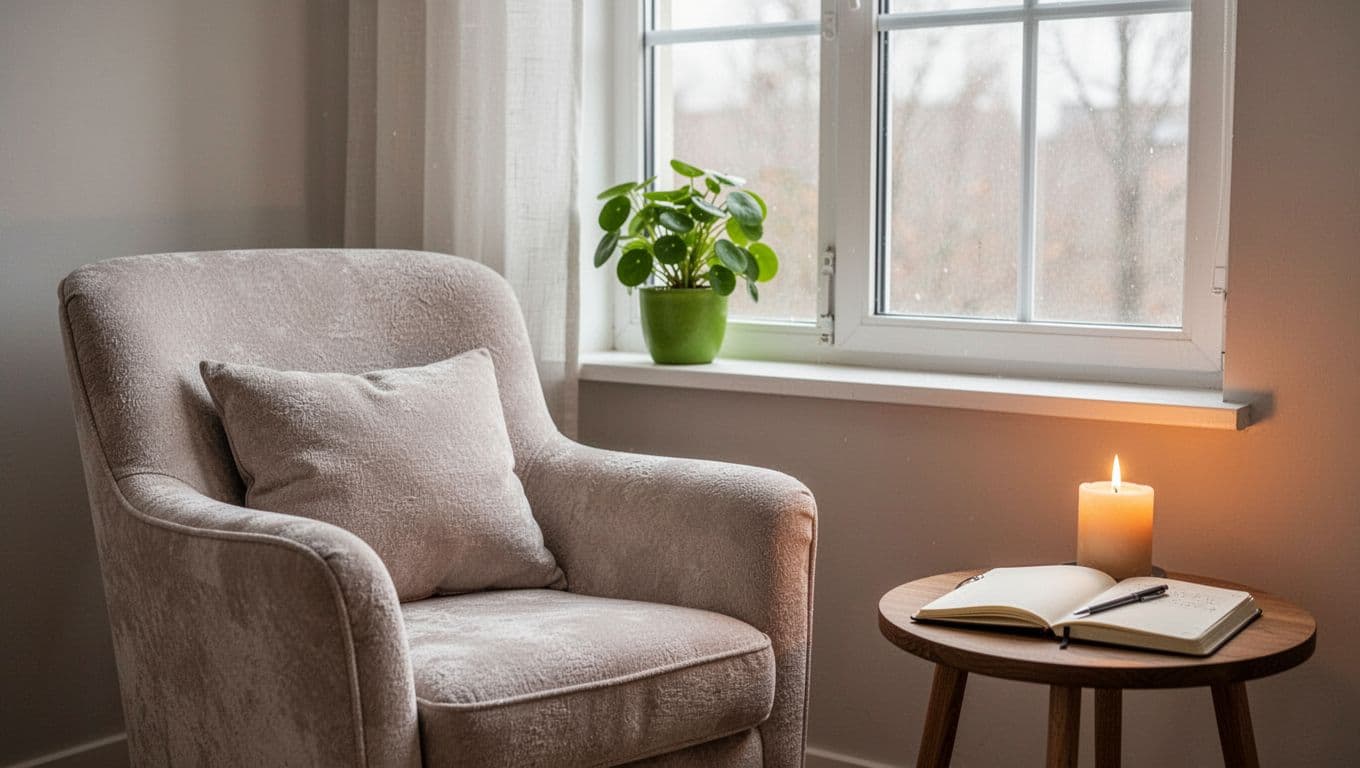
Choose one spot. It might be a corner, chair, shelf, window seat, porch step, or outdoor bench. Then decide what the space is for.
If the purpose is prayer, keep prayer tools nearby. If the purpose is rest, reduce noise and visual clutter. If the purpose is healing, choose objects that remind you of safety, hope, or love.
A sacred space works best when its purpose is simple. Too many functions can blur the signal.
Use simple details that help your spirit settle
Small details matter because they shape how the body feels. Natural light can calm the room. A candle can mark a pause. A plant adds life. A meaningful book, journal, photo, or faith symbol can keep the space personal.
Less is often better. If you crowd the area with too many objects, the room starts asking for your attention instead of giving it back. Keep only what supports calm and focus.
You may also want scent, soft fabric, or a favorite piece of music. Choose with care. The point is not decoration. The point is support.
Protect the energy of the space with small daily rituals
A sacred space stays sacred through use. If you ignore it for weeks, it becomes another corner. If you return to it, even for five minutes, it keeps its meaning alive.
Simple rituals work well. Tidy the area before bed. Open a window in the morning. Sit in silence for a few minutes. Light a candle. Read a short passage. End the day with gratitude.
Consistency matters more than perfection. A small, faithful practice can shape your inner atmosphere more than a beautiful setup you rarely use.
The place you return to each day is teaching you something. It may train hurry, numbness, and distraction. Or it may train peace, honesty, and attention.
If a chapel, park, beach, or one chair by a window changes how you breathe, that is not random. Your surroundings shape your thoughts, emotions, and spiritual frequency more than you may realize.
Start by noticing which spaces leave you drained and which ones help you feel grounded, open, and alive. Even one intentional corner can begin to change the tone of your inner life.