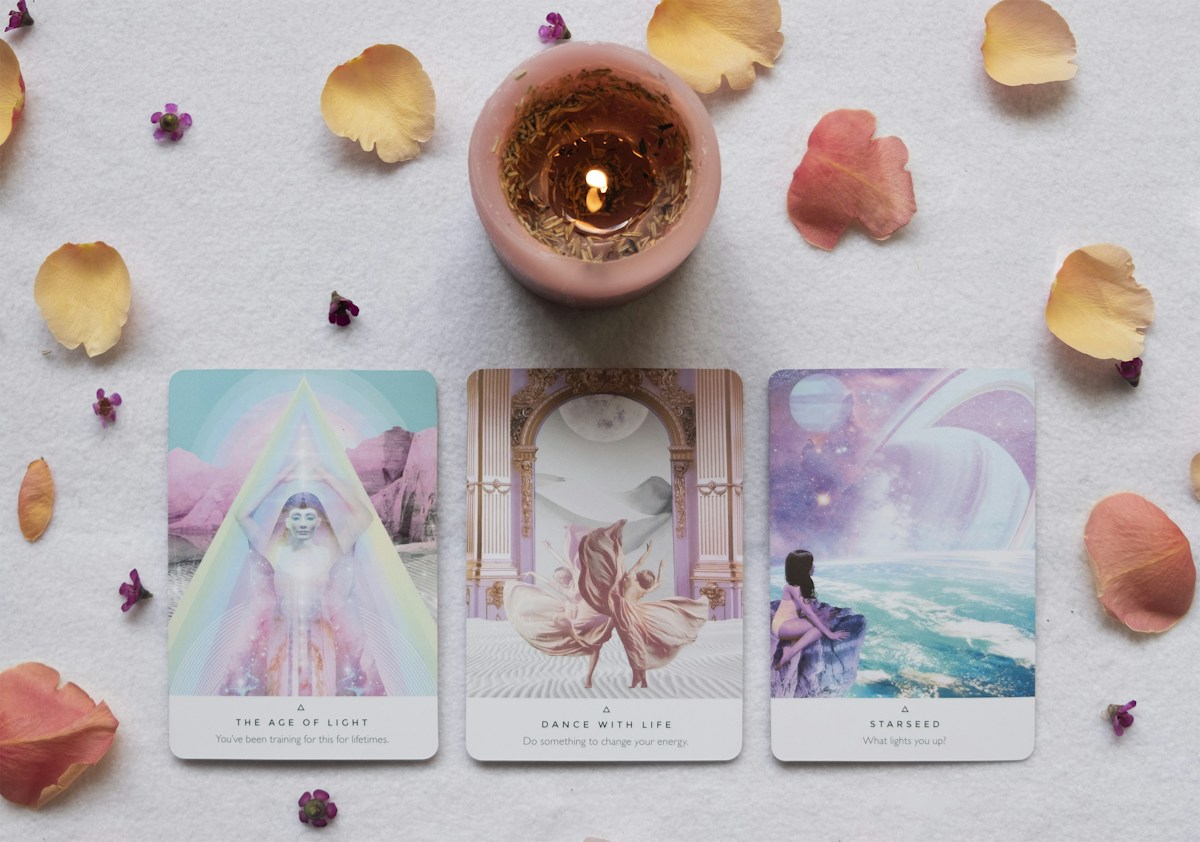
Some relationships feel heavy even when the chemistry is strong. Others feel clear, steady, and honest, as if both people can breathe.
That difference is why so many people talk about a 5D relationship. Some use the term in a spiritual way. Others use it as a simple label for a healthier bond built on truth, growth, and real emotional safety. By 2026, the phrase shows up often in podcasts, social posts, and dating conversations, which means more people are curious about what it actually means.
The useful part of the idea is not the trend. It’s the picture behind it: a relationship shaped by mutual growth, not fear. This guide gives a clear look at what that means, how it differs from 3D and 4D connections, and how to build it in daily life.
What a 5D relationship really means in simple words
In plain English, a 5D relationship is a bond built on trust, freedom, shared purpose, and a strong sense of connection. Some people call that a soul-level bond. If spiritual language doesn’t fit you, the idea still works. It points to a relationship where both people act with self-awareness and care, not control.
This kind of partnership doesn’t mean life turns perfect. You still get hurt, disagree, and bring old patterns into the room. The difference is how both people meet those moments. Many descriptions of 5D love contrast fear, jealousy, ego, and power games with love, teamwork, honesty, and inner growth.
A 5D bond also leaves room for each person to stay whole. Love is present, but so is freedom. Closeness is strong, but identity doesn’t disappear.
A 5D bond doesn’t erase conflict. It changes how two people handle it.
The core signs people often connect with a 5D bond
People often describe a 5D connection with simple, human traits more than mystical ones.
Both people can be close without clinging. They enjoy each other, but they don’t need constant proof.
Vulnerability is welcome. Hard truths can be spoken without turning every talk into a fight.
Care feels steady, not conditional. Love isn’t a reward for good behavior.
Communication is open. Silence isn’t used as a weapon, and guilt isn’t used as a leash.
Equality matters. One person doesn’t play parent, savior, boss, or project manager of the other.
Growth is part of the bond. The relationship helps both people become more honest versions of themselves.
These signs are easier to see in ordinary moments than in big declarations. You notice them after a rough day, during a repair talk, or when one person needs space and the other respects it.
How 5D relationships differ from 3D and 4D connections
The 3D, 4D, and 5D labels can sound abstract. They make more sense when you treat them as patterns of relating, not fixed ranks of human worth.
A 3D relationship usually centers on attraction, survival needs, image, fear, or control. That can look like jealousy, status chasing, emotional bargaining, or codependency. There may be love there, but it’s tangled with insecurity.
A 4D connection is often a bridge. People begin to wake up to their wounds, triggers, and habits. They start therapy, reflect more, or notice their old coping styles. This stage can feel intense because insight grows faster than stability.
A 5D relationship is more conscious and heart-led. Both people take ownership of themselves. Love feels less like possession and more like partnership.
This quick comparison helps:
Connection style
Main focus
Common pattern
3D
Attraction, fear, status, survival
Drama, control, dependency, image-based choices
4D
Awakening and healing
Strong insight, mixed habits, uneven growth
5D
Love, truth, shared growth
Trust, freedom, repair, emotional maturity
The point isn’t to judge. Most people move through all three at different times. A healthy relationship can carry traces of each, especially during stress.
Why control and codependency fade in a 5D relationship
Control fades because choice matters more than pressure. In a 5D bond, love is not measured by how much access you demand or how much of yourself you abandon.
That creates healthy interdependence. Each person can lean on the other, yet neither becomes the other’s oxygen tank. Support is generous, but rescue is limited. You can comfort a partner through pain without taking over their life.
Codependency often says, “I need you to need me.” A conscious bond says, “I’m here with you, and I trust both of us to stay real.” That feels lighter. It also feels safer because no one has to shrink to keep the peace.
What makes a 5D relationship feel so different
What people notice first is often the atmosphere. The relationship feels calmer. You don’t spend every week scanning for danger, hidden meanings, or signs of rejection. There is more honesty, and with honesty comes relief.
Emotional safety is a big part of that. You can bring in fear, grief, shame, or confusion without being punished for it. That doesn’t mean your partner agrees with everything you say. It means the bond has enough steadiness to hold hard conversations.
Some people also feel a spiritual layer. They may sense shared meaning, strong intuition, or a feeling that the relationship has purpose. Others never use spiritual words at all. Both experiences fit. The label matters less than the daily pattern of truth, care, and repair.
The role of shared purpose, deep trust, and honest communication
A strong bond gets deeper when both people know what matters to them. Shared purpose doesn’t have to mean a business, a mission, or a grand life plan. Sometimes it is simple: a peaceful home, emotional honesty, good parenting, or a life with room for growth.
Trust grows through repeated acts, not romantic speeches. You trust someone because they tell the truth when it’s awkward. You trust them because they come back after conflict and stay open. You trust them because their words and actions match.
Honest communication is the bridge that holds all of this up. Clear speech prevents mind reading. Good listening lowers heat. Repair after conflict keeps small cuts from turning into deep wounds.
When those habits are present, the relationship feels less like a courtroom and more like a home.
How to build a 5D relationship in real life
A 5D relationship starts with inner work, not with finding a flawless partner. If fear still drives your choices, you’ll carry that fear into any bond, no matter how spiritual the language around it sounds.
That is why self-awareness matters so much. Old wounds, attachment patterns, family models, and hidden beliefs often shape love before you even notice them. In addition, boundaries matter because openness without limits becomes chaos.
Some people use meditation, prayer, journaling, or other spiritual practices to stay grounded. Those can help. Still, everyday habits matter most: telling the truth, calming your nervous system, apologizing well, and choosing someone who also wants to grow.
Start with your own healing, values, and self-trust
Healing starts when you stop asking a relationship to fix what only you can face. If you fear abandonment, rejection, or loss of control, notice that early. Name it. Work with it. Therapy, reflection, and honest feedback can help.
Your values matter too. If peace, truth, loyalty, and growth are central for you, say so. Then live by them. Self-trust grows when your choices match your stated values. Without that inner alignment, it’s easy to ignore red flags and call it destiny.
A grounded relationship needs two adults, not one healer and one patient. So choose people who can reflect, repair, and stay present when life gets messy.
Create a relationship that leaves room for both people to expand
Growth-friendly love has structure. It doesn’t rely on mood alone. Regular check-ins help because they clear small tension before it hardens. Respect for personal space helps because closeness needs breathing room. Shared goals help because love drifts when there is no common direction.
Conflict repair also matters. Speak about impact, not character. Stay on one issue at a time. If emotions spike, pause and come back. Blame tries to win; repair tries to understand.
Most of all, let the relationship make room for change. The person you love today won’t be the same in five years, and neither will you. A 5D bond stays alive because both people keep meeting each other fresh, with honesty and choice.
Conclusion
A 5D relationship is a conscious bond built on love, trust, freedom, and shared purpose. Whether you hear it as spiritual language or plain relationship wisdom, the heart of it is simple: two people show up with honesty, self-awareness, and care.
You don’t need to chase a trendy label to build something real. You need the qualities that make love feel safe, alive, and true, especially when life gets hard. When those qualities are present, the name matters far less than the way the relationship feels.