Aromatherapy is simple at heart. You breathe in a scent, your body softens a little, and the day feels easier to carry. That small shift is why people still turn to essential oils for comfort, calm, and daily wellness.
Used with care, these oils can support healing habits. They may help set the mood for rest, ease tension after a long day, or make a home feel less sharp around the edges. Still, they aren’t a cure-all, and they don’t replace medical care.
In 2026, interest is growing around custom blends, mental wellness, and sustainably sourced oils. The appeal is clear: people want tools that fit real life, smell good, and help them feel more grounded. That starts with knowing what aromatherapy can, and can’t, do.
What aromatherapy does, and why people use it for healing
Aromatherapy uses plant-based oils to support how you feel, both mentally and physically. The scent reaches the brain fast, which is one reason it can affect mood, stress, and even how ready you feel for sleep. That doesn’t mean every oil works like medicine. It means smell can shape your state of mind, and your state of mind shapes your body.
When people say aromatherapy helps them heal, they often mean it helps them slow down. It gives them a pause button. A bedtime oil blend, a few quiet breaths, and a dim room can help the nervous system stop racing. That kind of support matters.
The scent is only part of the effect. The ritual around it often matters just as much.
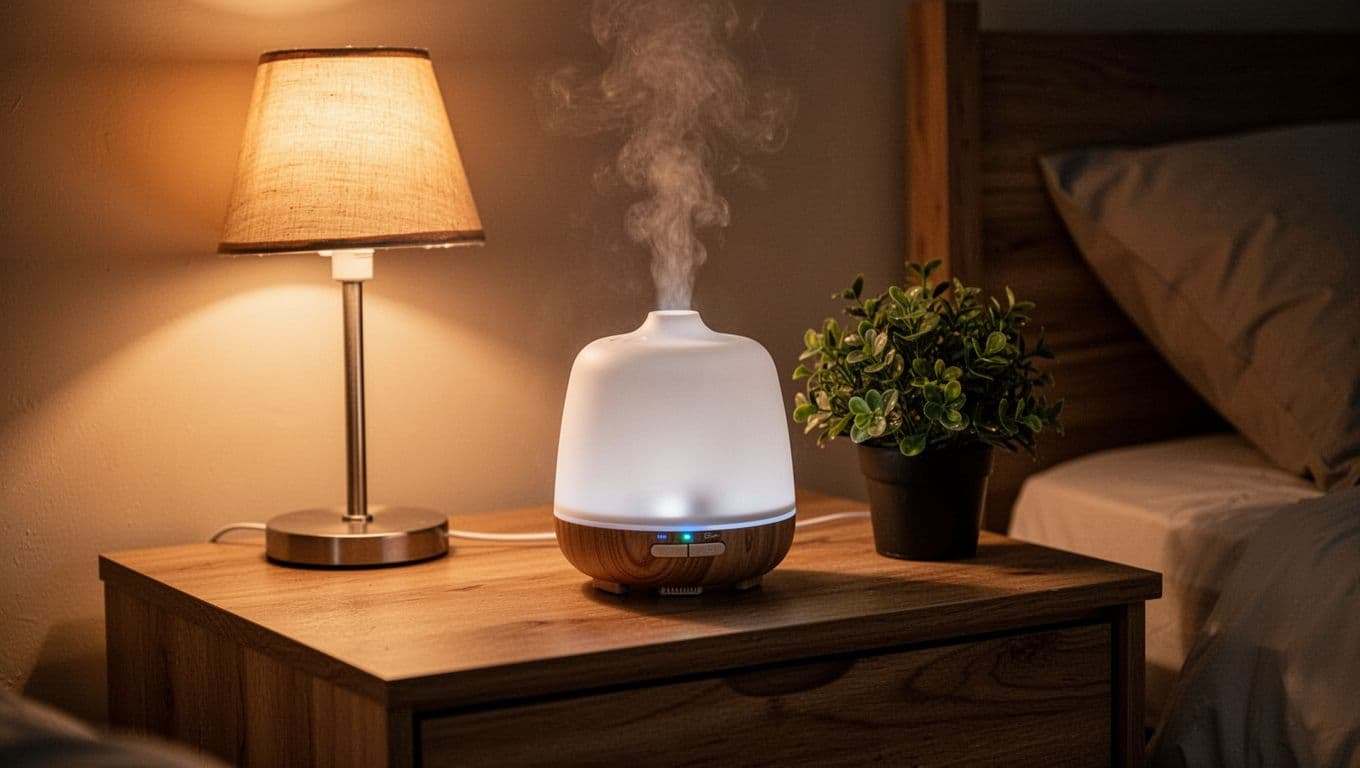
A diffuser humming on a nightstand, warm water in a bowl, or a diluted oil rubbed into tired shoulders can turn a rushed moment into a calmer one. Aroma, ritual, and rest work better together than scent alone.
How smell can change how you feel
Smell is tied closely to memory and emotion. One scent can pull up a childhood room, a summer garden, or a person you miss. Because of that link, essential oils can stir more than the nose. They can shift the whole mood of a moment.
Lavender often feels soft and familiar, so many people use it when stress runs high. Peppermint feels brisk and bright, which can help when your mind feels dull. Rosemary can feel clear and steady, while sandalwood can slow the pace of a busy evening.
Your body responds, too. When stress rises, breathing gets shallow and muscles tighten. A calming scent paired with slow breaths can help ease that response. The oil doesn’t do all the work. Your breathing, your setting, and your attention all join in.
Where aromatherapy helps most in daily life
Aromatherapy often fits best into small, ordinary moments. People use it while winding down after work, settling into bed, or trying to focus before a meeting. Those are the places where scent can feel useful instead of dramatic.
Stress relief is one of the most common reasons people reach for oils. Sleep support is close behind. Others use them for headache comfort, a fresher-smelling room, or a cleaner-feeling work space. Even a simple morning blend can help mark the start of the day.
That daily use matters because healing usually isn’t one big moment. More often, it’s a string of small choices that help the body feel safer, calmer, and less overwhelmed.
The essential oils people reach for most, and what each one is known for
Some oils stay popular because people keep finding them useful. In 2026, lavender and peppermint still lead the pack, while tea tree, eucalyptus, lemon, rosemary, frankincense, clary sage, sandalwood, and ylang ylang remain favorites for home wellness routines.
The reason is easy to see. Each oil has a scent profile and a purpose that people can remember. Lavender softens. Lemon brightens. Peppermint wakes things up. Tea tree feels clean and sharp. Rosemary helps create a focused mood. Frankincense and sandalwood bring a slower, grounded tone.
These oils aren’t magic drops. They’re tools. The best ones match a need, a time of day, and a person’s own scent comfort. That makes them more useful than a shelf full of random bottles.
Calming oils for stress, sleep, and a softer mood
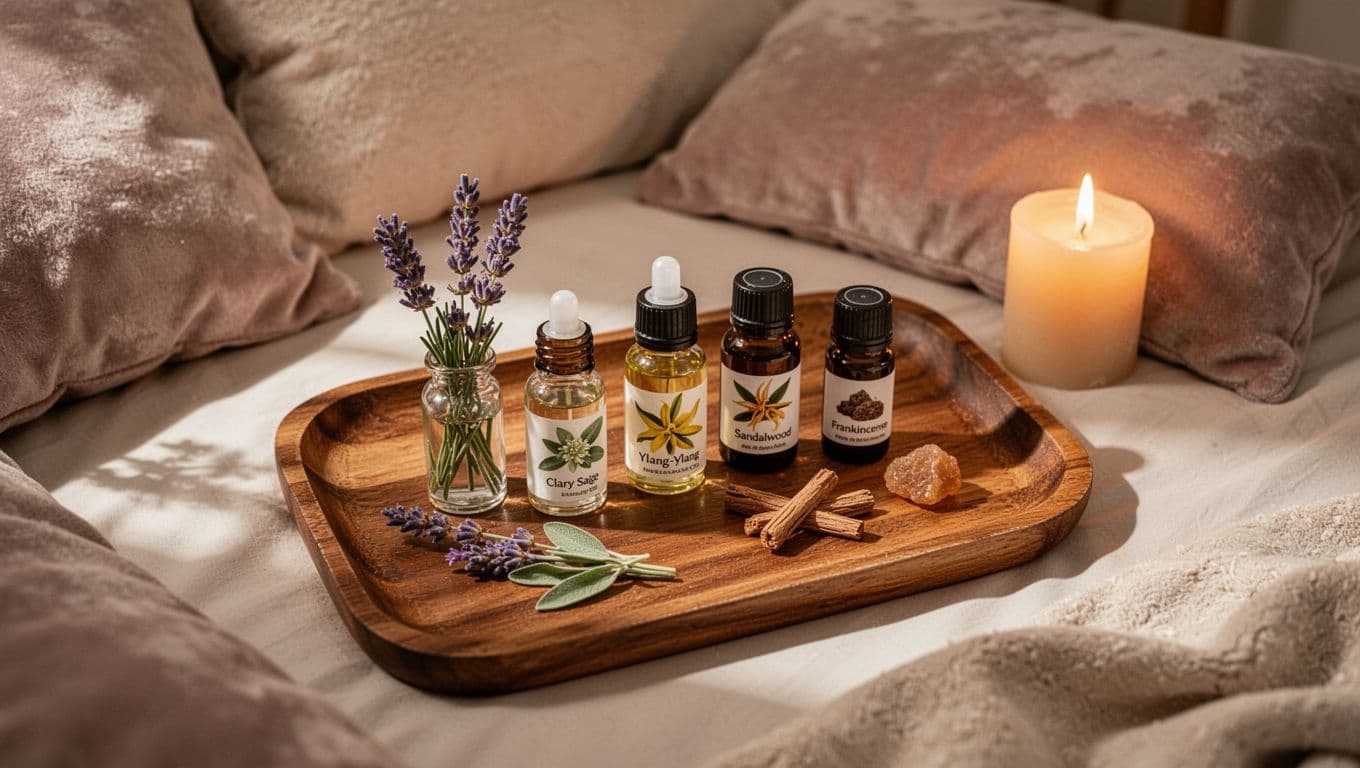
Lavender is the oil many people start with, and for good reason. Its scent is gentle, floral, and familiar. People often diffuse it before bed or add a diluted drop or two to a pulse-point oil.
Clary sage is another evening favorite. It has a warm, herbal scent that some people find comforting during tense days. Ylang ylang smells richer and sweeter, and many use it when they want to settle emotional static or create a softer mood.
Sandalwood and frankincense feel more grounded than floral. They suit quiet evenings, meditation, journaling, or any moment when you want the room to feel less busy. Their scent can feel like turning down the volume in your own head.
Fresh, energizing oils for focus and breathing support
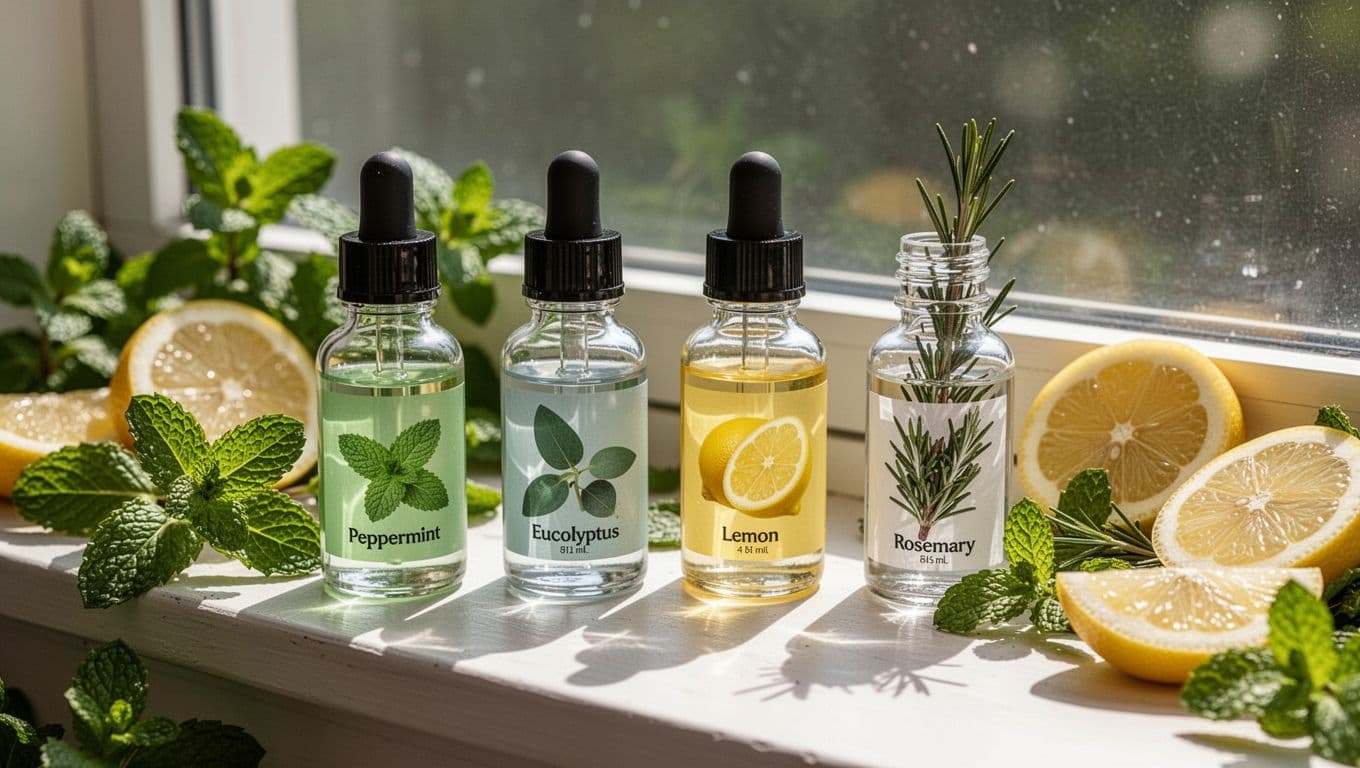
Peppermint has a cool, crisp scent that many people use when they need a mental lift. It often shows up in workday blends, especially during the afternoon slump. Some also like it for headache comfort, though skin use calls for care and proper dilution.
Eucalyptus is common in steam and shower blends because it gives a fresh, open feeling. When a room feels stale or stuffy, its scent can make the air seem cleaner. Lemon does something similar in a brighter way. It adds a light, clean note to blends for focus, cleaning, or a morning reset.
Rosemary rounds out this group with a more herbal edge. People often use it when they want to feel alert, organized, and mentally present.
Oils often used for skin, scalp, and home care
Tea tree is a staple in skin and home routines because it smells sharp and clean. Many people use diluted tea tree oil in spot treatments, scalp blends, or homemade sprays. Because it’s strong, less is better.
Rosemary also crosses into scalp and hair care. Some people add a small amount to a carrier oil for scalp massage, especially as part of a fuller hair routine. For home care, rosemary and tea tree both fit well in diluted cleaning blends.
Skin use needs more caution than air use. Essential oils can irritate the skin, especially when they’re applied straight from the bottle. Patch-testing and proper dilution make a real difference.
Safe ways to use essential oils without irritating your skin or senses
The safest aromatherapy routine is usually a simple one. You don’t need heavy scent, frequent use, or a long list of oils. In most cases, a small amount works better and feels better.
The main ways people use oils are diffusion, direct inhalation, and diluted skin application. Each method can help, but each has limits. Strong scent can trigger headaches or nausea for some people. Skin use can cause burning, rash, or dryness if the oil isn’t diluted. Even “natural” products can irritate the body.
That matters because healing support should feel steady, not harsh. If an oil makes your chest tight, your skin sting, or your head ache, your body is giving a clear answer.
Diffusing, inhaling, and using oils in simple rituals
A diffuser is one of the easiest ways to use aromatherapy. Add a few drops to water, let the scent drift through the room, and keep the session short at first. Many people do well with 15 to 30 minutes, especially in smaller spaces.
Direct inhalation can be even simpler. One drop on a tissue, a cotton pad, or the edge of a pillow can be enough. Steam inhaling is another option, but the water should be warm, not scalding, and the oil amount should stay low.
If you’re scent-sensitive, start even smaller. One oil, one drop, one short session. Your nose doesn’t need a cloud to notice a change.
Why dilution matters for skin use
Essential oils are concentrated. Because of that, most should never touch skin without a carrier oil. Good carrier oils include coconut, jojoba, sweet almond, and grapeseed oil.
Dilution lowers the chance of irritation and spreads the oil more evenly. For beginners, a low dilution is the safest path. Then watch how your skin reacts over the next day. A patch test on a small area can spare you a much bigger problem later.
Some oils need extra caution. Peppermint, tea tree, and citrus oils can be strong on sensitive skin. Lemon and other citrus oils may also make skin more sun-sensitive.
When to avoid essential oils or ask a professional first
Some people need extra care with essential oils. That includes pregnant people, young children, anyone with asthma, and anyone with known fragrance allergies. Pets matter, too, because some oils that smell pleasant to you may not be safe around them.
If your skin is reactive, your breathing is sensitive, or you take regular medication for a health issue, it’s smart to check with a qualified professional before using oils often. Personal history matters more than trends.
Aromatherapy works best when it respects limits. No oil is right for every person, every room, or every stage of life.
How to choose quality oils and build a simple blend that fits your goal
Buying a good oil is easier when you ignore flashy claims. In 2026, many shoppers want cleaner labels, traceable farms, and products that fit more than one part of life. A bottle might work in a diffuser at night and in a diluted roll-on the next day. That kind of use feels practical.
Still, quality matters more than pretty packaging. A poor oil may smell flat, feel harsh, or contain unwanted fillers. Since you’re breathing it in or wearing it on skin, it’s worth choosing carefully.
The best blend also has a clear job. Sleep, calm, focus, or a fresh home scent are all solid goals. Once you know the goal, choosing oils gets much easier.
What to look for on the label
Look for the common name and the botanical name. That helps you know what plant is actually in the bottle. The label should also tell you where the oil comes from and whether it’s a pure essential oil or a blend.
Clean ingredient lists matter. If the bottle includes extra fragrance, vague perfume terms, or no sourcing details, move on. Many buyers now prefer brands that share testing information and explain how they source their plants. Sustainable farming and traceable supply chains aren’t small details. They affect quality, trust, and long-term availability.
Dark glass bottles are also a good sign because they help protect the oil from light.
How to make a blend that feels personal and useful
A simple blend often works best. Start with one anchor oil that matches your main need. Then add one or two support oils. That keeps the scent clear and lowers the chance of a muddy mix.
For bedtime, lavender can be the anchor, with sandalwood or frankincense as support. For a workday blend, rosemary can lead, with peppermint or lemon alongside it. If you want calm without sleepiness, clary sage paired with a touch of ylang ylang can feel soft and balanced.
Keep notes on what you use and how you feel after. Some blends click right away. Others don’t fit your body or your memories. Personal aromatherapy should feel useful, not forced.
Conclusion
Aromatherapy can make healing feel more reachable because it works in the space where daily life happens. A scent in the evening, a pause in the middle of stress, a room that feels easier to breathe in, those small changes add up.
The strongest benefit is often consistency, not intensity. Use essential oils safely, keep expectations clear, and pay attention to how your body responds.
Start small, choose oils with a real purpose, and look for products that feel soothing and responsibly made. The best routine is the one that brings calm without asking too much of you.