Understanding Social Energy
Social energy is a complex yet foundational aspect of human interactions and societal dynamics. It can be defined as the collective emotional and behavioral force that arises from the interactions among individuals within a community or group. This concept emphasizes that the energy generated during social interactions is not merely the sum of individual energies; rather, it manifests as a unique force that influences group behaviors, sentiments, and actions.
Essentially, social energy encompasses elements such as enthusiasm, empathy, motivation, and engagement, which collectively shape the atmosphere of social environments. For instance, in a positive social setting, such as a community gathering or a collaborative workspace, the heightened social energy can lead to increased creativity, cooperation, and overall productivity. Conversely, environments rife with negativity or tension can stifle growth and lead to disengagement.
The interplay between individual personal energy and social energy is critical for understanding collective behavior. When individuals come together, their personal energies do not just coexist; they either enrich or diminish the overall social energy of the group. For example, movements like environmental activism or social justice campaigns often thrive on the power of positive social energy, which galvanizes participants to act collectively for a shared cause.
Different communities and settings exhibit unique forms of social energy. In a sports event, the electric atmosphere generated by fans can significantly boost the players’ performance. Similarly, online communities often showcase social energy through shared interests, where collective enthusiasm can drive trends and movements in digital spaces. This illustrates that the effects of social energy can be profound, affecting everything from local interactions to global movements, and emphasizing its importance in the shaping of societal trends.
The Role of Social Energy in Driving Trends
Social energy serves as a pivotal force driving trends and movements across various domains, including fashion, technology, and social media. This dynamic energy manifests through collective enthusiasm and engagement, creating a fertile ground for ideas to flourish. When individuals resonate emotionally with a concept, product, or movement, they contribute to a shared momentum that propels it toward wider acceptance.
One significant mechanism through which social energy influences trends is the phenomenon of social proof. When people observe others embracing a new idea or style, they are more likely to adopt it themselves. For instance, consider the rise of sustainable fashion practices. As more influencers and celebrities began to champion eco-friendly brands, the enthusiasm surrounding sustainable clothing grew exponentially. This collective advocacy not only elevated consciousness regarding environmental issues but also instigated a trend that leaders in the fashion industry soon recognized as commercially viable.
Furthermore, social media platforms have transformed how trends proliferate. Through likes, shares, and commentary, users generate social energy that amplifies certain ideas or products. Viral challenges or memes often emerge within these digital spaces, showcasing how quickly trends can gain momentum. The Ice Bucket Challenge exemplifies this well, where a local philanthropic initiative blossomed into a global movement due to community engagement and the cascading effect of social media sharing.
In examining the realm of technology, innovations like smartphones and social networking sites have thrived through similar social energy. As users collectively engage with new applications or devices, the aggregate enthusiasm fosters a sense of normalization, leading to widespread adaptation. This cycle highlights how integral social energy is in not only the initial introduction of trends but also sustaining their longevity in public consciousness. Thus, understanding the role of social energy is crucial for grasping how trends evolve and take root in our society.
Social Movements and Collective Action: A Case Study
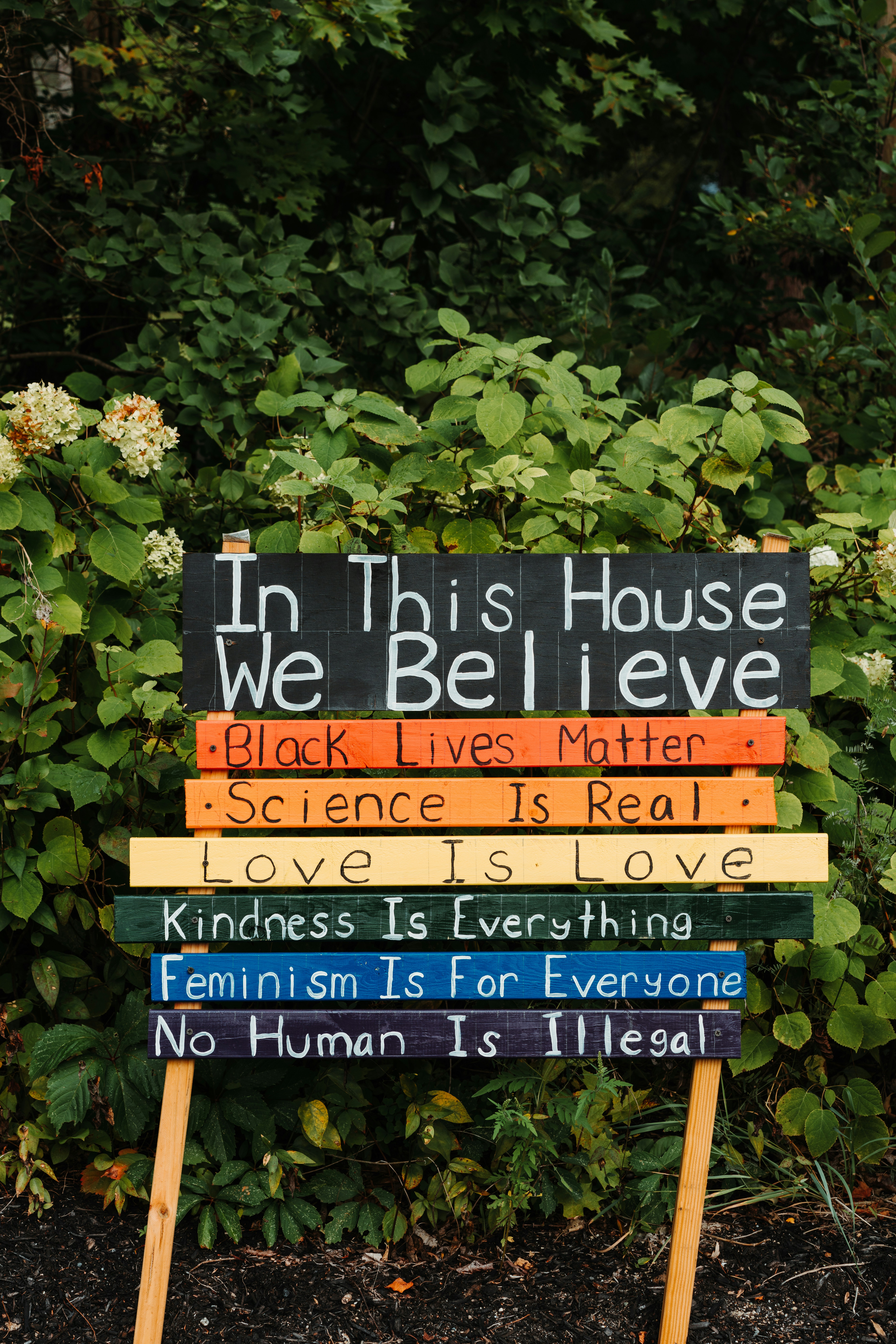
Social movements play a critical role in shaping societal attitudes and bringing about change. The energy that emerges from collective action is profoundly influential, as evidenced by prominent movements throughout history. For example, the Civil Rights Movement in the United States exemplifies how social energy can unify individuals in pursuit of a shared goal. Passionate activism, fueled by emotional connection and strategic organization, culminated in landmark legislative changes that addressed systemic racism and inequality.
Contemporary social movements further illustrate this dynamic. The Frida Kahlo-inspired “Ni Una Menos” campaign in Argentina mobilizes people against gender violence, showcasing how social energy harnesses shared experiences and common frustrations to spark collective action. The campaign not only raises awareness but also solidifies a community around the imperative for gender justice, illustrating how participants’ energy fosters resilience and determination.
Social energy manifests in various forms, from rallies and protests to online campaigns, highlighting the adaptive nature of collective action. The emergence of social media has amplified this energy, allowing movements to reach broader audiences and mobilize support quickly. For instance, the global climate strikes led by youth activists demonstrate how social media creates a powerful platform for the collective voice, driving awareness and action against climate change.
Moreover, the interplay between social energy and emotional connection is vital for the momentum of any movement. Emotional resonance cultivates a sense of belonging and commitment among participants. When individuals feel connected to a cause, their collective action is more vigorous and sustained. Thus, movements that effectively tie emotional narratives to their objectives are often more successful in catalyzing tangible change.
Harnessing Social Energy for Positive Change
Social energy, the collective enthusiasm and engagement of individuals within a community, can serve as a powerful catalyst for positive change. To harness this energy effectively, individuals and organizations must adopt strategies that inspire collaboration and inclusivity. One critical approach involves fostering open communication channels that encourage participation and dialogue. Creating platforms where individuals feel heard and valued can significantly enhance the collective social energy within a group.
Empathy is another essential element in harnessing social energy. By actively promoting understandings across diverse backgrounds and perspectives, communities can cultivate environments rich in supportive interactions. Initiatives that involve storytelling or sharing personal experiences can strengthen bonds among participants, fostering a sense of belonging and mutual respect. This empathetic approach not only enhances social cohesion but also amplifies the potential for collective action.
Empowerment stands out as a crucial strategy for channeling social energy towards constructive outcomes. Organizations can implement training programs that equip individuals with the skills necessary to engage in community-building efforts and social initiatives. Additionally, recognizing and celebrating the contributions of individuals within a group can reinforce a culture of empowerment and encourage ongoing participation.
Numerous successful projects exemplify the harnessing of social energy for social good. Initiatives like community clean-up drives, awareness campaigns for social justice, and collaborative art projects illustrate how collective efforts can lead to widespread positive change. These examples highlight the importance of a united front, demonstrating how shared goals can be approached through a pooling of resources and energy.
By prioritizing inclusivity, empathy, and empowerment, communities and organizations can create conducive environments where social energy is not only harnessed but also directed towards meaningful and transformative actions.