
Introduction
Anxiety and depression are prevalent mental health conditions that affect millions of individuals worldwide. While anxiety often manifests as excessive worry, restlessness, or feelings of impending doom, depression may display symptoms such as persistent sadness, loss of interest in activities, and difficulty concentrating. Both conditions can significantly impact everyday life, making routine tasks feel overwhelming and hindering personal and professional relationships.
The interplay between anxiety and depression can exacerbate symptoms, causing individuals to experience heightened emotional distress. For instance, someone struggling with anxiety may develop feelings of hopelessness, while a person with depression might experience increased anxiety related to their life circumstances. The combination of these conditions can lead to a negative cycle that is challenging to break without the appropriate support.
Seeking help from a qualified therapist is essential in addressing these issues. Therapy provides a safe, confidential space where individuals can explore their feelings, thoughts, and behaviors. Through a variety of therapeutic modalities, such as cognitive-behavioral therapy (CBT) or mindfulness-based approaches, therapists work collaboratively with clients to identify triggers and develop coping strategies. This professional support is a crucial step toward recovery, offering perspective and tools to manage symptoms effectively.
Moreover, therapy not only focuses on managing symptoms but also fosters personal growth and resilience. It provides individuals with the opportunity to understand their experiences better, explore past traumas, and learn skills to navigate life’s challenges. By engaging with a therapist, individuals can cultivate a more fulfilling life, ultimately leading to improved mental health and well-being.
Understanding Therapy
Therapy serves as a crucial tool in managing mental health challenges, particularly anxiety and depression. By exploring various therapeutic approaches, individuals can find the methods that best resonate with their specific needs. Among the most popular forms of therapy is Cognitive Behavioral Therapy (CBT), which focuses on identifying and modifying negative thought patterns and behaviors. CBT is structured and goal-oriented, making it effective for many individuals experiencing anxiety and depressive disorders.
Another significant approach is psychodynamic therapy, which delves into how unconscious processes and past experiences shape current behavior and feelings. In this therapy, clients work through their emotions and thoughts, uncovering underlying issues that may contribute to their present struggles. This introspective method can lead to profound personal insights and a better understanding of how past events influence their present state of mind.
Humanistic therapy highlights personal growth and self-actualization, enabling individuals to explore their feelings more freely and cultivate self-awareness. This client-centered approach emphasizes the therapeutic alliance, promoting a supportive environment where clients feel safe expressing their thoughts and emotions without judgment.
Therapists play an essential role in facilitating these therapeutic processes. Collaboratively, they work with clients to establish achievable goals, providing both guidance and emotional support throughout the journey. This partnership fosters trust, allowing clients to voice their concerns and work towards positive change. By understanding the nuances of therapy, individuals can make informed decisions about their mental health treatment, exploring the avenues that best suit their unique situations.
Tools and Techniques
Therapists employ a diverse range of tools and techniques to help clients manage anxiety and depression effectively. One of the prominent approaches is cognitive-behavioral therapy (CBT), which focuses on the interplay between thoughts, emotions, and behaviors. By identifying and modifying negative thought patterns, clients can gain insight into how these thoughts influence their emotional and behavioral responses. This awareness is the first step toward creating more constructive thinking patterns and improving overall mental health.
Common practices within CBT include thought monitoring and reframing. Thought monitoring involves tracking negative thoughts as they occur, allowing clients to recognize patterns that contribute to anxiety or depression. Once these thoughts are identified, therapists guide clients to challenge them and replace them with more balanced and positive alternatives. This process, known as reframing, is crucial in shifting perspectives and fostering resilience.
In addition to cognitive strategies, therapists often incorporate mindfulness techniques to enhance emotional regulation. Mindfulness encourages clients to remain present and aware of their thoughts and feelings without judgment. Techniques such as deep breathing, meditation, and focused attention help individuals develop a greater sense of calm. By practicing mindfulness, clients can manage stress more effectively and reduce the intensity of their emotional responses to triggers associated with anxiety and depression.
Moreover, emotional regulation techniques play a vital role in helping clients cope with overwhelming feelings. These strategies may include skills to identify and name emotions, as well as practices that promote self-soothing and distress tolerance. By integrating these tools and techniques, therapists empower clients to navigate their mental health challenges and foster a sense of control over their emotional well-being.
Self Help Resources
Managing anxiety and depression can often feel overwhelming; however, there are practical self-help resources that individuals can utilize from the comfort of their own homes. One effective approach is journaling, which serves as a powerful tool for emotional processing. Writing about thoughts and feelings can lead to greater self-awareness and provide an outlet for expressing emotions that may otherwise remain suppressed.
Breathing exercises are another helpful resource. Simple techniques, such as deep belly breathing or the 4-7-8 technique, can help calm the mind and body, reducing feelings of anxiety. By incorporating these exercises into daily routines, individuals can cultivate a sense of control over their emotional states.
Mood tracking is a valuable practice that can assist with recognizing patterns in emotional fluctuations. By keeping a log of moods, triggered events, and corresponding thoughts, individuals can develop insights into what influences their mental wellbeing. This practice not only aids in self-reflection but can also serve as a useful reference in therapy sessions.
Thought records are another effective tool that encourages individuals to examine their negative thought patterns and challenge them. By documenting a negative thought, the associated feelings, and evidence for and against this thought, individuals can work towards restructuring their thinking and fostering a more balanced perspective.
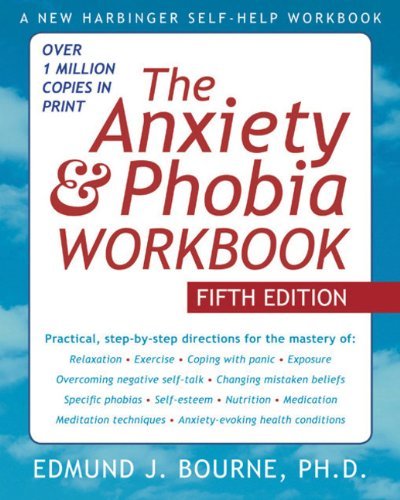
For those seeking a structured guide, “The Anxiety and Phobia Workbook” by Edmund Bourne is a highly recommended resource. This book encompasses comprehensive exercises and coping strategies designed to complement therapeutic practices. Readers will find step-by-step instructions that empower them to tackle various anxiety-related challenges, making it an invaluable companion for anyone navigating the complexities of anxiety and depression.
Finding the Right Therapist
Selecting the right therapist is a crucial step in managing anxiety and depression effectively. Given the diversity in therapy styles and approaches available, it is important to understand various factors when searching for a suitable mental health professional. Firstly, consider the qualifications of the therapist. Look for credentials such as licensing, certifications, and specialized training in dealing with anxiety and depression. This foundational information can guide you toward someone who is experienced and knowledgeable in the specific fields that matter.
Next, familiarize yourself with different therapy styles. Some therapists may use cognitive-behavioral therapy (CBT), while others might employ a psychodynamic approach or mindfulness-based techniques. Each style has unique methods and focuses, so it is beneficial to research which might align with your needs. Many therapists also offer a brief consultation, allowing you to discuss these preferences and gain insight into their style before committing to regular sessions.
Another significant factor to assess is compatibility. Feeling comfortable with a therapist can substantially influence the effectiveness of the treatment. During initial consultations, pay attention to your level of comfort and ease in discussing personal matters. It’s acceptable to ask questions about their experience with anxiety and depression, as well as any outcome measures they use to track progress over time.
Therapy sessions typically uphold a standard structure, beginning with a confidentiality agreement to ensure your privacy. This mutual understanding fosters an environment of trust, essential for addressing sensitive topics. Generally, sessions may last between 45 minutes to an hour, where the therapist guides the discussion while supporting you in expressing your thoughts and emotions freely.
Ultimately, your journey toward managing anxiety and depression hinges on the relationship you develop with your therapist. Invest the time in finding the right one, as this choice can significantly impact your overall mental health.
Conclusion
In managing conditions such as anxiety and depression, therapy plays an essential role in fostering emotional wellbeing. Professionals in the field of mental health are equipped with the tools and strategies needed to guide individuals through their struggles. The therapeutic process not only assists in addressing immediate concerns but also empowers clients with coping mechanisms and insights to navigate life’s challenges more effectively.
Regular interaction with a therapist can create a safe space where individuals are encouraged to express their thoughts and feelings without fear of judgment. This supportive environment is crucial for personal growth and can significantly enhance one’s resilience to stressors associated with anxiety and depression. The journey through therapy varies for each individual, but the significant theme remains that seeking help is a brave and commendable act.
It is important to highlight that recovery is a gradual process and may entail ups and downs. Nevertheless, with consistent commitment to therapy and mental health support, individuals have the opportunity to witness considerable improvements in their emotional state. By cultivating self-awareness and developing effective coping skills, those struggling with anxiety and depression can experience a more fulfilling life.
For anyone grappling with these mental health issues, reaching out for professional assistance can be a transformative step. It is crucial to acknowledge that one does not have to face these challenges alone. The possibilities for healing and growth are abundant, and through therapy, many have found joy and peace in their lives once more. Hope is a powerful motivator, and through the support of therapists, individuals can pave their path towards improved mental wellbeing.