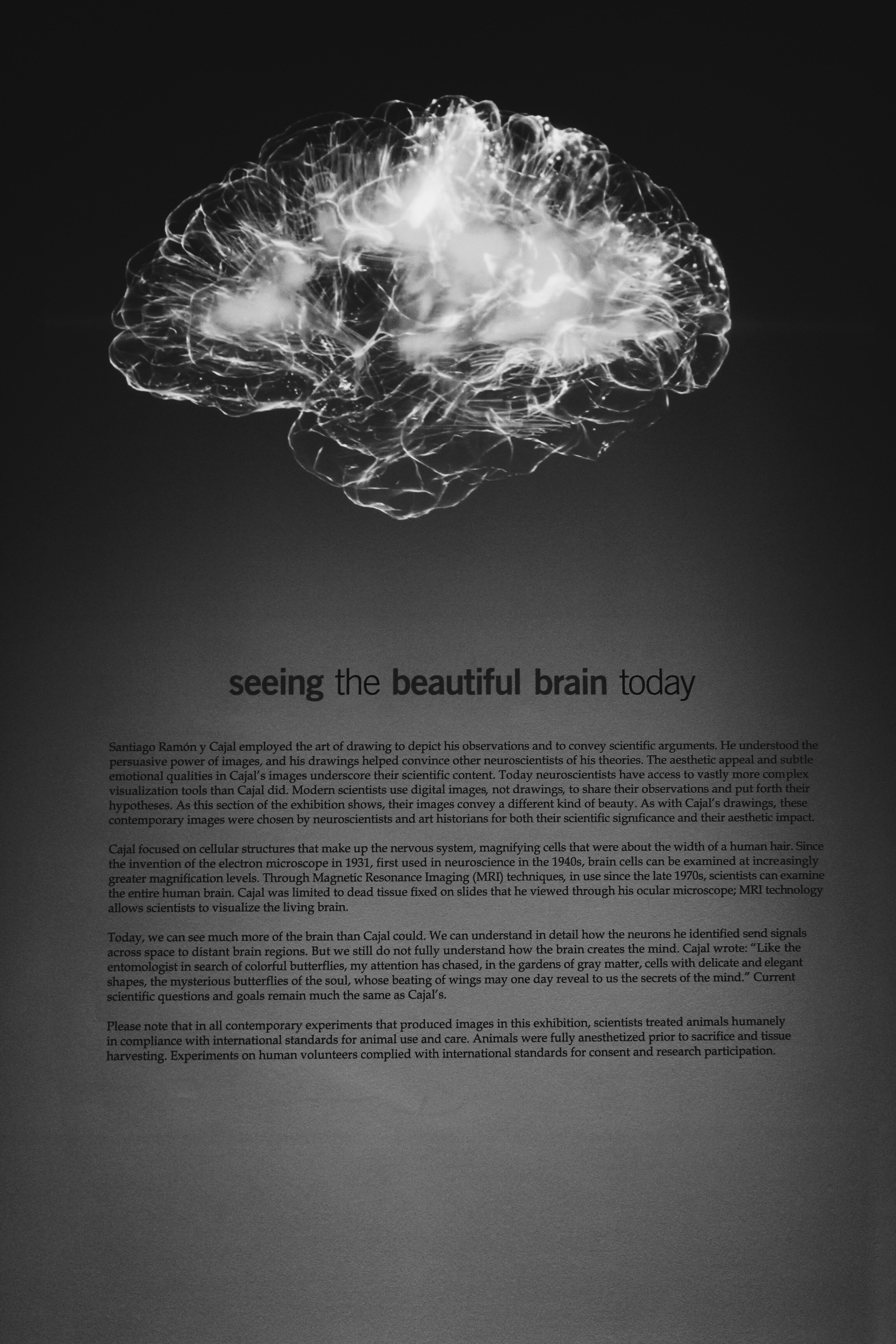
The Role of Neuroscientists
Neuroscientists play a crucial role in unraveling the complexities of the human brain, an intricate organ that governs behavior, emotions, and overall bodily functions. By integrating knowledge from various fields, including biology, chemistry, and psychology, these researchers strive to comprehend how brain structure and activity facilitate cognitive processes. Their work is instrumental in advancing our understanding of neurological disorders and developing effective treatments.
One of the primary areas of focus for neuroscientists is the exploration of brain functions. They investigate various components of the nervous system, such as neurons and neurotransmitters, to decipher how signals are transmitted throughout the brain. This understanding is fundamental as it helps explain how different regions of the brain contribute to specific behaviors, memory, learning, and overall cognitive function.
Neuroscientists utilize a multifaceted approach in their research, employing various methodologies to study the brain. A common technique is brain imaging, which includes functional magnetic resonance imaging (fMRI) and positron emission tomography (PET) scans. These imaging technologies allow scientists to observe brain activity in real-time, providing insights into which areas are activated during certain tasks. Additionally, behavioral studies provide valuable information about how changes in the brain correlate with alterations in behavior. These experiments often involve test subjects in controlled environments, analyzing responses to stimuli and correlating them with neurological observations.
Laboratory experiments also play a significant role in neuroscientific research. These controlled studies allow for the manipulation of specific variables to assess their effects on brain function. For instance, by studying animal models, researchers can explore the impacts of genetic modifications or environmental changes on cognitive processes. This rigorous examination of brain function, coupled with advanced methodologies, is vital for uncovering the underlying mechanisms that drive neurological health and dysfunction.
Major Discoveries in Neuroscience
Neuroscience has made remarkable strides in understanding the complexities of the human brain, particularly concerning memory, learning, and behavior. One of the pivotal discoveries was the identification of neural pathways involved in memory formation. Research has shown that the hippocampus plays a critical role in the consolidation of information from short-term memory into long-term memory. This has paved the way for interventions to enhance cognitive functioning and has implications for understanding various disorders related to memory loss.
In the realm of learning, neuroscientists have uncovered that the brain exhibits plasticity, which is the ability to reorganize itself by forming new neural connections throughout life. This revelation has led to better educational strategies that leverage individual learning processes, enabling us to utilize techniques such as spaced repetition and active learning methodologies. Understanding these neural processes not only enriches our comprehension of how individuals learn but also highlights potential avenues for personalizing education based on neurological profiles.
Furthermore, neuroscience has substantially contributed to the understanding and treatment of mental health issues. Research focused on brain chemistry has illuminated the neurobiological underpinnings of conditions such as depression and anxiety, fostering the development of more effective therapeutic methods. For example, the role of neurotransmitters like serotonin and dopamine has been extensively studied, leading to advancements in pharmacological treatments and psychotherapy techniques aimed at alleviating symptoms of these mental health disorders.
Moreover, the investigation into neurological disorders such as Alzheimer’s and Parkinson’s disease has significantly informed how we approach prevention, diagnosis, and treatment. Discoveries concerning the accumulation of proteins in the brain and the deterioration of neural cells have initiated discussions about innovative approaches to manage and potentially reverse these debilitating conditions.
Inspiring Minds
Neuroscience, an interdisciplinary field dedicated to understanding the complexities of the brain, has been greatly enriched by numerous exceptional minds throughout history. Among these figures, Santiago Ramón y Cajal stands as a pivotal character in the advancement of neural science. Celebrated as the father of modern neuroscience, Cajal’s groundbreaking work on the structure of the nervous system earned him the Nobel Prize in Physiology or Medicine in 1906. His detailed illustrations of neurons laid the foundation for our understanding of neuroanatomy, allowing future generations of neuroscientists to explore the intricacies of brain connectivity.
Another significant contributor to neuroscience is Oliver Sacks, whose insightful narratives on neurological disorders brought attention to the human experience of brain dysfunction. His book, “Awakenings,” which recounts the effects of a groundbreaking treatment on patients in a comatose state, humanizes the study of neuroscience and emphasizes the potent relationship between brain health and personal identity. Sacks’ ability to translate complex neurological phenomena into relatable stories has inspired many to explore the field further.
In contemporary times, David Eagleman has emerged as a thought leader in neuroscience. His book, “The Brain: The Story of You,” serves as a vital resource for both enthusiasts and students of brain science. Eagleman’s writing is notable for its clarity and engagement, making complex neuroscience concepts accessible to a broader audience. In this book, he delves into the workings of the human brain, effectively illustrating how our experiences and environment shape our identities. Through such literature, readers are encouraged to contemplate the profound implications of neuroscience on understanding consciousness and behavior, ultimately inviting them to contribute to their educational journey within the realm of neuroscience.
Applying Neuroscience to Daily Life
Neuroscience provides a vast array of insights that can profoundly enhance our daily lives. By understanding how the brain works, we can adopt practices that improve cognitive function and emotional well-being. One fundamental aspect of neuroscience is the concept of neuroplasticity, which suggests that our brains can reorganize themselves throughout our lives in response to learning and experience. This principle can be utilized to cultivate better thinking habits, improve memory, and foster emotional regulation.
To enhance cognitive function, it is beneficial to engage in activities that challenge the brain. Activities such as puzzles, reading, or learning a new language stimulate different areas of the brain, promoting the development of new neural connections. Such practices can not only enhance memory but also improve focus, allowing individuals to concentrate better on tasks.
Incorporating physical exercise into your daily routine is equally important, as research indicates that regular physical activity stimulates the release of neurotrophic factors that support neuron health. Exercise has also been shown to reduce anxiety and depression, contributing positively to emotional well-being. Therefore, aiming for at least 30 minutes of moderate physical activity several times a week can be beneficial.
Mindfulness meditation is another effective tool drawn from neuroscience research. Practicing mindfulness helps individuals develop greater emotional regulation by increasing awareness of thoughts and feelings. This practice can enhance focus and decrease stress levels. Starting with just a few minutes a day can yield significant benefits over time.
For those seeking further insight into these practices and how they relate to the functioning of the brain, “The Brain: The Story of You” offers a compelling exploration of the neural underpinnings of our daily experiences. This resource encourages readers to delve deeper into how neuroscience can transform everyday life, promoting a healthier, more balanced approach to mental and emotional wellness.