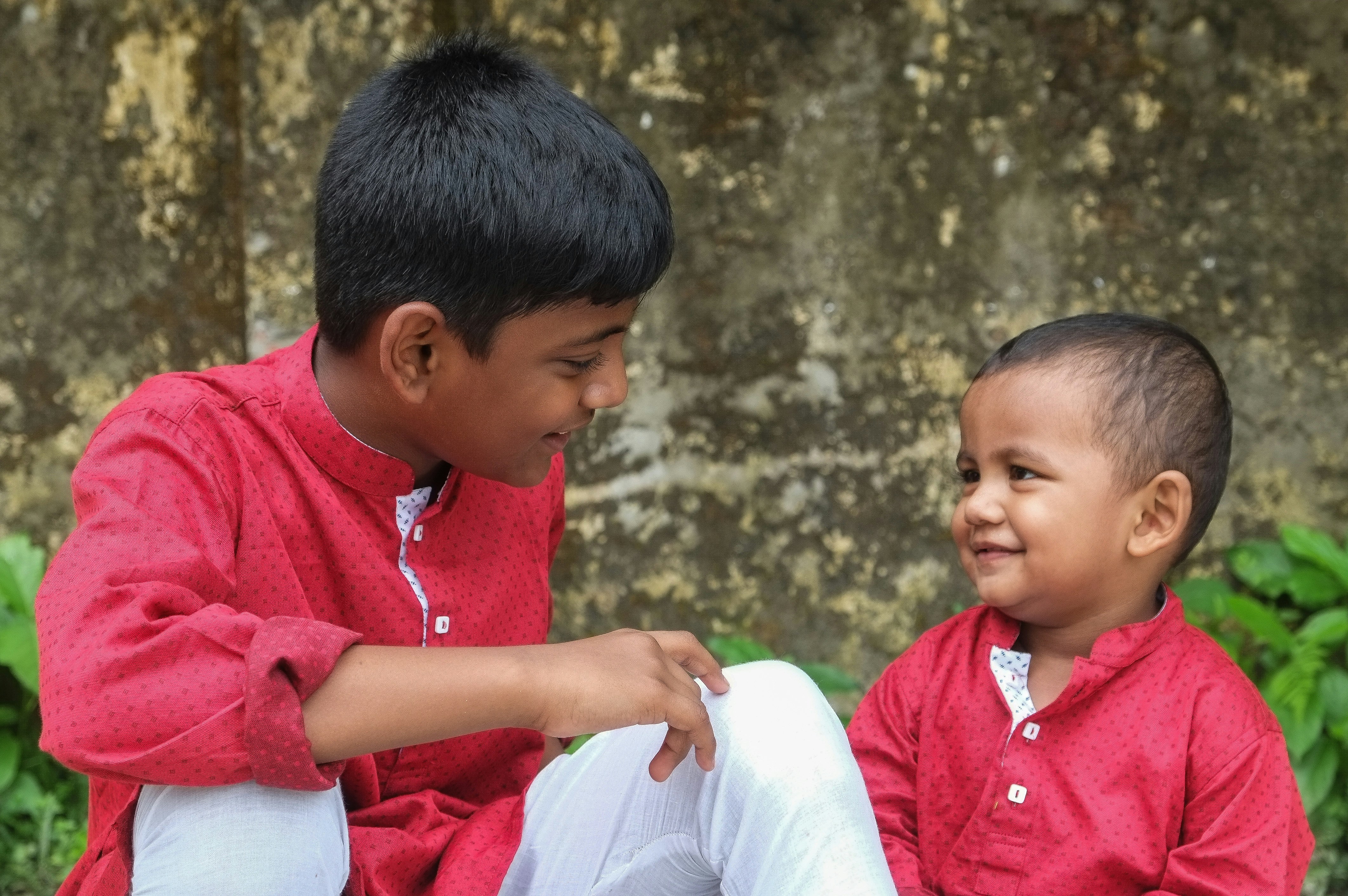
The Concept of Kindred Spirits
The term ‘kindred spirit’ refers to a deep, intrinsic connection between individuals that transcends the ordinary bounds of friendship or companionship. This connection is often characterized by an uncanny sense of familiarity and mutual understanding. Unlike typical relationships that may thrive on shared interests or social interactions, kindred spirits share a profound emotional and spiritual bond that resonates at a much deeper level. The essence of such relationships lies in the ease and calmness that accompany them, allowing individuals to be their authentic selves without fear of judgment or conflict.
In essence, having a kindred spirit means discovering a person who mirrors your thoughts, feelings, and even dreams, creating a sanctuary of understanding and support. These bonds often develop organically, arising out of shared experiences, beliefs, or life journeys that align closely, leading to an almost telepathic communication and a feeling of being ‘at home’ with the other person.
This remarkable connection is often devoid of the intensity or drama that may characterize many modern relationships. Instead, the interaction between kindred spirits is typically smooth, nurturing, and infuses a sense of peace. This sense of calmness is crucial, as it helps individuals navigate through life’s challenges, knowing there’s someone who truly comprehends their essence. Furthermore, kindred spirits often encourage each other’s spiritual growth, providing emotional scaffolding while empowering one another to pursue their true potential.
Ultimately, the experience of connecting with a kindred spirit enhances one’s life, providing companionship that feels naturally harmonious. The significance of these kinds of relationships lies not only in their rarity but also in their ability to foster a profound sense of belonging and acceptance in a complex world.
Indigo Children: Who Are They?
The term “Indigo Children” emerged in the 1970s, popularized by Nancy Ann Tappe, a parapsychologist who identified a specific color—indigo—associated with certain children. This phenomenon is encapsulated by the belief that these children possess unique traits and a heightened sense of awareness that differentiates them from their peers. Described often as empathetic, intuitive, and highly creative individuals, Indigo Children are believed to have come to this world with a special purpose, aiming to bring about positive change and transformation.
One hallmark characteristic of Indigo Children is their ability to sense energies and emotions in those around them, often described as being highly sensitive or empathic. This sensitivity enables them to connect with others on a deeper emotional level, fostering calm and harmonious relationships. Additionally, many Indigo Children display strong convictions and a desire to challenge authority, as they are often critical of conventional systems and norms that do not align with their ideals.
Furthermore, Indigo Children are said to possess extraordinary creative abilities, allowing them to express their thoughts and feelings in ways that resonate with others. These artistic inclinations may manifest in various forms, including visual arts, music, or writing. This creativity often serves as a medium for them to explore and convey complex emotions and insights, further enhancing their connection to the world.
Despite the positive attributes associated with Indigo Children, there are challenges they may face in traditional educational or social settings that often do not accommodate their unique learning styles. This discrepancy can lead to feelings of isolation or frustration. Understanding Indigo Children requires a shift in perspective, recognizing their value as potential catalysts for change and promoting acceptance of their distinctive traits.
Connections between kindred spirits often invoke a sense of calmness, setting them apart from more intense relationships. This tranquility is rooted in several psychological and spiritual dimensions that define how these bonds form and thrive. One of the key elements contributing to this serene experience is emotional intelligence. Individuals connected as kindred spirits typically possess high emotional awareness, allowing them to understand and respect each other’s feelings. Consequently, this mutual recognition fosters a safe environment where vulnerability can flourish without fear of judgment.
Moreover, shared values and goals intensify the calmness inherent in these relationships. When individuals resonate on fundamental principles and dreams, they develop a mutual understanding that eradicates the friction often found in superficial connections. This alignment empowers them to navigate challenges harmoniously, ultimately creating an atmosphere of peace and support. For instance, two friends who are both passionate about social justice can engage in deep discussions while feeling grounded, knowing they share a common purpose.
Furthermore, anecdotes illustrate the profound tranquility associated with kindred spirit connections. Consider a scenario where two individuals, meeting for the first time, instantly relate on various life experiences and philosophies. This recognition can lead to moments of laughter, shared stories, and an immediate feeling of belonging. They find comfort in knowing that their thoughts and experiences are validated within the partnership, which can be deeply calming.
Overall, the serenity characterizing kindred spirit connections can be attributed to their inherent emotional intelligence, shared values, and deeper understanding of each other’s backgrounds, allowing them to form relationships steeped in tranquility rather than chaos. These connections serve as a refuge from the complexities of life, embodying a harmonious balance of support, understanding, and shared experiences.
Cultivating Kindred Spirit Relationships as an Indigo Child
Indigo children are known for their heightened sensitivity, empathy, and ability to forge deep connections. Understanding how to cultivate kindred spirit relationships can significantly enhance their emotional well-being. The first step in recognizing these unique connections is through self-awareness. Indigo children should take time to reflect on their emotions, desires, and values. This self-reflection allows them to understand what they seek in a kindred spirit and helps them recognize others who resonate with their energy.
Emotional regulation plays a crucial role in nurturing these relationships. Indigo children often experience intense emotions, which can lead to overwhelming feelings and challenges in social interactions. Learning techniques such as mindfulness or meditation can help these individuals manage their emotions effectively. By maintaining emotional balance, they can approach potential kindred spirits with a clear mind and an open heart, fostering more meaningful connections.
Creating an environment that encourages peaceful relationships is also vital. Indigo children thrive in spaces where they feel safe and supported. This might involve seeking friendships among like-minded individuals, where mutual understanding and respect are prioritized. Engaging with communities that share similar interests or values can help in discovering kindred spirits. Whether through online platforms or local meetups, finding spaces that nurture calm, authentic interactions can have a profound impact.
Finally, open communication is essential in strengthening kindred spirit connections. Indigo children should practice expressing their thoughts and feelings honestly to cultivate trust and understanding. As they engage with others, it is important to listen actively, showing genuine interest in their experiences and perspectives. This reciprocal exchange not only deepens bonds but also enhances the overall quality of relationships. By actively seeking out and nurturing connections with kindred spirits, Indigo children can create a supportive network that enriches their lives.