
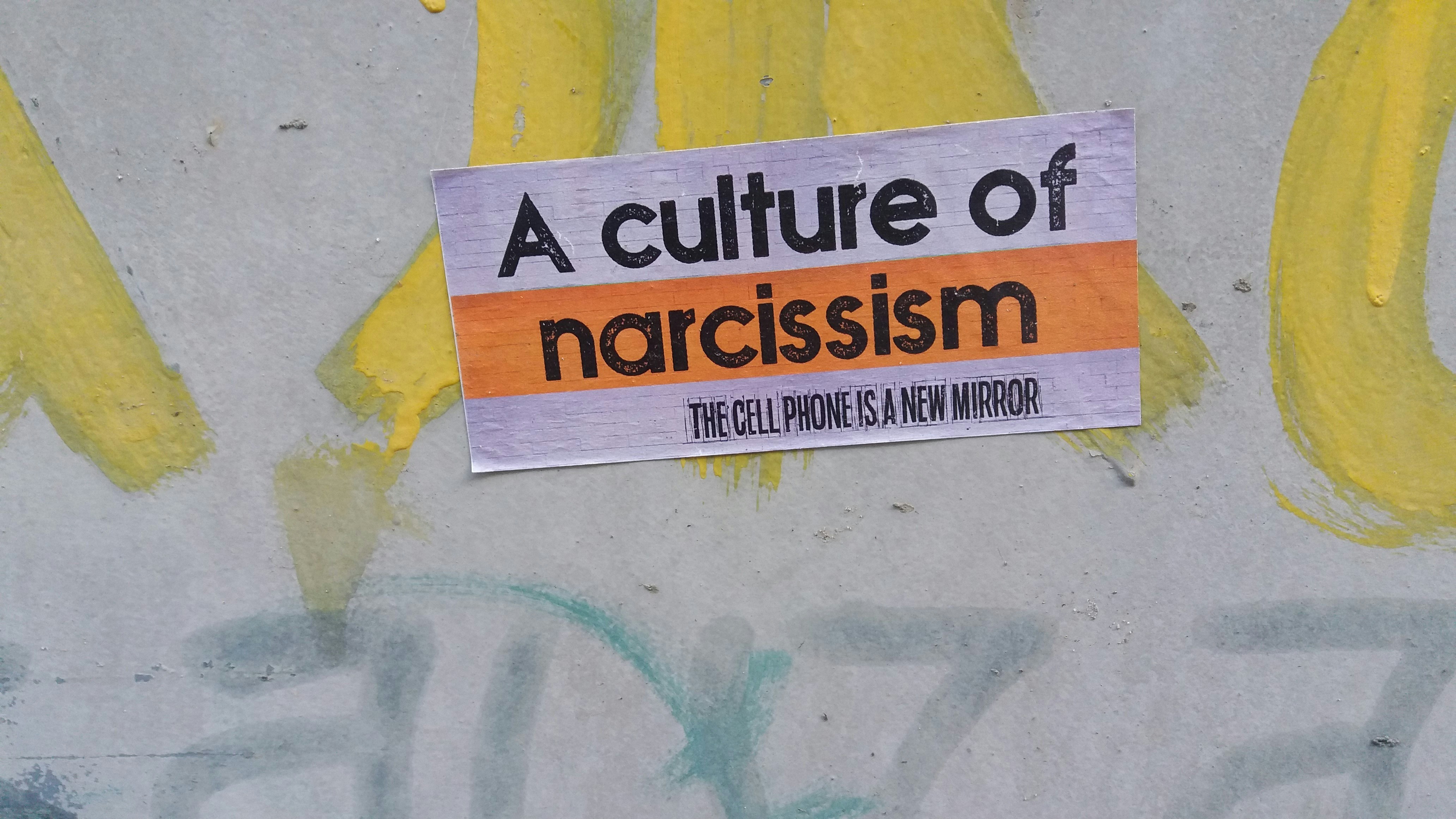
Understanding Narcissism: What It Means in a Relationship
Narcissism is a personality trait characterized by an inflated sense of self-importance, an overwhelming need for excessive admiration, and a significant lack of empathy for others. In the context of romantic relationships, narcissistic behaviors can create a severe imbalance, often leading to emotional distress for partners. Recognizing these traits early on can be crucial in understanding the dynamics of a budding relationship.
Individuals with narcissistic personalities typically exhibit behaviors such as a deep preoccupation with their self-image, seeking validation and praise from others to sustain their self-esteem. This need for admiration can overshadow the needs and feelings of their partners. They may dominate conversations, often steering them back to their accomplishments or problems, leaving little room for genuine connection or dialogue about mutual interests.
An important aspect of narcissism is the chronic lack of empathy. These individuals struggle to recognize or care about their partner’s emotions or needs, which can lead to feelings of neglect and emotional unavailability. The combination of self-centeredness and low emotional reciprocity often marks a relationship with a narcissist as one-sided. The partner may find themselves questioning their self-worth, feeling as though they are walking on eggshells to maintain the relationship.
Understanding these characteristics is essential for anyone entering a relationship and can help in identifying early signs of narcissism in a potential partner. Awareness of narcissistic traits not only aids individuals in navigating their romantic lives but also fosters healthier relationship dynamics and promotes emotional well-being. Recognizing these red flags early may protect from future heartaches and ensure healthier relational boundaries are established.
Early Warning Signs of a Narcissistic Partner
Identifying a narcissistic partner early in a relationship can be challenging due to the often charming facade they present. Initially, many individuals with narcissistic tendencies may appear overwhelmingly charismatic, using their charm to draw others in. This excessive charm can create an illusion of deep connection, but it may actually serve as a calculated strategy to captivate potential partners.
Another early sign to consider is the tendency of narcissists to dominate conversations. They often steer discussions towards themselves, showcasing their achievements while showing little genuine interest in the thoughts and feelings of others. During early interactions, if one partner consistently redirects dialogue back to their experiences without reciprocating or engaging with their partner’s sentiments, this may indicate underlying narcissistic traits.
A lack of empathy is a hallmark of narcissism. This often manifests as an inability to recognize or respect the emotions of others. For instance, if a partner dismisses your feelings, trivializing your experiences or displaying frustration when you express your emotions, it may serve as a red flag. They may rationalize their behavior by arguing they are simply being practical, but this disregard for your emotional needs can signify deeper issues.
Moreover, the narcissistic need for constant validation can also be an alarming indicator. Individuals with such tendencies often seek reassurance and approval from others while contributing little in return. For example, if a partner frequently requires compliments or validation following their achievements but shows no interest in acknowledging your successes, it can suggest an unhealthy relational dynamic.
These signs may appear subtle at first, often disguised as normal relationship behaviors, yet recognizing them early can be crucial. By being aware of these early warning signals, individuals can take proactive steps in safeguarding their emotional well-being and making informed decisions about their relationships.
The Impact of Narcissistic Behavior in Relationships
The presence of narcissistic behavior within a romantic relationship profoundly affects the emotional and psychological well-being of the partner who does not exhibit these traits. Initially, individuals may find themselves caught in the thrill of idealization, where they receive an abundance of praise and admiration from their narcissistic partner. This phase, often characterized by excessive charm and attention, can lead to feelings of euphoria and validation.
However, this idealization is frequently short-lived and is often followed by a phase of devaluation. Narcissists are known for their unpredictable behavior, which can manifest as sudden criticism, emotional withdrawal, or even overt manipulation. As the non-narcissistic partner experiences this fluctuating treatment, they may become confused about their partner’s feelings, leading to self-doubt and questioning of their self-worth. The cycling between idealization and devaluation creates a toxic dynamic that not only fosters emotional instability but also undermines the partner’s ability to maintain a positive self-image.
The toll of being in a relationship with a narcissistic individual can manifest as heightened anxiety, depression, and feelings of inadequacy. Over time, the enduring impact of these experiences can lead to an erosion of self-esteem, where the individual may struggle to reclaim their sense of identity. Furthermore, the emotional rollercoaster caused by this kind of relationship can have lasting implications, affecting future relationships and overall mental health.
In summary, recognizing the impact of narcissistic behavior is vital for anyone navigating a relationship with such an individual. Understanding the emotional turmoil associated with the cycle of idealization and devaluation can empower individuals to seek support and ultimately make informed decisions about their well-being.
How to Protect Yourself and Recognize Healthy Relationships
Understanding how to safeguard oneself against narcissistic relationships is fundamental to fostering healthy connections. Establishing clear personal boundaries is an essential first step. Healthy boundaries enable individuals to communicate their limits and expectations effectively, ensuring that both parties maintain a level of respect. For instance, if a partner frequently dismisses your emotions, articulating your need for acknowledgment and sensitivity can establish a foundation of mutual respect and understanding.
Furthermore, it is essential to recognize genuine versus superficial behaviors in potential partners. Narcissistic individuals often exhibit charm and charisma that may initially appear attractive, but these traits can mask underlying manipulative tendencies. Observing actions over words is crucial; consistent kindness and empathy often signify authenticity, whereas erratic or self-serving behavior may indicate ulterior motives.
The significance of open communication cannot be overstated in healthy relationships. Transparent discussions regarding feelings, boundaries, and needs allow for constructive dialogue and conflict resolution, which are vital for relationship longevity. Encourage a space where both partners feel safe to express their thoughts without fear of retaliation or emotional gamesmanship.
In addition to these practical steps, it is important to recognize the qualities that constitute healthy relationships. Mutual respect, trust, and the ability to support one another emotionally are the cornerstones of a balanced partnership. Partners should not be solely focused on one another’s needs; rather, they should cultivate respect for individuality and personal growth. Recognizing and promoting these qualities within relationships can empower individuals to build supportive connections that are resilient against the vulnerabilities of narcissism.
