What Are Soul Ties?
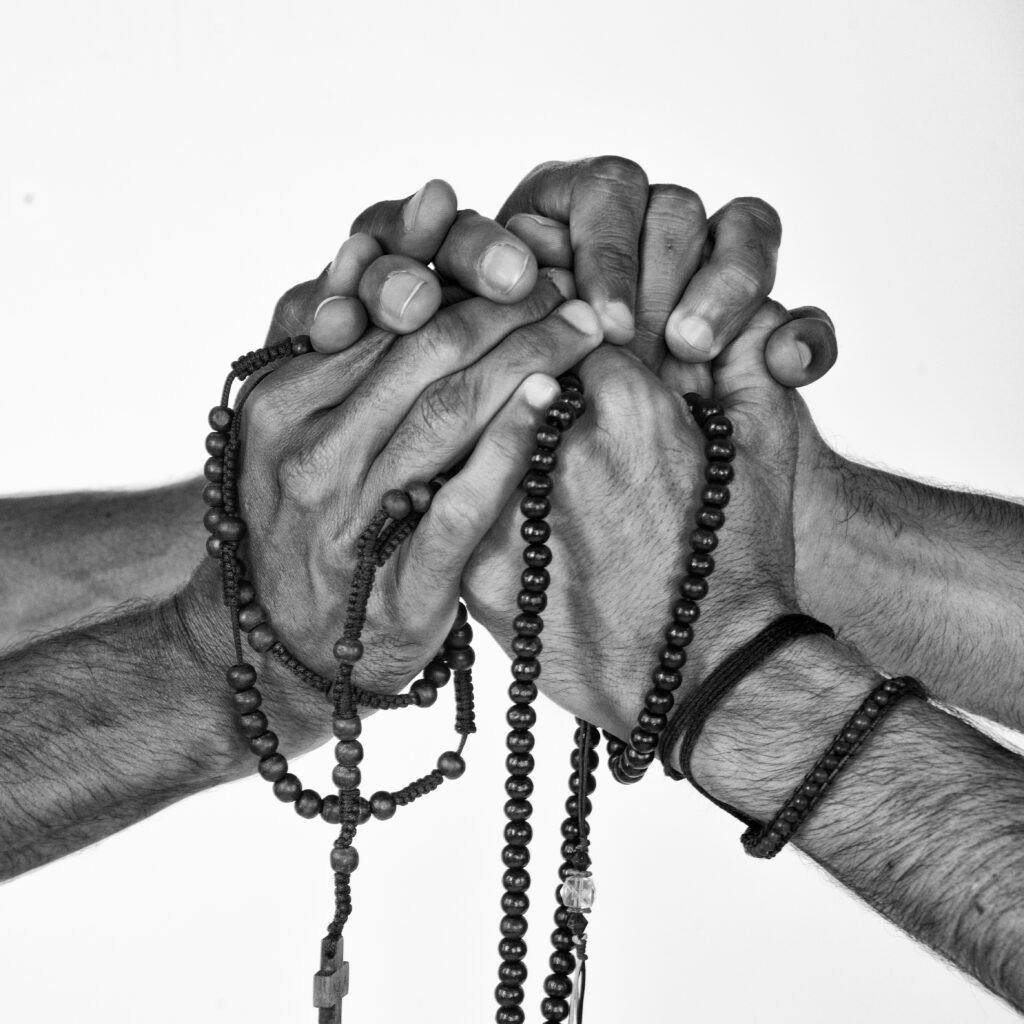
Soul ties are often described as deep emotional or spiritual connections that individuals form with one another, tying their souls together in significant ways. This concept has roots in various cultural, spiritual, and psychological belief systems, where it is viewed as an innate bond that can greatly influence relationships. A soul tie can be formed through intimacy, shared experiences, or even trauma, creating a lasting link that cannot be easily severed. It is essential to understand that these ties can be both positive and negative, shaping how individuals interact and process their emotions.
The origins of the term can be traced back to religious texts, particularly within Christianity, where it is believed that intimate relationships can lead to the creation of soul ties. However, the understanding of soul ties extends beyond religious boundaries; many cultures recognize the profound impact of relationships on one’s life experience. The concept can be correlated with notions such as attachment, bonding, and interdependence in psychology, emphasizing the importance of connections between individuals.
Types of Soul Ties
Soul ties can be categorized into several types, primarily focusing on healthy and unhealthy connections. Healthy soul ties are typically formed through nurturing and supportive relationships, where individuals feel a sense of belonging and emotional stability. Such ties often emerge in friendships, romantic partnerships, or strong familial relationships where mutual respect and understanding exist. These connections foster personal growth and encourage individuals to thrive, enhancing overall emotional and mental well-being.
In contrast, unhealthy soul ties arise from toxic relationships that may lead to emotional distress. These can form in various contexts, including dysfunctional friendships, abusive romantic relationships, or even in certain family dynamics. For instance, a friendship characterized by manipulation and control may create a detrimental soul tie, where one individual feels emotionally drained or dependent on the other, despite the negative ramifications.
An example of a healthy soul tie could be the bond formed through shared experiences between close friends who support each other’s aspirations and well-being. In this scenario, both parties contribute positively to one another’s lives, underscoring the nature of a balanced and fulfilling relationship. Conversely, an unhealthy soul tie might occur in a relationship where one partner is overly possessive, resulting in the other feeling trapped and anxious.
Soul ties can also manifest through brief relationships, such as a passionate romance that becomes all-consuming. These types of ties might lead to significant emotional investment, occasionally resulting in long-lasting impacts on a person’s psyche even after the relationship has ended. Recognizing the nature of these ties is essential for individuals to navigate their relationships effectively and maintain emotional health.
The Effects of Soul Ties on Personal Relationships
Soul ties represent deep emotional connections that can significantly influence personal relationships. These connections may be formed through intimate interactions, shared experiences, or emotional investments in one another’s lives. As a result, they can lead to a variety of effects, both positive and negative, that shape the dynamics of relationships.
On one hand, strong soul ties can foster attachment and loyalty between individuals. Relationships characterized by positive soul ties often exhibit a sense of trust, warmth, and mutual respect. Such connections can encourage partners to support one another’s personal growth, enhancing their overall emotional well-being. This sense of connection allows individuals to feel more secure, fostering openness and effective communication, which are essential for healthy relationships.
Conversely, not all soul ties are beneficial. Negative soul ties can foster dependency, where one partner may feel an overwhelming need for the other, undermining their independence and personal development. In extreme cases, these ties can lead to toxic relationship dynamics, characterized by manipulation, control, and emotional trauma. Individuals who find themselves in such situations could experience feelings of entrapment, hindering their ability to form healthy attachments in the future.
Moreover, unresolved issues stemming from negative soul ties can lead to lingering emotional scars, affecting one’s capability to trust and connect genuinely with future partners. Understanding the implications of these ties is crucial for anyone seeking to improve their relationship dynamics. By recognizing both the positive and detrimental effects of soul ties, individuals can engage in self-reflection, ultimately promoting personal growth and healthier, more fulfilling relationships.
How to Manage and Heal from Soul Ties
Effectively managing and healing from unhealthy soul ties is vital for personal well-being and emotional health. The first step in addressing these connections is identifying the nature of the soul ties present in one’s life. Recognizing whether a connection is positive or negative can help in determining the appropriate course of action. Laboring under toxic soul ties can lead to emotional distress, hence understanding the dynamics involved is essential.
Setting healthy boundaries is crucial when dealing with soul ties that are detrimental. Boundaries allow individuals to safeguard their emotional energy and mental space. This may involve limiting contact with persons who represent unhealthy ties or articulating one’s needs and expectations to those involved. An open dialogue concerning personal limits can greatly improve relationship dynamics and foster healthier connections.
Another important aspect is to engage in self-reflection. By examining one’s own feelings and motivations, individuals can assess their emotional states and identify patterns that may perpetuate unhealthy ties. Journaling can serve as a beneficial tool in this process, helping to clarify thoughts and emotions related to specific relationships. Individuals may also seek professional support through counseling or therapy, which can provide deeper insights and coping strategies.
Self-care practices play a significant role in healing from soul ties. Engaging in activities that promote mental and emotional well-being—such as meditation, exercise, and spending time in nature—can help individuals regain their sense of self. Additionally, surrounding oneself with supportive friends and family who encourage healthy connections can foster an environment conducive to healing.
In conclusion, managing and healing from soul ties requires a multifaceted approach that includes identifying unhealthy connections, setting boundaries, engaging in self-reflection, and prioritizing self-care. By implementing these strategies, individuals can cultivate healthier relationships and foster emotional resilience.