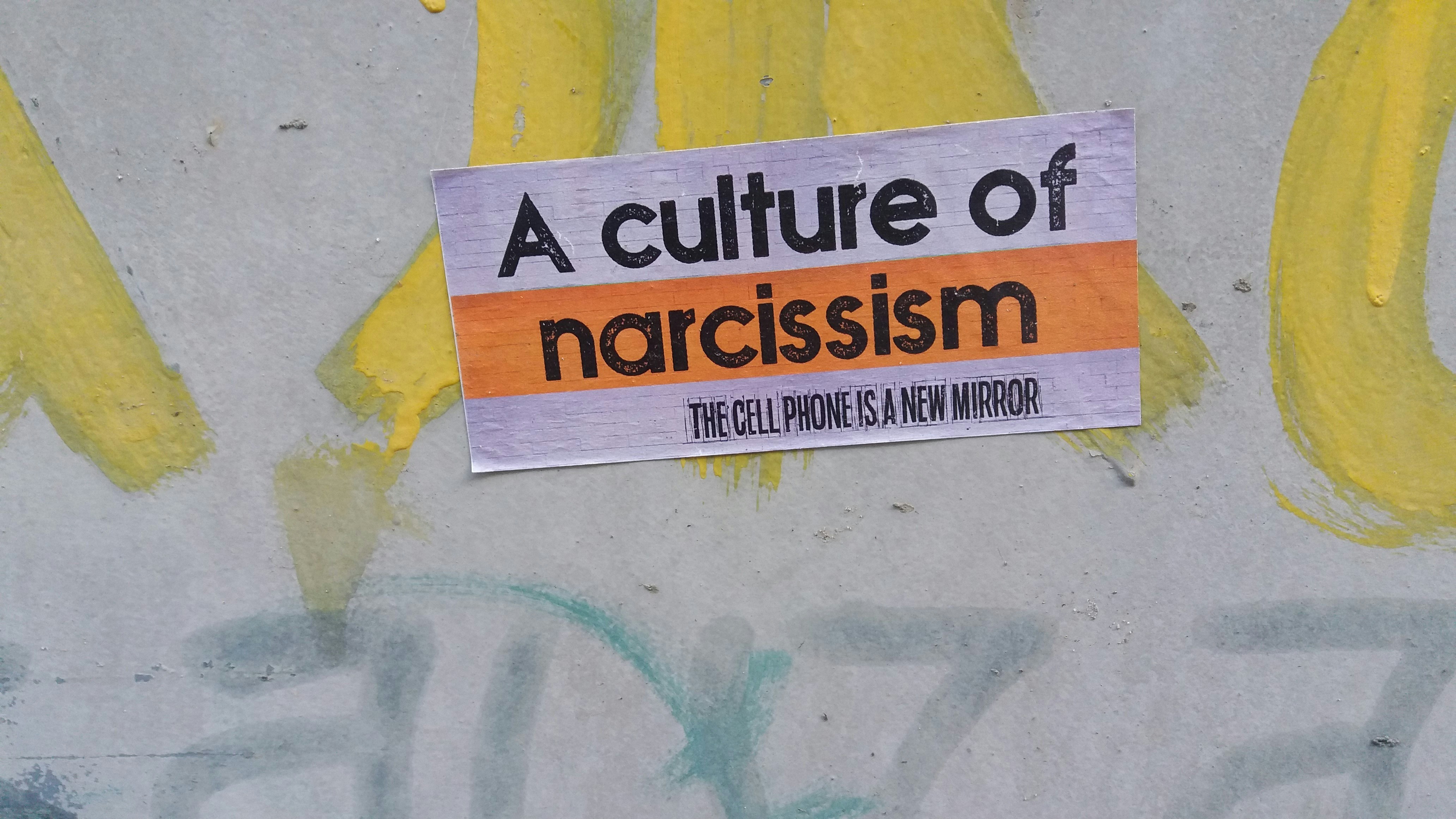
What is Narcissism and Its Connection to Empathy?
Narcissism is a complex personality trait characterized by an inflated sense of self-importance, a deep need for admiration, and a distinct lack of empathy for others. Traditionally, narcissism is classified into two main categories: grandiose and vulnerable. Grandiose narcissists are overtly confident, often displaying arrogance and entitlement, whereas vulnerable narcissists exhibit sensitivity to criticism and often harbor feelings of inadequacy. Both types, however, often struggle with meaningful interpersonal connections, primarily due to their empathy deficit.
The psychological roots of narcissism can be traced back to various factors, including early childhood experiences, attachment styles, and socio-cultural influences. In some cases, excessive pampering or criticism during formative years can lead to the development of narcissistic traits. This upbringing shapes an individual’s self-view, resulting in a perception of themselves as superior, thereby impairing their ability to empathize with others.
The connection between narcissism and empathy is profoundly intertwined. While healthy self-esteem plays a crucial role in fostering emotional connections, narcissistic behavior often creates a significant empathy gap. Individuals with narcissistic traits may struggle to engage with others’ emotions authentically, as they frequently prioritize their needs and feelings above those of others. This inability to empathize not only hampers their relationships but also perpetuates their inner cycle of self-focus. As a result, the empathy gap in narcissistic personalities can lead to feelings of isolation, both for the narcissist and their loved ones.
In understanding narcissism, it is essential to differentiate between healthy self-esteem and maladaptive narcissism. While self-esteem contributes to confidence and self-worth, narcissism distorts this by undermining empathy, resulting in a fundamentally unhealthy relational dynamic.
The Empathy Gap: Understanding Its Impact on Narcissists
The concept of the empathy gap is crucial for understanding the behavior of narcissists. This gap refers to a significant inability or unwillingness to experience and understand the emotions of others, which is a defining characteristic of narcissistic personality disorder. Narcissists often exhibit little to no compassion, leading to difficulties in forming meaningful relationships. This lack of empathy can manifest in various interpersonal scenarios, compounding misunderstandings and conflict.
Narcissists may struggle to recognize or validate the feelings of those around them. Instead of showing compassion in response to someone’s pain or distress, they might react with criticism, indifference, or even hostility. This dynamic can result in feelings of rejection and confusion for those interacting with them, as they may not understand why their emotional needs are unmet. For instance, in a situation where a partner seeks emotional support after a distressing event, a narcissist is more likely to redirect the conversation back to themselves, further widening the empathy gap.
The implications of this gap extend beyond individual relationships. On a broader scale, the empathy gap in narcissists can contribute to toxic group dynamics, emotional abuse, and societal issues. For example, narcissistic leaders may make decisions that disregard the welfare of their team or community, leading to resentment and low morale. Moreover, their inability to recognize and value others’ emotions can create environments where people feel devalued or overlooked.
Ultimately, understanding the empathy gap is essential for those who may be affected by narcissistic behavior. By recognizing the signs of this gap, individuals can better navigate relationships with narcissists and establish healthy boundaries. Raising awareness of the empathy gap may also promote more fruitful discussions about the importance of empathy within our wider interactions and environments.
Cold Responses: Understanding the Lack of Emotional Support
Narcissists are often characterized by their unique ability to display cold responses, which are indicative of their emotional detachment from others. These responses can manifest in various forms, such as dismissive remarks, lack of interest in others’ feelings, or even outright indifference in times of distress. It is essential to recognize that these cold behaviors are not merely social faux pas, but rather symptomatology of a deeper psychological disposition.
In communication, this emotional void can be starkly apparent. For example, during a personal crisis, a person might seek solace by sharing their feelings with a friend or loved one, only to be met with a narcissist’s unemotional reaction. This reaction may include statements such as, “You’re overreacting,” or a quick change of subject that shifts focus away from the distressed individual. Such interactions can leave the distressed party feeling invalidated and isolated, highlighting the empathy gap that exists between their experiences and the narcissist’s responses.
Furthermore, in relationships, these cold responses can lead to significant emotional turmoil. Individuals involved with a narcissist may often find themselves questioning their self-worth, as their attempts to connect on an emotional level are frequently met with apathy or even scorn. This behavior creates a cycle of emotional dependency, wherein the narcissist’s coldness drives the other individual to crave reassurance, even if it only comes sporadically.
Ultimately, understanding the nature of these cold responses can provide insight into the behavior of narcissists and help those affected by their actions navigate the complexities of such relationships. Recognizing their emotional detachment serves not only to explain the narcissist’s behavior but also aids in acknowledging the profound effects it can have on others, leading to feelings of distress and invalidation.
Coping with Narcissists: Strategies for Dealing with Their Limited Empathy
Engaging with narcissists can be particularly challenging due to their distinct lack of empathy, which often manifests as emotional manipulation, disregard for others’ feelings, and an overwhelming need for control. To effectively navigate such relationships and protect one’s mental well-being, it is crucial to adopt practical coping strategies.
Firstly, establishing clear boundaries is essential. Boundaries help define acceptable behaviors and set limits on emotional investment. When interacting with a narcissist, it is vital to communicate these boundaries assertively. This might involve expressing what behaviors are unacceptable or clarifying what one is not willing to tolerate. Remaining consistent in upholding these boundaries can serve as a protective measure against the emotional turmoil that often accompanies such relationships.
Secondly, recognizing emotional manipulation techniques is important. Narcissists tend to use tactics such as gaslighting or guilt-tripping to undermine their victims’ self-esteem and maintain control. By being alert to these strategies, individuals can better protect themselves from feeling disoriented and trapped. Keeping a journal can assist in tracking these patterns and help reaffirm one’s reality, which is particularly crucial when manipulation occurs.
Additionally, seeking support from trusted friends, family members, or mental health professionals can provide necessary validation of one’s experiences. Talking through feelings and shared experiences can mitigate feelings of isolation and provide insights into coping strategies. Joining support groups or engaging in therapy can be especially beneficial in fostering emotional resilience.
In conclusion, coping with a narcissist requires a structured approach that emphasizes boundary-setting, awareness of manipulation, and seeking social support. By implementing these strategies, individuals can safeguard their emotional health while navigating the complexities of relationships with narcissists.