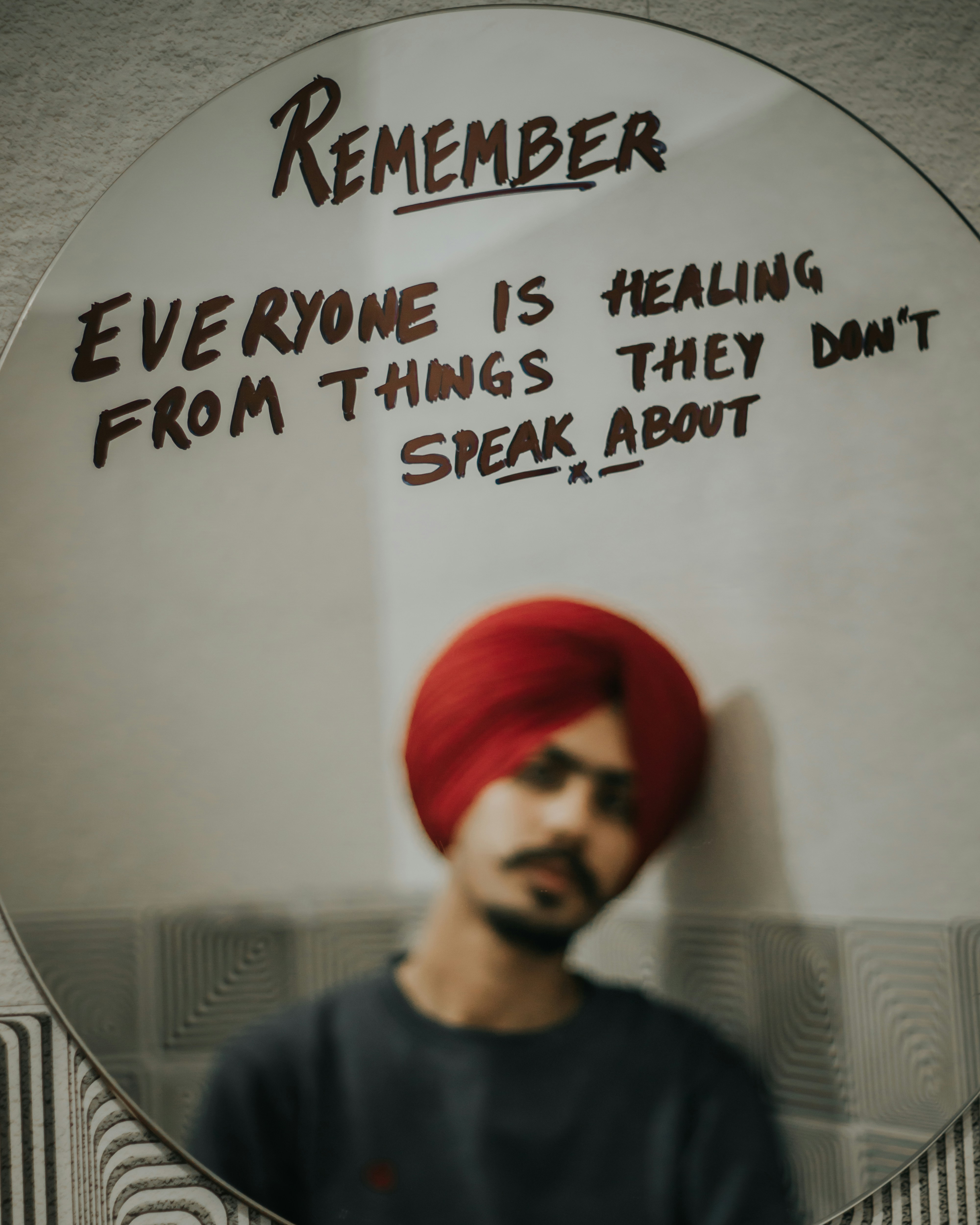
Healing can often be a tumultuous journey, accompanied by numerous challenges that can feel overwhelming. Here are five significant pain points individuals commonly face during the healing process:
1. Feelings of Loneliness: One of the most profound struggles encountered in healing is the sense of isolation. Individuals often find it difficult to express their pain or seek support from others, leading to feelings of loneliness. This emotional distance can intensify their suffering, making the healing process feel even more daunting.
2. Deep Emotional Pain: The journey of healing frequently involves confronting past traumas or unresolved emotional pain. This resurfacing of difficult memories can be excruciating and may evoke a range of emotions, such as grief, anger, or despair. The weight of these feelings can hinder progress, making it appear as if healing is an insurmountable task.
3. Fear of Change: Change is often a natural part of the healing process, yet it can instigate fear and resistance. Many individuals grapple with apprehensions about what their future will look like post-healing. This fear can manifest as anxiety about stepping into the unknown, creating an internal struggle that complicates their path to recovery.
4. Confusion About Self-Identity: As one undertakes healing, the question of self-identity can arise. Individuals may face uncertainty regarding who they are without their pain or trauma. This confusion can be disorienting and may lead to a feelings of loss as they seek to redefine themselves in a healthier state.
5. Pressure of Societal Expectations: Society often imposes expectations regarding emotional resilience and the timeline for recovery. This pressure can create an additional layer of stress, as individuals feel compelled to conform to these norms. The struggle to meet external expectations can hinder genuine healing, as individuals may prioritize appearances over their emotional well-being.
Understanding Emotional Healing
Emotional healing refers to the process of addressing and resolving psychological distress caused by traumatic experiences, loss, or prolonged negative emotions. It involves acknowledging one’s feelings, understanding their origins, and gradually working towards recovery. This journey can often feel uncomfortable and confusing, as it typically requires individuals to confront painful memories or deep-seated issues that may have been suppressed over time.
The discomfort associated with emotional healing is not merely a side effect; it is often an integral part of the process. Many individuals might feel as if they are breaking apart before they can bloom into a healthier emotional state. This metaphorical breaking often signifies the dismantling of old, harmful thought patterns and behaviors that no longer serve one’s well-being. During this phase, it is common to experience a wide range of emotions, from sadness and anger to confusion and even relief. Each emotion has its own purpose and plays a crucial role in facilitating healing.
This blog post aims to provide practical guidance for navigating the complexities of emotional healing. It will explore various strategies that can ease the journey, emphasizing the importance of self-compassion and patience as one works through layers of emotional pain. By offering insights and actionable steps, readers will find themselves better equipped to face the storm of emotions that healing can incite. Understanding that healing requires breaking down walls is essential; only then can individuals rebuild a solid foundation for their emotional health, ultimately leading to personal growth and resilience.
Feelings of Loneliness
During the healing process, individuals may experience acute feelings of loneliness. This emotional turmoil can stem from a lack of understanding from those around them, leading to a sense of isolation. As they navigate their personal struggles, they might withdraw from social interactions, finding it challenging to connect with friends and family who may not fully grasp the depth of their suffering. Consequently, this perceived disconnect often intensifies the experience of loneliness, rendering the healing journey even more arduous.
What Causes This Feeling
The reasons behind the feelings of loneliness during healing can be multifaceted. Often, individuals undergoing significant emotional or psychological transitions may feel compelled to retreat from their social circles to focus on their own well-being. This withdrawal can unintentionally create distance in relationships, as friends and loved ones might feel alienated or unsure of how to support the individual. Additionally, changes in dynamics or roles within relationships can leave individuals feeling unsupported, heightening feelings of loneliness. The struggle with fluctuating emotions can also influence how someone interacts with others, leading them to perceive friends as unable to relate to their experiences.
Signs You Are Going Through It
Recognizing the signs of loneliness during emotional healing is vital. Common symptoms include a noticeable withdrawal from social gatherings, feeling disconnected or detached from others, or a persistent sense of sadness. One might also experience a desire to isolate oneself as a coping mechanism, choosing solitude over connection. Individuals may notice changes in their communication patterns, preferring silence over talking about their feelings. This pattern can create a cycle where loneliness exacerbates the emotional struggles, further impeding the healing process.
Practical Steps to Handle It
To combat feelings of loneliness during healing, it is crucial to seek support from those who can offer understanding. Connecting with friends who have a history of empathy can provide a sense of belonging. Joining support groups or online communities can also facilitate connection and foster shared experiences among individuals undergoing similar journeys. Engaging in regular activities, whether hobbies or volunteer work, can create opportunities for social interaction and reduce feelings of isolation. It is essential to remind oneself that reaching out for help is a sign of strength, and taking proactive steps can significantly alleviate the sense of loneliness experienced during this vulnerable time.
Deep Emotional Pain
Healing an emotional wound can often lead to a resurgence of deep-seated pain that has remained hidden for a long time. This resurfacing of emotional discomfort is a crucial part of the healing process, as it allows individuals to confront and address unresolved traumas. For many, the journey toward emotional healing feels like breaking before the blooming of a brighter state of mind, and understanding what causes this can be beneficial.
What Causes This Feeling
The feeling of emotional pain resurfacing is often rooted in the psychological mechanisms that occur during introspection. When individuals begin reflecting on their past experiences, they might unearth memories or feelings that they thought had been laid to rest. This psychological process can involve revisiting trauma, which may have created emotional blocks, thus leading to a sense of reliving pain. The act of processing these buried emotions is essential for growth, although it can elicit feelings of vulnerability and sadness during the journey.
Signs You Are Going Through It
Recognizing the signs of resurfacing emotional pain is important for anyone embarking on a healing journey. Indicators may include sudden emotional outbursts or a lingering sense of sadness without an apparent cause. Additionally, feelings of frustration or irritability may manifest as individuals grapple with their emotional state. It is essential to acknowledge that experiencing pain in these forms is a signal from the psyche that healing work is necessary.
Practical Steps to Handle It
To manage deep emotional pain, several practical strategies can be employed. Journaling can provide an effective outlet for expressing feelings and facilitating self-reflection. This method encourages individuals to articulate their thoughts and explore their emotional landscape. Seeking therapy can also be a beneficial approach, as a trained professional can guide individuals through their experiences and provide coping mechanisms tailored to their needs. Additionally, incorporating mindfulness practices such as meditation can foster a deeper connection with oneself, allowing for observation of emotions without judgment, which can be vital on the path to healing.
Fear of Change
Healing, while essential for emotional and physical recovery, often necessitates changes that can evoke fear and anxiety in individuals. This fear stems not only from the potential discomfort associated with change but also from the uncertainty it introduces into one’s life. Engaging in the healing process frequently entails shifting old habits, adopting new perspectives, and stepping into uncharted territories, which can be intimidating. When facing the possibility of change, many individuals grapple with a natural instinct to resist, effectively hindering their healing journey.
What Causes This Feeling
The root of this fear generally lies in a psychological phenomenon known as regulatory fear, which is the fear of the unknown. As humans, we are often wired to seek stability and predictability; when these are threatened, fear can manifest. Change introduces uncertainty that disrupts these familiar patterns, leading to anxiety. This feeling is exacerbated in situations where individuals have experienced trauma or significant loss, as the potential for future pain may overshadow the prospects of positive transformation. Therefore, the apprehension surrounding change is often fueled by the unpredictability of potential outcomes, which can lead to a reluctance to embrace healing.
Signs You Are Going Through It
Those who are grappling with the fear of change will often exhibit certain behaviors or feelings. Common signs include a marked resistance to taking steps forward in the healing process, excessive worrying about what might go wrong, or even paralysis in decision-making. Individuals may find themselves dwelling on worst-case scenarios or holding onto familiar, albeit unhealthy, patterns of behavior. This fear can create a significant barrier in seeking help and committing to the necessary changes for recovery and growth.
Practical Steps to Handle It
To effectively navigate the fear of change, individuals can implement several practical strategies. One effective method is to set small, achievable goals that gradually introduce change without overwhelming the individual. This approach helps build confidence and reinforces the idea that change can lead to positive outcomes. Additionally, practicing mindfulness can further assist in mitigating fears, allowing individuals to remain present and focus on the current moment rather than become consumed by what lies ahead. Incorporating these strategies into the healing process can create a smoother and less intimidating pathway towards personal development.
Confusion About Self-Identity
Healing is often a transformative journey that can significantly challenge an individual’s sense of self. As one undergoes the process of healing, it is common to encounter a crisis of identity. This confusion arises due to the evolving perceptions of oneself and the world, leading to a realignment of beliefs and values that once provided a stable foundation. The discomfort of this identity crisis can be disorienting, as the person may feel caught between who they were and who they aspire to be, creating a sense of uncertainty.
What Causes This Feeling
One of the primary causes of disconnection during the healing process is the emergence of new beliefs that contrast with previously held views. As individuals reflect on their past experiences and confront their emotional wounds, they often reassess their values, leading to shifts in self-perception. This challenge can be unsettling, as it involves not only questioning long-held beliefs but also reevaluating personal goals and aspirations, sometimes resulting in a feeling of being lost or unanchored.
Signs You Are Going Through It
There are several indicators that suggest one is undergoing an identity crisis as a part of their healing process. Key symptoms include frequent questioning of one’s values and life purpose, feelings of disconnection from friends or family, and an overarching sense of confusion about future aspirations. Additionally, one may experience heightened anxiety or sadness when reflecting on past choices, signaling a deeper internal struggle with self-identity.
Practical Steps to Handle It
To navigate the complexities of identity confusion during healing, it is essential to engage in active self-reflection. Journaling thoughts and feelings can provide clarity about evolved beliefs and help in tracking personal growth. Furthermore, seeking out supportive relationships—whether with friends, family, or counselors—can create a safe space to discuss feelings and reinforce self-worth. Participation in community activities or groups aligned with one’s new values can also foster a sense of belonging and aid in the rediscovery of one’s identity.
Pressure of Societal Expectations
The journey of healing can often feel burdensome due to the overwhelming pressure of societal expectations. These external influences can create a dissonance between an individual’s personal healing timeline and the norms dictated by society. For instance, societal standards often impose unrealistic timelines for recovery, suggesting that one should quickly rebound from emotional wounds or trauma. This narrative can lead to feelings of inadequacy, as individuals may internalize these expectations and question their progress, feeling they are falling behind in the race of life.
What Causes This Feeling
Several factors contribute to the pressure individuals face from societal expectations around healing. Cultural norms may dictate how long it is acceptable to grieve or struggle, often minimizing the validity of emotional pain. Social media exacerbates this issue by showcasing highlight reels of others’ lives, leading to comparisons that can make anyone feel deficient in their recovery. The pressure to conform to these often unattainable timelines creates a conflict that may hinder genuine healing. As individuals encounter these societal narratives, they may begin to feel that their personal healing journey is less meaningful or legitimate.
Signs You Are Going Through It
Individuals experiencing the weight of societal expectations may exhibit certain signs. Feelings of inadequacy often arise when comparing oneself to others, leading to heightened anxiety. Additionally, one may notice an impatience with their progress or a constant feeling of urgency to ‘catch up.’ This brings forth an irrational baseline of expectations that can be detrimental to truly processing one’s emotions and experiences. Recognizing these signs is crucial as it allows individuals to acknowledge the pressures they face and work towards alleviating them.
Practical Steps to Handle It
To mitigate the effects of societal expectations, individuals can benefit from establishing personal timelines for their healing. It is essential to note that healing is not linear; therefore, setting flexible and realistic goals allows for patience and self-acceptance. Additionally, practicing self-compassion can provide solace during difficult moments—acknowledge that everyone’s journey is unique. Engaging in mindfulness practices can also help shift the focus back to personal growth rather than external comparisons. Building a supportive environment filled with understanding can further affirm one’s healing journey, unshackling them from the weight of societal pressures.
Conclusion
In the complex journey of healing, it is essential to recognize that discomfort often serves as a precursor to growth. Many individuals find themselves experiencing profound emotional or physical pain during periods of transformation, which can feel overwhelming or even insurmountable. This process, though difficult, is a natural part of the human experience, as it allows individuals to confront their challenges head-on and emerge with a renewed sense of self. Understanding that healing may feel like breaking before blooming is crucial in fostering resilience and patience.
During these trying times, practicing self-awareness can significantly enhance one’s ability to navigate through pain. Engaging in self-reflection helps individuals to recognize the underlying causes of their discomfort and provides an opportunity to evaluate their emotions and thoughts critically. By acknowledging these feelings instead of suppressing them, individuals can cultivate a deeper understanding of themselves and promote personal growth. The healing journey may require time, and it is vital to be patient with oneself as you navigate this intricate process.
Ultimately, embracing discomfort as a catalyst for development can lead to profound transformations. As you reflect on your own healing experiences, consider how moments of struggle have precipitated positive changes in your life. What lessons have these moments taught you? Allowing yourself this space for reflection not only facilitates healing but also deepens your connection with your journey. Healing is a continuous process, and acknowledging both the breaking and blooming stages can lead to a more enriched and fulfilling life.