Please note: This article shares spiritual and personal-development perspectives. It is not medical or mental-health advice. If you are experiencing physical symptoms, emotional distress or anything that worries you, please speak with a doctor or a licensed mental-health professional.
You’d think a spiritual awakening would make you harder to fool. More aware, more wise, more protected. Early on, though, it can do the opposite.
When you wake up, your heart often opens before your guard does. You may feel more empathy, more hope, and a stronger faith in healing. Those are beautiful changes, but they can also make you easier for a narcissist to read, charm, and use before you build firm boundaries.
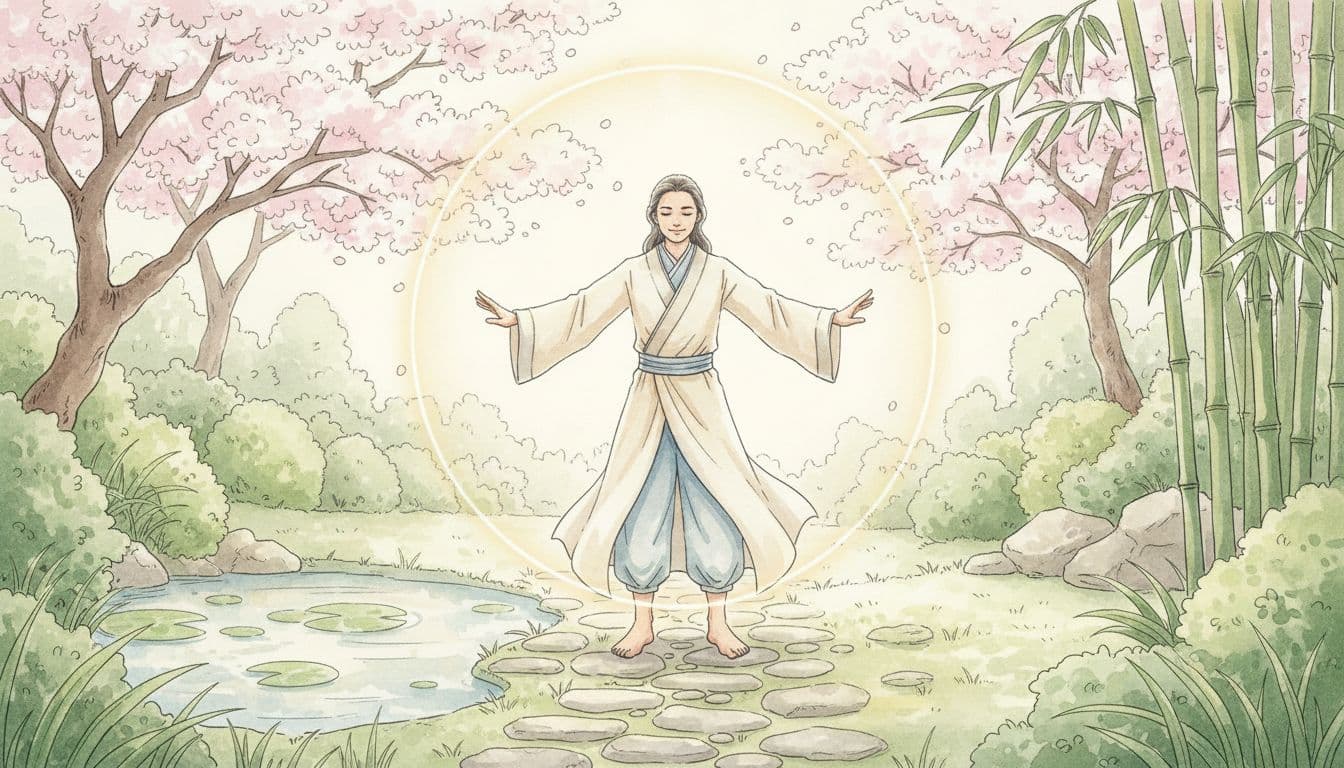
That doesn’t mean awakening causes abuse. It doesn’t mean you’re weak, naive, or broken. It means your light got brighter before your filters got stronger, and that timing matters.
Why spiritual awakening can make narcissists notice you faster
After an awakening, people often become softer in the best sense. You listen more deeply. You judge less quickly. You try to see the wound behind the behavior. To a healthy person, that feels safe. To a narcissist, it can look like a rich source of attention, patience, and emotional energy.
Narcissists are often drawn to people who give a lot. Not only love, but also focus. They want someone who will reflect them back, soothe them, admire them, and stay engaged. If your awakening made you more present, open-hearted, and hopeful, you may stand out fast.
There’s also a practical reason this happens more now. In 2026, online spaces are full of talk about spiritual narcissism, fake healers, and people who use therapy or healing language as a mask. Some manipulative people no longer look cold or obvious. They look self-aware. They say the right words. They know how to sound safe.
So the issue isn’t that awakened people are foolish. It’s that some harmful people have learned to dress control in softer clothes.
Your empathy grows before your boundaries do
This is the timing problem almost nobody talks about. Awakening can expand your compassion in weeks, while boundaries may take years to strengthen.
At first, you may want to believe the best in people. You may stop judging quickly, which sounds mature. Yet without strong limits, that openness becomes an unlocked door. You might excuse early discomfort because you want to stay loving. You might ignore your own body when it tightens.
Compassion without caution can become self-abandonment. That gap creates risk.
Some narcissists mirror spiritual language to feel safe and familiar
Shared language can create instant trust. A person says “healing journey,” “divine timing,” “karmic bond,” or “twin flame,” and part of you relaxes. You think, “They get it.”
But shared language is not shared character. A manipulative person can study your values and hand them back to you like a polished mirror. They may speak about growth, shadow work, or energy, while showing little honesty, empathy, or self-control in real life.
Words can feel sacred. Still, behavior tells the truth.
The hidden patterns that make awakened people easier to hook
A narcissist doesn’t only hook into your kindness. They often hook into the stories you tell yourself about that kindness.
After awakening, many people become meaning-makers. They look for lessons, signs, and purpose in hard experiences. That can be healing. It can also become a trap if every red flag gets turned into a spiritual test. Instead of saying, “This hurts and it’s not okay,” you may say, “Maybe I’m meant to learn patience.”
That shift sounds noble, but it can keep you stuck.
Some people also carry old roles into adult relationships. In recent conversations around empath recovery, one pattern comes up again and again: the fixer role. If you learned early to absorb chaos, calm others, or earn love through care, awakening may reveal that pattern, but not erase it at once. Until it changes, familiar pain can still feel strangely holy.
Understanding someone’s pain does not make you responsible for staying close to the harm they cause.
This is why awakened people can miss what’s in front of them. Not because they lack insight, but because insight gets mixed with hope. And hope, when it isn’t grounded, can make poison look like medicine.
You may confuse compassion with a duty to heal them
The rescuer trap feels spiritual, but it drains the life out of you. A narcissistic person may show you their wounds early. They tell heartbreaking stories. They reveal trauma, rejection, or past betrayal. Soon you feel chosen, needed, and responsible.
Caring people often think, “If I love them well enough, they’ll soften.” Yet love doesn’t heal someone who uses pain as permission to harm others.
You can understand their wounds and still step back. You can care and still close the door.
You may read chemistry, intensity, or synchronicity as proof
Fast bonding can feel like fate. The eye contact is electric. The texting never stops. You share strange parallels. They seem to know your heart after two conversations. It feels rare.
Sometimes it is. Sometimes it’s idealization.
Intuition feels calm, even when it warns you. Wishful thinking feels charged, urgent, and hungry. Intuition says, “Slow down.” Fantasy says, “This must mean something.”
That difference matters more than most people realize.
Red flags that often show up after the love-bombing phase
Once the first glow fades, the pattern usually changes. The person who seemed deeply tuned in starts needing constant access to you. Your time, your care, your attention, your calm presence, all of it becomes part of their supply.
They may put you on a pedestal early, then act irritated when you show human limits. They disclose too much too soon, not to build closeness, but to speed up it. They want instant depth, instant trust, instant loyalty. When you’re hurting, they still manage to center themselves.
Some even use woundedness to control the pace. If you pull back, they seem fragile. If you ask for space, they act abandoned. Your empathy gets turned against you. Before long, your life starts orbiting their moods.
Then the split between words and actions gets harder to ignore. They speak about truth, but dodge accountability. They praise your boundaries, then punish you for using them. They talk about conscious love, then go cold after intense closeness. Later, they return when they want attention, comfort, or admiration.
They want access to your energy, not a real equal bond
An equal bond can handle your “no.” It can handle your needs, limits, and separate life. A narcissistic dynamic can’t. It wants access without mutuality.
That’s why you may feel watched, scanned, or emotionally harvested. They study what moves you. Then they feed you more of it. The goal is not real intimacy. The goal is control wrapped in connection.
Their actions break the spell their words create
The spell often breaks in quiet ways first. You feel drained after contact. You explain yourself too much. You start doubting clear things. Your body feels tense around someone your mind keeps trying to trust.
If their words calm you but their behavior confuses you, believe the behavior.
That simple rule saves people years.
How to protect your peace without closing your heart
The answer isn’t to become hard. It’s to become clear. You do not need less love. You need better filters.
Slow the pace of connection. Let people reveal themselves over time. Healthy people can wait. Manipulative people often rush because time exposes them. If needed, keep notes after interactions. Not because you’re paranoid, but because confusion grows in fog. A written record can help you see patterns your hope keeps softening.
Watch for consistency, respect, and repair. Anyone can sound wise for an hour. Look at how they handle disappointment. Look at whether they honor small limits. Look at whether conflict leads to repair or blame. Potential is not proof.
Slow the pace, watch behavior, and trust patterns over potential
A slow pace protects clarity. Delay deep commitment. Keep your routines. Stay connected to friends who know you well. Notice whether the person respects your independent mind or tries to become your whole world.
Patterns matter more than promises. If someone ignores your “no” in small ways, bigger violations often follow. If they vanish after closeness and return with charm, treat that as information, not mystery.
Use spiritual practice to come back to yourself, not to excuse harm
Spiritual tools should bring you home to your body and truth. They should not help you explain away mistreatment. Journal after contact. Ask, “Do I feel more grounded, or more scrambled?” Do body check-ins. Your nervous system often spots danger before your mind agrees.
Talk to trusted friends. If the pattern runs deep, work with a therapist who understands trauma and coercive dynamics. Use clear scripts when needed: “That doesn’t work for me.” “I’m not available for this.” “I need space.” You do not owe a long defense.
And sometimes distance is the healing. Sometimes no-contact is the boundary that lets your life breathe again. Protecting your energy is not a failure of compassion. It is compassion directed where it belongs.
Your awakening may have made you brighter. Wisdom grows when that brightness is matched with discernment.
You do not need to dim your light to stay safe. You only need to protect access to it. The right people will respect your depth without feeding on it.
Peace begins when self-trust gets louder than potential, charm, and spiritual talk. Keep your heart open, but keep your gates wisely held.