-Explore why the Dark Night of the Soul feels so isolating — spiritually, socially, and existentially — and how to navigate this profound loneliness with grace.
Introduction
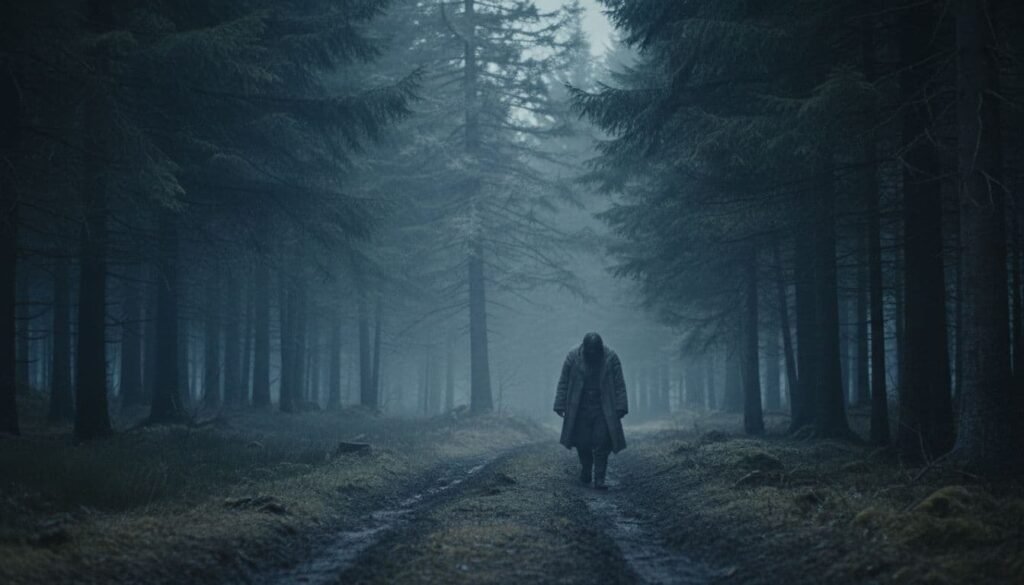
Of all the painful dimensions of the Dark Night of the Soul, isolation may be the most universally reported. People going through this profound spiritual crisis often describe feeling utterly alone — not just socially, but existentially. The loneliness is not simply about being without company. It goes deeper than that, touching the very core of how a person relates to themselves, to others, and to the divine.
Understanding why this isolation occurs — and why it is actually a natural part of the transformation process — can make the experience significantly more bearable. This article explores the many layers of isolation that accompany the Dark Night of the Soul and offers perspective on how to work with it rather than against it.
The Nature of Spiritual Isolation
Spiritual isolation is distinct from social loneliness. You can be surrounded by people who love you and still feel profoundly alone in the Dark Night. This happens because the experience is fundamentally interior — it takes place in the deep layers of consciousness and identity that others cannot directly access. Even the most empathetic friend cannot fully follow you into the terrain of your soul’s transformation.
This creates a particular kind of aloneness that language struggles to capture. You may try to explain what you are going through and find that the words simply do not convey the depth of the experience. This communication gap can make you feel even more isolated — not just from others, but from the familiar version of yourself.
Why Social Connections Feel Strained
The Old Self No Longer Fits
The Dark Night involves the dissolution of the ego-self — the persona you have constructed over a lifetime. Your social relationships were largely built around that persona. As it dissolves, many of your social interactions begin to feel inauthentic or unbearable. Small talk, gossip, and surface-level socializing become almost physically uncomfortable because they no longer resonate with who you are becoming.
You may find yourself withdrawing from social gatherings, avoiding phone calls, or sitting in silence when previously you would have been talkative and engaged. This is not social phobia or depression in the conventional sense. It is the authentic self refusing to continue performing a role it has outgrown.
Others Cannot Relate to the Experience
Unless your friends or family have been through a spiritual crisis of their own, they are unlikely to understand what you are describing. Well-meaning people may respond with suggestions to “cheer up,” “get out of the house,” or “see a doctor.” While these suggestions come from love, they fundamentally misread what is happening. This misunderstanding deepens the sense of isolation because it confirms that you are in territory others cannot map.
Spiritual teacher Thomas Moore writes in “Dark Nights of the Soul” that this period asks us to sit with mystery rather than resolve it quickly. Most people around us are not comfortable with mystery, and their discomfort can inadvertently make us feel like something is wrong with us rather than within us.
The Divine Feels Absent
For spiritually oriented people, the most devastating dimension of the Dark Night’s isolation is the apparent absence of the divine. Prayers go unanswered. Meditation feels fruitless. A spiritual practice that once provided connection and comfort now feels like speaking into a void. This “spiritual dryness,” as mystics have called it, can be more isolating than any human abandonment because it touches the deepest source of belonging a person knows.
What is actually happening, according to contemplative traditions, is a shift in how divine presence is perceived. The earlier, more consoling forms of spiritual experience are being replaced by something subtler and more mature. But in the transition, there is a gap — and that gap can feel like abandonment.
The Purpose of Isolation in Spiritual Transformation
While isolation is painful, it serves a critical function in the Dark Night. It creates the conditions necessary for genuine inner work. When we are constantly engaged with others, distracted by social obligations, and performing our familiar social roles, we have very little access to the deeper layers of our inner life. The isolation of the Dark Night forces a confrontation with the self that is both necessary and ultimately healing.
Think of it as the caterpillar’s cocoon. Inside that dark enclosure, the caterpillar does not simply grow wings — it completely dissolves into undifferentiated cellular matter before reorganizing into something entirely new. The cocoon provides the necessary isolation for this radical transformation. The Dark Night functions similarly for the human soul.
Practical Tips for Managing Isolation
Name it, do not shame it. Recognizing that your isolation has a spiritual purpose reduces the secondary suffering of self-judgment.
Find a community of understanding souls. Online forums, spiritual direction, or groups focused on contemplative practice can provide connection without requiring you to explain yourself from scratch.
Use solitude intentionally. Rather than experiencing isolation as something happening to you, choose solitude as a deliberate practice of listening to what is arising within you.
Keep a dialogue journal. Write letters to your higher self, the universe, or whatever concept of the divine resonates with you. Even in the perceived absence, the act of reaching out matters.
Limit toxic social environments. If certain people or gatherings consistently drain you, give yourself permission to protect your energy during this sensitive time.
When Isolation Becomes Dangerous
It is important to distinguish between the spiritually productive solitude of the Dark Night and clinical depression or dangerous isolation that can lead to self-harm. If your isolation is accompanied by persistent hopelessness, thoughts of self-harm, an inability to perform basic self-care, or a complete loss of will to live, please seek professional support immediately. Spiritual crises and mental health challenges can co-exist, and addressing both is not a betrayal of the spiritual path — it is wisdom.
Conclusion
The isolation of the Dark Night of the Soul is real, multi-layered, and deeply challenging. It stretches across social, relational, and spiritual dimensions, touching the very core of how we connect and belong. But it is not meaningless suffering. It is the necessary interior silence that allows the deepest transformation of self to occur. Understanding this does not make it easy — but it makes it survivable. And more than that, it makes it sacred.