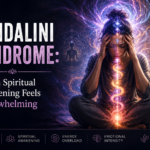
Some bonds feel bigger than logic. They burn like a flame you can’t stop reaching toward, even when it hurts.
That intensity is why people confuse a true twin flame and emotional attachment so often. When a connection is on and off, full of longing, or charged with deep recognition, it can seem spiritual by default. Yet strong feelings don’t always point to a soul-level bond. Sometimes they point to fear, unmet needs, or old wounds asking for care.
This isn’t about mocking spiritual beliefs. It’s about seeing the pattern clearly, so you can tell the difference between a connection that helps you grow and one that keeps you clinging.
What people mean by a true twin flame, and what emotional attachment really is
People use the term twin flame to describe a bond that feels rare, intense, and deeply transformative. In plain English, it’s often seen as a spiritual mirror. The connection is said to bring hidden wounds to the surface, while also calling out your best self.
By contrast, emotional attachment is part of normal human life. We all form bonds. We all want closeness. The trouble starts when attachment turns into dependency, obsession, or panic at the thought of losing someone.
So the key point is simple. Not every intense bond is spiritual, and not every attachment is unhealthy. The difference shows up in the pattern, not in the amount of emotion.
A twin flame bond is said to mirror your inner wounds and your best self
In twin flame language, the other person feels strangely familiar. You may feel seen fast, sometimes before trust has had time to grow. People often describe strong recognition, deep reflection, and a sense that the bond exposes what needs healing.
That mirroring idea matters. The connection isn’t supposed to be about fantasy, rescue, or constant drama. At least in the healthiest version of the belief, it’s about truth. It pushes both people to grow up emotionally, face denial, and become more honest.
Some people also believe a twin flame bond can be romantic or platonic. Either way, the center of it is transformation, not possession.
Emotional attachment becomes a problem when your peace depends on one person
Attachment becomes unhealthy when your inner balance starts hanging on somebody else’s behavior. A delayed reply can feel like danger. Silence can feel like abandonment. Your whole day may rise or crash based on how they act.
That’s different from normal closeness. Healthy attachment still leaves room to breathe. You can miss someone without falling apart. You can love deeply without losing your center.
Recent discussions often make the same point. Push-pull chemistry can come from unmet needs, not destiny. If the bond keeps waking up fear more than truth, attachment may be driving the story.
The biggest difference comes down to growth vs. need
If you strip away the labels, the clearest contrast is this: one path leads back to self-work, the other leads deeper into craving. A true twin flame, as people describe it, should move both people toward honesty, healing, and inner steadiness. Emotional attachment pulls you toward chasing, control, fantasy, and fear.
This side-by-side view makes the difference easier to spot:
Pattern
Growth-based connection
Need-based attachment
Inner state
More aware, grounded, honest
Anxious, obsessed, reactive
Sense of self
Stays intact
Starts to fade
Conflict
Leads to insight and repair
Repeats without real change
Distance
Brings reflection
Triggers panic and overchecking
Communication
Clear, respectful, mutual
Mixed, confusing, one-sided
Effect on life
Expands your world
Shrinks your world
The takeaway is hard to miss. If the bond keeps making your life smaller, it isn’t helping you grow.
Intensity alone proves nothing. Fire can warm a home, or burn it down.
A true twin flame connection should not erase your identity
A deep connection can change you. It shouldn’t swallow you whole.
Even if you believe in twin flames, both people still need a solid self. You should be able to work, rest, make choices, and think clearly. Love can be profound without turning you into someone who can’t function alone.
That’s why loss of identity is such an important warning sign. If your hobbies fade, your standards drop, and your voice gets quieter, the bond isn’t making you whole. It’s pulling you away from yourself.
Emotional attachment feeds on uncertainty, mixed signals, and fear of loss
Need-based attachment thrives in fog. One warm message can feel like proof. Then a cold reply can send you spiraling. Soon you’re checking your phone, replaying every word, and treating confusion like a clue.
Anxious bonds often feel strongest during distance or conflict. That can trick you. The ache grows, so the connection seems bigger. Yet stronger longing doesn’t always mean deeper love. Sometimes it means your nervous system is stuck in alarm.
When anxiety gets mistaken for destiny, suffering starts to look meaningful. That’s when it’s easy to romanticize behavior that is plainly unstable.
Signs you may be dealing with attachment, not a true twin flame
Feelings matter, but behavior tells the truth. If you want real clarity, stop asking how intense the bond feels and start asking what it does to your life.
Attachment often hides behind spiritual language because that language softens the pain. “We’re meant to be” can sound easier than “I’m terrified of losing them.” Still, naming the real pattern is the first step back to solid ground.
Your mood rises and falls based on their attention
One text lights you up. One delay knocks the air out of you.
That swing is more than longing. It’s a sign your emotional state may be tied to their approval or presence. You wait for their contact to feel calm, attractive, or safe. Without it, the day feels gray and shaky.
Healthy love can stir strong emotion. Still, it doesn’t usually turn every notification into a weather system.
You spend more time decoding the connection than living your life
Attachment loves clues. You start reading meaning into dreams, synchronicities, tarot pulls, social posts, old songs, and long silences. Everything becomes a sign.
Meanwhile, real life moves to the side. Work loses focus. Friends hear the same story on repeat. Sleep gets thin. Your own goals start gathering dust.
Reflection can be useful in small doses. But when analysis replaces honest communication and daily living, the bond has stopped being a connection and become a loop.
The relationship keeps you stuck instead of helping you grow
Growth can hurt. Healing often does. Chaos, however, is not the same thing as growth.
If the bond keeps leading to poor boundaries, broken trust, loss of self-respect, and endless confusion, take that seriously. A spiritual label doesn’t make harmful patterns holy. If months or years pass and nothing changes except the shape of the pain, attachment is a stronger explanation than destiny.
A healthy bond, spiritual or not, should make truth easier to face, not harder.
How to respond wisely when the connection feels intense
You don’t need to solve the label first. Start with what is real. Look at actions, patterns, and your own state of mind. That approach protects you whether the bond is spiritual, psychological, or a mix of both.
Clarity grows faster when you stop chasing meaning and start watching behavior.
Look at actions, patterns, and boundaries before you trust the label
Anyone can say the connection is special. The better question is whether it is honest, mutual, and steady over time.
Pay attention to consistency. Notice whether both people communicate with respect. See if space is honored, not punished. Ask whether effort flows both ways.
If you have to beg, chase, or abandon your standards to keep the bond alive, that tells you something. Real connection shouldn’t demand self-betrayal as the price of love.
Focus on healing your attachment wounds first
When emotions run hot, turn some attention back toward yourself. Journal what gets triggered. Name the fear beneath the longing. Slow your nervous system with sleep, breath, movement, prayer, or quiet time away from obsessive checking.
Therapy can help, especially if old abandonment pain keeps lighting up. So can reconnecting with friends, work, purpose, and the parts of life that remind you who you are.
Healing your attachment wounds doesn’t kill real love. It clears the smoke around it. If the bond is true, clarity won’t destroy it. If it isn’t, clarity will free you.
The clearest difference between a twin flame bond and attachment is not how intense it feels in the moment. It’s what the connection builds over time. Does it lead to truth, mutual growth, and inner steadiness, or does it keep feeding fear, obsession, and loss of self?
A real bond should bring you closer to your own center, not farther from it. When you stop calling fog fate, the whole picture changes. What looked mystical in the dark often becomes simple in daylight, and daylight is where peace begins.