Disclosure: This article contains affiliate links. As an Amazon Associate, Soul Connections Hub earns from qualifying purchases, at no extra cost to you. Learn more.
A twin flame connection can feel like coming home and walking into a fire at the same time. One moment, you feel deeply seen. The next, you feel cracked open in places you thought had healed years ago.
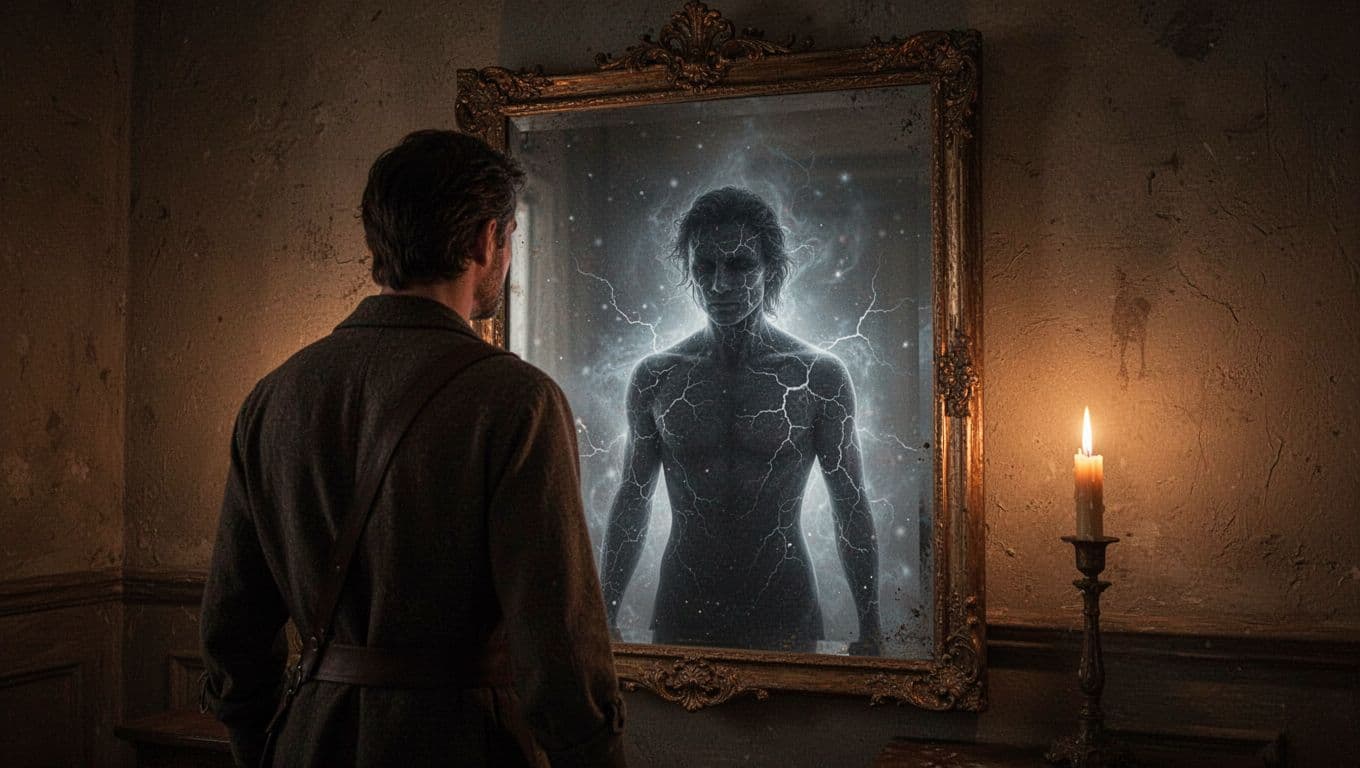
That shock is part of why so many people describe a twin flame bond as a mirror. It seems to reflect not only your love, but also your buried fear, grief, shame, and hunger to be chosen. Still, intense chemistry does not make pain holy, and it does not excuse lying, cruelty, or harm.
If this connection has shaken you to the core, the wound may not have started here. But this bond may be the spark that brought it to light.
What a twin flame connection is really reflecting back to you
People use the term twin flame in different ways. In simple terms, it describes a bond that feels unusually intense, familiar, and life-changing. Many believe this person mirrors your inner world so clearly that what is hidden can no longer stay hidden.
That mirror effect is why everyday dating may not touch you the same way. A casual connection might bruise your ego. A twin flame bond can hit the basement of your nervous system. It can wake up old fear with one delayed text, one cool reply, or one sudden shift in tone. Some people explain this through spirituality. Others connect it to attachment wounds and emotional patterning. A balanced view of the twin flame mirror effect through psychology can help make sense of both angles.
Many also describe a push-pull cycle. One person moves closer, then backs away. The other reaches harder, then feels crushed. That pattern often grows because both people feel seen at a depth that can be hard to bear.
The mirror effect can expose pain you thought was long gone
Old wounds often stay quiet until a close bond presses on them. Then they wake up fast.
Maybe your twin flame takes longer than usual to answer, and your chest tightens. Maybe they need space, and your mind jumps to, “I’m being left.” After conflict, shame may flood in so hard that you feel small, flawed, or hard to love. The present moment is real, but the size of the pain often comes from the past.
Why the pull feels so strong, even when it hurts
Part of the pull is familiarity. The bond may echo your oldest emotional blueprint, even if that blueprint was painful. Longing also plays a role. When someone seems to hold the answer to your deepest ache, the heart can cling hard.
Hope adds fuel. You may believe that if this person finally stays, your old pain will end. Yet intensity is not the same as safety. A strong bond can still be unhealthy, badly timed, or full of projection. Love may be present, but readiness and emotional skill may not be.
The deepest wounds a twin flame often brings to the surface
Some wounds show up again and again in these bonds. They tend to cluster around abandonment, rejection, betrayal, and low self-worth. Each one can turn a small event into a full-body alarm.
When this happens, people often think, “Why am I reacting so much?” The better question is, “What older pain did this touch?”
Abandonment and rejection can turn distance into panic
Space can feel like danger when you carry an abandonment wound. Silence may not register as neutral. It can feel like proof that you are about to be dropped, forgotten, or replaced.
That is why mixed signals cut so deep. If your twin flame goes hot and cold, the body may move into chase mode. You text more, explain more, give more, and wait more. Then the runner-chaser pattern grows stronger, not because the love is bigger, but because the wound is louder. Many people on this path recognize that pattern in pieces like the abandonment wound in the twin flame journey.
Betrayal and trust wounds can make love feel unsafe
If you have lived through lies, cheating, broken promises, or unstable caregiving, closeness may feel risky. You may want deep love and still flinch when it arrives.
So when a twin flame bond opens the heart fast, trust wounds can rise with it. You may scan for signs, read into gaps, or expect the fall before the fall happens. Even kind moments can feel shaky, because part of you is waiting for the door to slam.
Low self-worth can make you believe the pain is your fault
This wound is quiet, but brutal. It says, “If this hurts, you must be the problem.” So you overgive. You accept crumbs. You call self-abandonment devotion.
Some people even confuse suffering with spiritual progress. They stay in chaos because the bond feels sacred. Yet pain is not proof of destiny. If a connection keeps asking you to shrink, beg, or betray yourself, the lesson is not to endure more. The lesson may be to stop leaving yourself behind. Reflections on why twin flame relationships trigger deep wounds often return to that point.
A sacred label should never talk you out of your own boundaries.
Why the trigger happens now, and what it may be asking you to heal
A trigger often feels like punishment, but it is usually exposure. Something hidden gets pulled into the light, fast and without much warning. That is painful, yet it can also be useful.
Current conversations around twin flames in 2026 keep circling back to the same theme: these bonds seem to wake up old family patterns, including wounds carried through the mother line, early attachment fear, and habits built around earning love. Whether you see that through a spiritual lens or a psychological one, the message is similar. What hurts now may be older than this person.
This bond can bring hidden patterns into the light fast
Intense closeness speeds up emotional exposure. If childhood taught you that love is earned, unstable, or scarce, that script may replay here with shocking force.
You may notice old roles returning. Perhaps you become the fixer, the pursuer, the peacemaker, or the one who waits by the phone. Those roles often began long before this connection. For some readers, it helps to think of twin flames as soul mirrors for pain and growth, not as magic solutions.
The real lesson is healing yourself, not chasing the reunion
The deepest change begins when you stop asking, “How do I get them back?” and start asking, “Why does this pain own me?”
That shift changes everything. It brings you back to your side of the street, your body, your choices, your healing. Some spiritual teachings talk about balancing inner masculine and feminine energy. That can be helpful if it leads to steadiness, honesty, and self-respect. It becomes harmful if it keeps you stuck in fantasy. Labels matter less than truth. Reunion is never the prize if you have to abandon yourself to reach it.
How to heal without losing yourself in the twin flame story
Healing starts with coming back to the present. Not the story, not the signs, not the late-night spiral, but the body you live in right now.
If this bond triggers panic, grief, or obsession, slow the moment down. Drink water. Breathe longer than feels natural. Put the phone down before you send the message that comes from terror rather than truth.
Notice the trigger, name the wound, and slow the spiral
A simple practice can help. Write down what happened, what you felt, and what fear came up. Keep it plain. “They pulled away. I felt panic. My old fear is being left.” That naming creates space.
Then separate the present from the past. Ask yourself, “What is true today, and what old memory is riding on top of this?” This will not erase the pain. It will stop the pain from driving the car.
Choose healing tools that bring you back to yourself
Support matters, especially when the bond feels all-consuming. A trauma-informed therapist, grounded spiritual mentor, or trusted friend can help you sort signal from panic. Prayer, meditation, rest, and body-based tools can also calm the nervous system. If you want a practical outside view, this healing guide for twin flame triggers offers ideas that center self-work.
Boundaries are part of healing too. If contact leaves you raw for days, reduce contact. If the connection turns abusive, leave. Love should stretch you toward truth, not train you to accept harm.
Love can awaken you without asking you to disappear.
The twin flame may not be the source of your wound. More often, they are the match that lit up the room so you could finally see what had been sitting there in the dark.
That is the hard grace of this kind of bond. It can break open old pain, but it can also end the cycle of chasing love where you lose yourself. The goal is not to suffer beautifully. The goal is to heal what the connection exposed, and to walk forward with more self-respect, not less.