When stress hits, you want relief now, not after a 45-minute routine. That is why “vagus nerve reset” clips keep spreading, especially the two simplest tricks: ice water and ear massage.
The vagus nerve is part of your body’s rest-and-recover system. So the promise sounds great, calm your body fast with a splash of cold water or a few circles around the ear. Some of that promise holds up better than the rest.
This comparison matters because one method has stronger evidence, while the other has softer, less direct support. Start with what the vagus nerve does, then look at what each trick can, and can’t, do.
What the vagus nerve does, and why people keep trying to reset it
The vagus nerve helps carry signals between your brain and many organs, including the heart, lungs, and gut. In plain terms, it is one of the lines your body uses to slow things down after a threat has passed. It can affect heart rate, breathing, digestion, and the general shift from alert to calm.
People often use “reset” as if the nerve were a stuck router. That is not a medical term. Still, the word sticks because it matches the feeling people want, a quick move from keyed up to steadier.
The vagus nerve in everyday terms
You do not need an anatomy chart to understand the big picture. When your body senses danger, heart rate climbs, breathing gets faster, and muscles tense. Later, the vagus nerve helps nudge those systems back toward rest.
That is why slow breathing, humming, singing, and gentle movement often feel soothing. They may help the body lean toward a calmer state, even if the effect is mild or brief.
Why the idea of a quick reset is so appealing
Stress is expensive in every way. It steals sleep, shortens patience, and leaves the body humming like a fridge you can hear all night. So people look for tools that are cheap, fast, and easy to do at home.
Social media also rewards simple fixes. A bowl of ice water or a 30-second ear rub fits neatly into a short video. At the same time, real research on ear-based stimulation has helped fuel interest. For example, a 2024 crossover study on ear stimulation and heart rate variability looked at how stimulating different ear points may affect autonomic signals. That does not prove ear massage works the same way, but it helps explain why the ear keeps coming up in these conversations.
How ice water may calm the body so quickly
Ice water has the cleaner case, mostly because cold on the face and neck can trigger a reflex response. When cold hits the cheeks, eyes, or nearby areas, the body may react in a way linked to the so-called diving reflex. Heart rate can slow, and the nervous system may shift toward a calmer state for a short time.
This is why the method often feels more immediate than other wellness tricks. It is not magic. It is a body reflex.
What people actually do with the ice water method
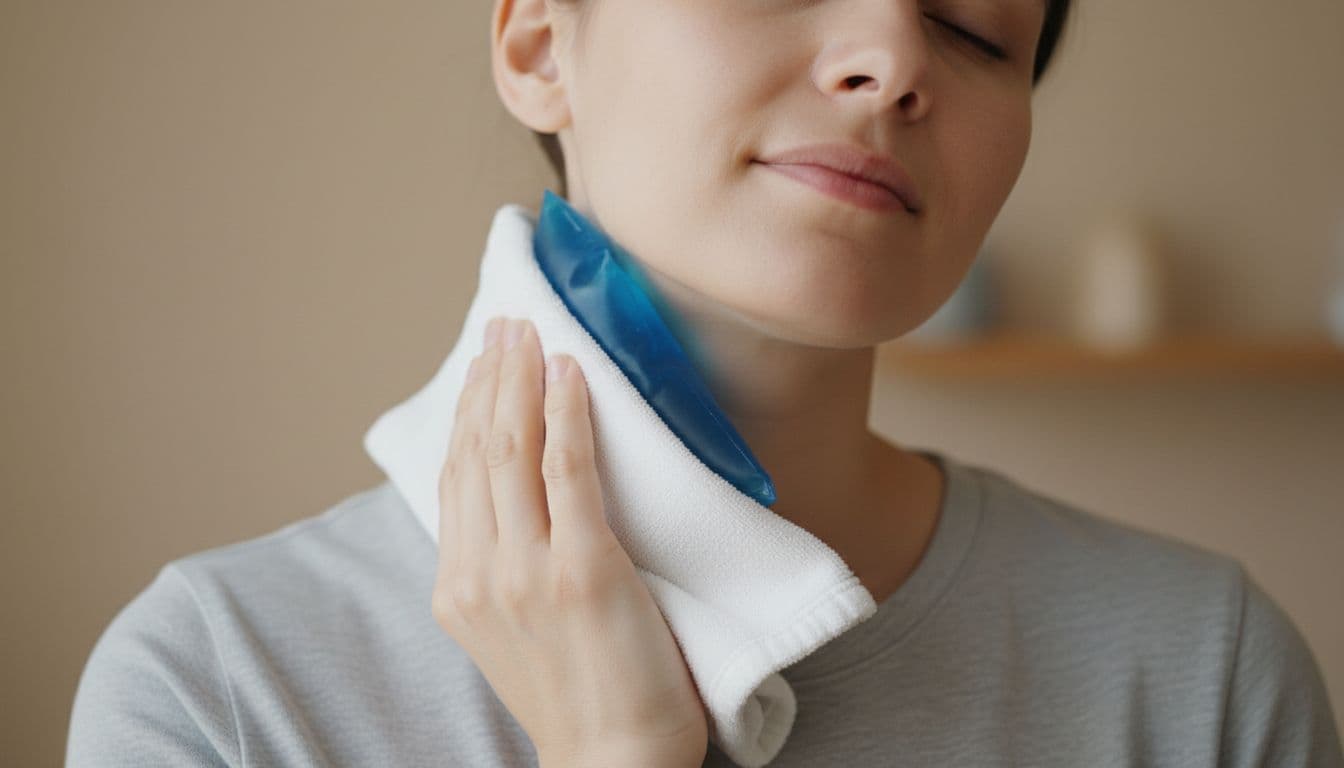
Most people are not taking polar plunges in their bathroom sink. The common version is brief and simple. They splash cold water on the face, hold a cold pack to the side of the neck, or press a wrapped ice pack against the cheeks for a short stretch.
The goal is short exposure, not endurance. If the cold feels painful, you have gone too far. A brief, controlled chill is the point.
What the research suggests about cold stimulation
The strongest part of the case is that cold exposure can create measurable body changes, not only a vague feeling of refreshment. Current summaries of the science point in the same direction: cold on the face or neck can affect heart rate and heart rate variability for a short time.
The body also seems picky about location. In small studies, cooling the cheeks or neck changed heart rate more than cooling areas such as the forearms. That matters because it points to a reflex pathway, not only the sensation of being cold.
When ice water may help most, and when it may not
Ice water may help in a spike moment, after a stress surge, before a hard conversation, or during the first rise of panic. It can interrupt the climb and give you a small window to breathe more slowly and think more clearly.
Still, the effect is usually brief. It does not treat the cause of chronic anxiety, burnout, trauma, or poor sleep. If your nervous system feels overloaded every day, cold water is a tool, not a cure.
Can ear massage really stimulate the vagus nerve?
Ear massage is gentler, quieter, and easier to do in public. It also comes with more fuzziness. The outer ear has rich nerve supply, and parts of it are tied to discussions of vagus nerve stimulation. That makes the idea plausible. It does not make every ear rub a proven vagus nerve method.
Why the ear is part of the conversation
Medical interest in the ear did not begin on TikTok. Acupuncture, auricular therapy, and newer device-based stimulation all use the outer ear in different ways. Some of those methods target points linked to the auricular branch of the vagus nerve.
That is where the topic gets messy. Much of the serious research is not about self-massage. It is about targeted stimulation, often with devices. For example, transcutaneous auricular vagus nerve stimulation research in humans looks at precise ear areas and measured physiological effects. A fingertip ear rub is a different thing.
What we know, and what is still uncertain
Ear massage may feel relaxing because touch itself can calm you. Slow, repetitive contact can lower tension, pull attention away from racing thoughts, and cue a softer breathing pattern. That is useful, even if the vagus nerve angle is overstated.
The missing piece is strong direct evidence for ear massage alone. Studies on ear acupuncture, auricular therapy, and electrical stimulation should not be treated as proof that casual massage does the same job. Clinical papers on auricular neuromodulation also focus on exact ear regions and structured methods, not random rubbing.
How to try ear massage safely
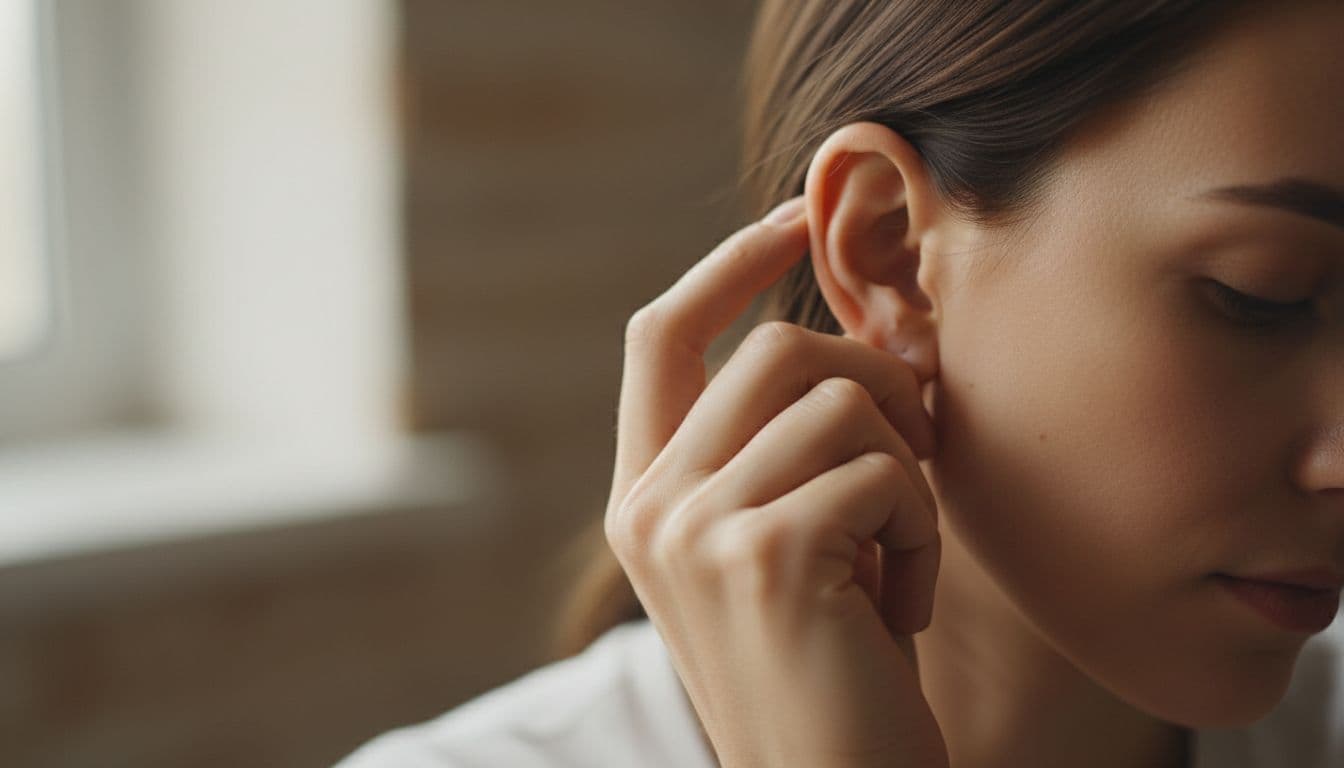
If you want to try it, stay gentle. Use two fingers and make small circles on the outer ear, earlobe, or around the tragus. Breathe slowly while you do it. Stop if you feel pain, irritation, or dizziness.
Do not press hard. Also skip it if the skin is broken, infected, sunburned, or sore. And if your symptoms are intense, ear massage should be a side habit, not your whole plan.
So which one works better?
The short answer is clear. Ice water has the stronger evidence right now. Ear massage may still help some people feel calmer, but the case for it is thinner and less direct.
Evidence strength: cold wins right now
Cold face or neck exposure has more support because it produces fast, measurable changes in heart rate and arousal. The pattern across current research is more consistent.
Ear massage sits on shakier ground. The ear matters in formal stimulation research, but massage itself has not been studied nearly as well.
If you want the more evidence-backed quick reset, brief cold on the face or neck is the better bet.
Speed and convenience: both are easy, but one is faster
Both methods are simple. Ear massage can happen at your desk, in a waiting room, or in the car before you step out. Ice water needs a sink, cold pack, or at least a chilled bottle.
Yet cold often works faster. It tends to create a sharper body response, while ear massage is subtler and may feel more like gradual soothing.
Comfort and consistency: the method people will repeat matters
The best method on paper is not always the best one in real life. Some people hate cold and tense up the second it touches their skin. For them, ear massage may be the only trick they will use more than once.
Others want something with a stronger physical signal. They may prefer cold because it feels concrete and reliable. If a tool helps you pause, breathe, and settle without making you dread it, that matters.
Who should be careful before trying either method?
Both methods are low-tech, but neither is for everyone. Be careful with ice water if you have heart disease, a history of fainting, cold-triggered breathing trouble, skin sensitivity, or strong anxiety around cold exposure. Ear massage also needs care if you have skin irritation, an ear infection, or pain around the jaw and ear.
If you have severe anxiety, frequent panic attacks, or symptoms that keep returning, do not rely on a home trick alone. A clinician can help you sort out what is stress, what is panic, and what may be something else.
Signs that it is time to skip the home trick and get help
Get medical help instead of trying to self-calm if you have:
chest pain
trouble breathing
fainting or near-fainting
severe dizziness
panic symptoms that do not ease up
new symptoms you cannot explain
The most useful takeaway, plus a few other vagus nerve habits worth knowing
When stress crashes in and you want a fast body shift, ice water has the better case. Brief cold on the face or neck can trigger a real reflex and may slow things down for a moment. Ear massage is softer and less proven, though it may still help if touch relaxes you and cold feels miserable.
That makes the choice simple. Use cold if you want the stronger short-term effect. Use ear massage if you want a gentler calming habit, and keep your expectations in check.
Either way, the bigger wins usually come from boring habits that work over time: slow breathing, humming, walking, regular sleep, and fewer stress spikes stacked on top of each other. A reset is helpful, but a routine is what keeps the fire smaller.