Some days, your mind feels loud and your body feels heavy, even when nothing looks wrong from the outside. Chakra meditation gives you a quiet way to turn inward, slow down, and notice what your inner life has been trying to say.
People often use it when they want calm, emotional relief, or a stronger sense of balance. It’s a spiritual and wellness-focused practice, not a replacement for medical care, therapy, or urgent support. Still, many people find that it helps them feel more grounded and less scattered. Once you understand the chakra map, the practice becomes simple and personal.
What chakra meditation is and why people use it for healing
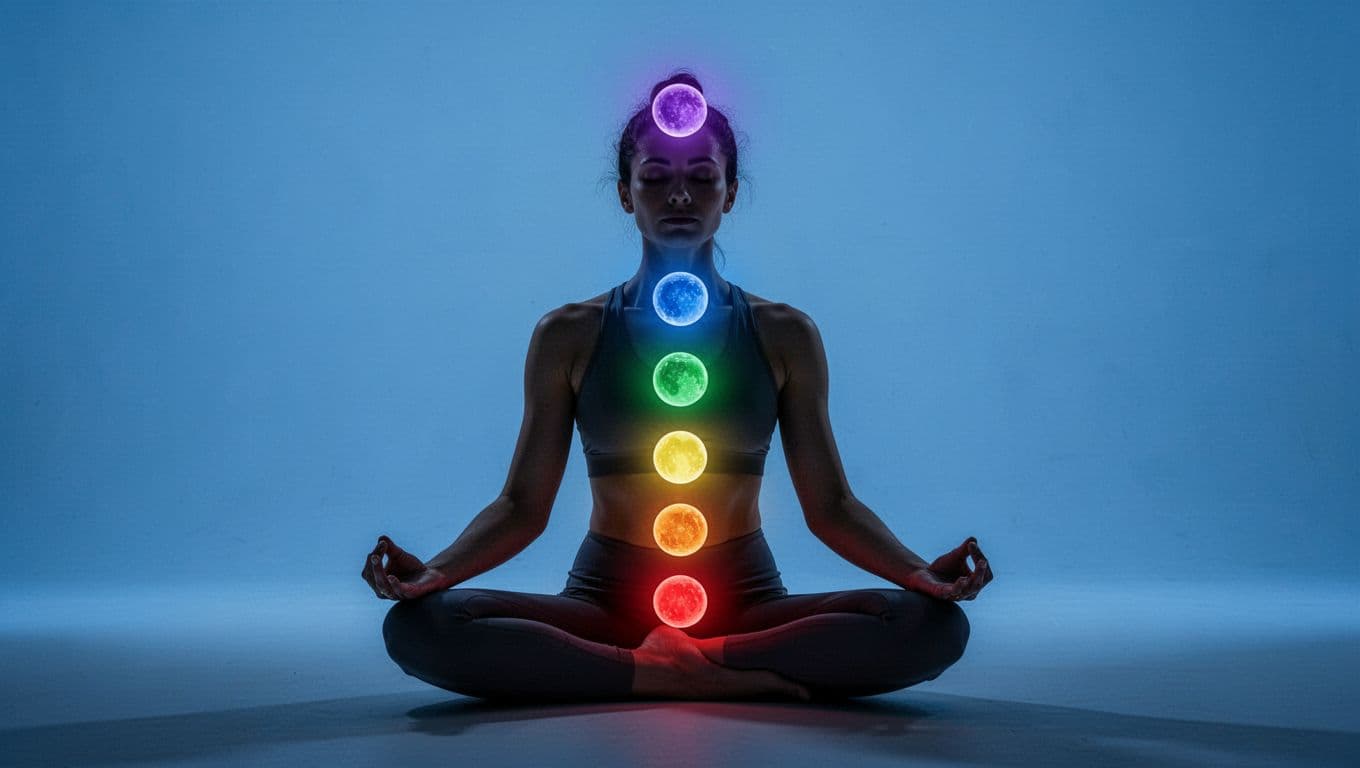
Chakra meditation is based on the idea that the body has seven main energy centers, arranged from the base of the spine to the crown of the head. During meditation, you bring your breath and attention to each center, often using color, touch, or a quiet phrase.
For many people, the healing part is less about fixing something overnight and more about coming home to themselves. The practice may help you feel calmer, more centered, and more emotionally open. Meditation research in recent years has linked similar practices with better stress control and mood support. At the same time, chakra healing belongs more to spiritual tradition and lived experience than to guaranteed medical outcomes.
The seven chakras, explained in plain language
The seven chakras form a simple inner map. The root chakra, at the base of the spine, is linked with safety and steadiness, and it’s often pictured as red. The sacral chakra, below the navel, is orange and tied to feeling, pleasure, and creativity. The solar plexus chakra, around the upper belly, is yellow and connected with confidence, action, and self-trust.
Higher up, the heart chakra sits in the chest, glows green in many traditions, and relates to love and compassion. The throat chakra is blue and points to truth and expression. The third eye, at the center of the forehead, is indigo and linked with insight. The crown chakra, at the top of the head, is violet or white and tied to spiritual connection. You don’t need to memorize every detail at once. Even a loose sense of the map is enough to begin.
How blocked energy is believed to show up in daily life
In chakra traditions, blocked energy can feel like being stuck in one room with no open windows. You might feel worried without rest, numb in your relationships, shut down in your voice, or unsure of your next step.
These are not diagnoses. They are self-awareness cues that some people use during reflection. The point is not to label yourself. It’s to notice where life feels tight, heavy, or out of rhythm.
A simple chakra meditation practice you can try at home
You don’t need special tools, long rituals, or perfect focus. A short, steady practice often works better than a long session you avoid.
Settle your body and create a quiet space
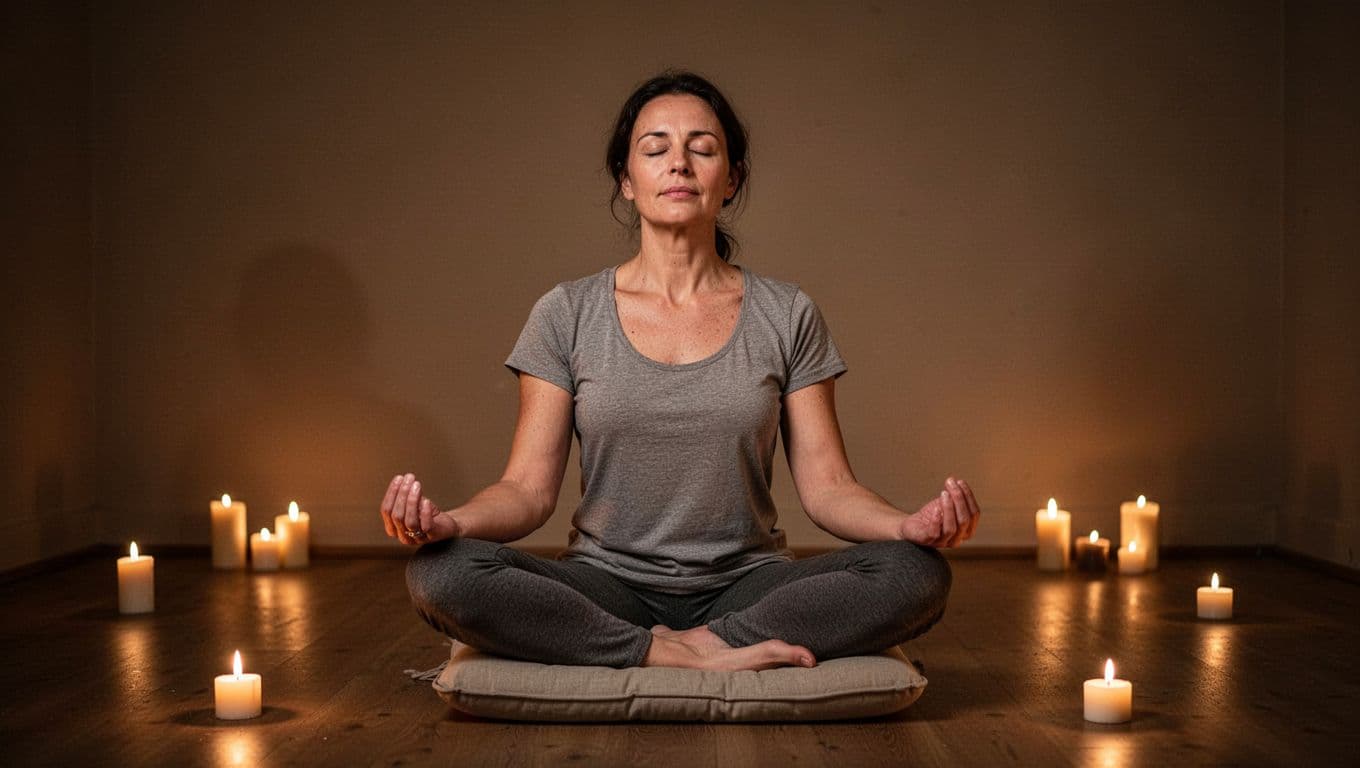
Sit on a cushion or chair, or lie down if that feels kinder on your body. Soften the lights, loosen your jaw, and let your shoulders drop.
Then slow your breath. Inhale through your nose, exhale a little longer, and repeat for a minute or two. Before you begin, set one simple intention, such as peace, healing, clarity, or release. Keep it gentle. You are not trying to force a breakthrough.
Move through each chakra with breath, color, and focus
Start at the root chakra. Bring your attention to the base of your spine, picture red, and breathe with the thought, “I am safe.” Next, move to the sacral area below the navel, picture orange, and invite softness, feeling, or creative flow. At the solar plexus, imagine yellow light warming the belly and repeat, “I trust myself.”
Then rest your attention at the heart. See green in the center of the chest and breathe into kindness, grief, or forgiveness, whatever is present. Move to the throat, picture blue, and allow your breath to loosen the neck and jaw. At the third eye, imagine indigo at the forehead and sit with quiet inner seeing. Finally, bring awareness to the crown, picture violet or white, and simply rest.
You can place a hand on each area if that helps. You can also spend more time where you feel drawn. Most importantly, don’t strain to feel something dramatic. Notice what comes, and let it pass like weather.
What to do if emotions or memories come up during meditation
Strong feelings can rise during quiet practices, and that is normal. If that happens, open your eyes, return to your breath, or stop the session and ground yourself by touching the floor or naming what you see around you.
If you have trauma concerns, keep the practice short and gentle. Support from a therapist, trauma-aware teacher, or trusted care professional can help you stay safe while you explore inner work.
How to make chakra meditation more effective over time
Healing usually feels gradual. It gathers in small moments, then shows up later in how you sleep, speak, or react under stress.
Small habits that help the practice sink in
A regular rhythm matters more than long sessions. Meditate at the same time each day if you can, even for 10 minutes. Many people like early morning or the last quiet stretch before bed.
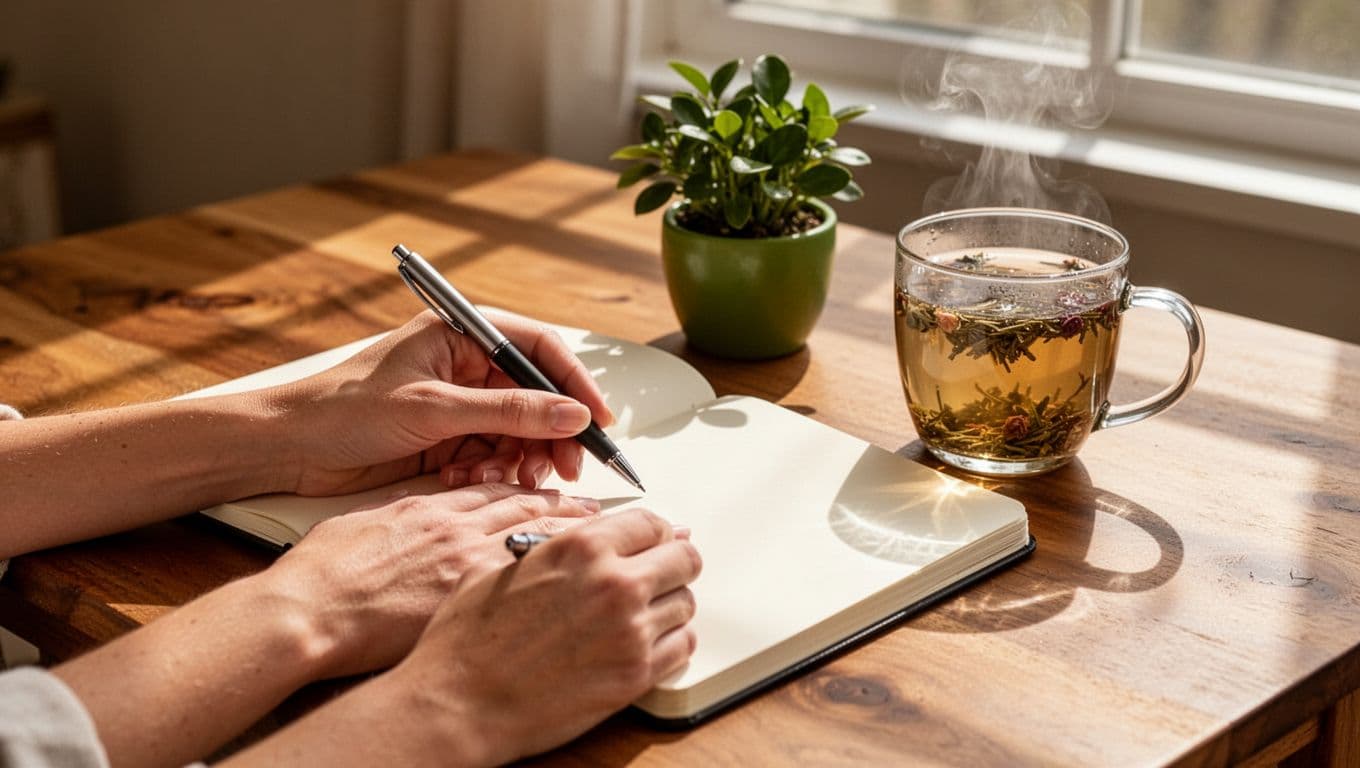
Afterward, write down a few words about what you felt. A journal can catch patterns that the mind forgets. Soft music, light stretching, a short walk, and enough water can also help your body settle after practice.
When to combine meditation with other wellness support
Chakra meditation works well beside other forms of care. Yoga, prayer, breathwork, time in nature, and therapy can all support the same goal, which is better self-awareness and steadier emotional balance.
It also belongs next to medical care when needed. If you’re dealing with severe anxiety, depression, trauma, pain, or sleep issues, meditation can be one helpful tool, but it isn’t a cure-all. Real healing often asks for more than one kind of support.
Conclusion
When life feels crowded inside, chakra meditation gives you a way to pause and listen. That pause can be the first quiet step toward healing, because awareness often comes before relief.
You don’t need a perfect practice or a mystical experience. A few calm minutes, a steady breath, and honest attention are enough to begin. Over time, those small moments can help you feel more grounded, open, and at ease in your own body.
chakra meditation, energy healing, inner balance, guided breathing, spiritual wellness