Can twin flames have a healthy relationship? Yes, but only when the relationship has the same foundations as any healthy partnership: safety, respect, honesty, freedom, and equal power.
Twin flames are a spiritual belief, not a scientifically proven relationship type. A connection can feel life-changing and still require clear boundaries. Destiny, signs, or spiritual language never excuse control, fear, or harm.
The most reliable measure is how the relationship feels in daily life, especially during conflict, distance, and difficult decisions.
Key Takeaways
A healthy twin flame relationship allows both people to speak freely, say no, keep their friendships, and make choices without fear. Love should add support to your life, not shrink your world.
The CDC’s overview of intimate partner violence includes physical and sexual violence, stalking, and psychological aggression. Those behaviors are serious concerns in any relationship, regardless of the spiritual label attached to it.
Intense chemistry does not prove compatibility, commitment, or emotional safety.
A supportive partner respects your privacy, time, goals, and outside relationships.
Repeated fear, isolation, surveillance, threats, or humiliation are warning signs of abuse.
Real progress appears through consistent behavior, not emotional reunions or promises to change.
What Does “Twin Flame” Mean in Relationship Terms?
The twin flame idea usually describes two people believed to share an unusually deep spiritual bond. Some people believe twin flames mirror one another’s wounds, strengths, and unfinished emotional work. The story often includes recognition, separation, growth, and a later reunion.
Many versions also describe a “runner and chaser” pattern. One person withdraws while the other pursues contact, certainty, or reunion. For believers, the experience can feel like a meaningful spiritual process.
However, psychology does not recognize twin flames as a defined relationship category. Intense attraction may also connect to attachment patterns, idealization, unresolved grief, loneliness, or emotional dependence. These possibilities do not erase someone’s spiritual beliefs. These perspectives offer useful ways to look at behavior without assuming that pain proves fate.
Readers who want more context can explore twin flame psychology and attachment, including how boundaries and limerence can shape an intense bond.
Can Twin Flames Have a Healthy Relationship? The Direct Answer
A twin flame label doesn’t decide whether a relationship is healthy. Two people create health through their choices, especially when life becomes inconvenient, uncertain, or stressful.
A healthy twin flame relationship includes mutual choice. Neither person has to earn basic respect, chase answers, or accept mistreatment to keep the connection. Both partners can name their needs and make decisions together.
Strong chemistry can feel convincing, particularly after a painful separation or a dramatic reunion. Yet chemistry cannot establish compatibility. It can’t prove that someone will communicate honestly, honor commitments, handle money fairly, or respect a boundary.
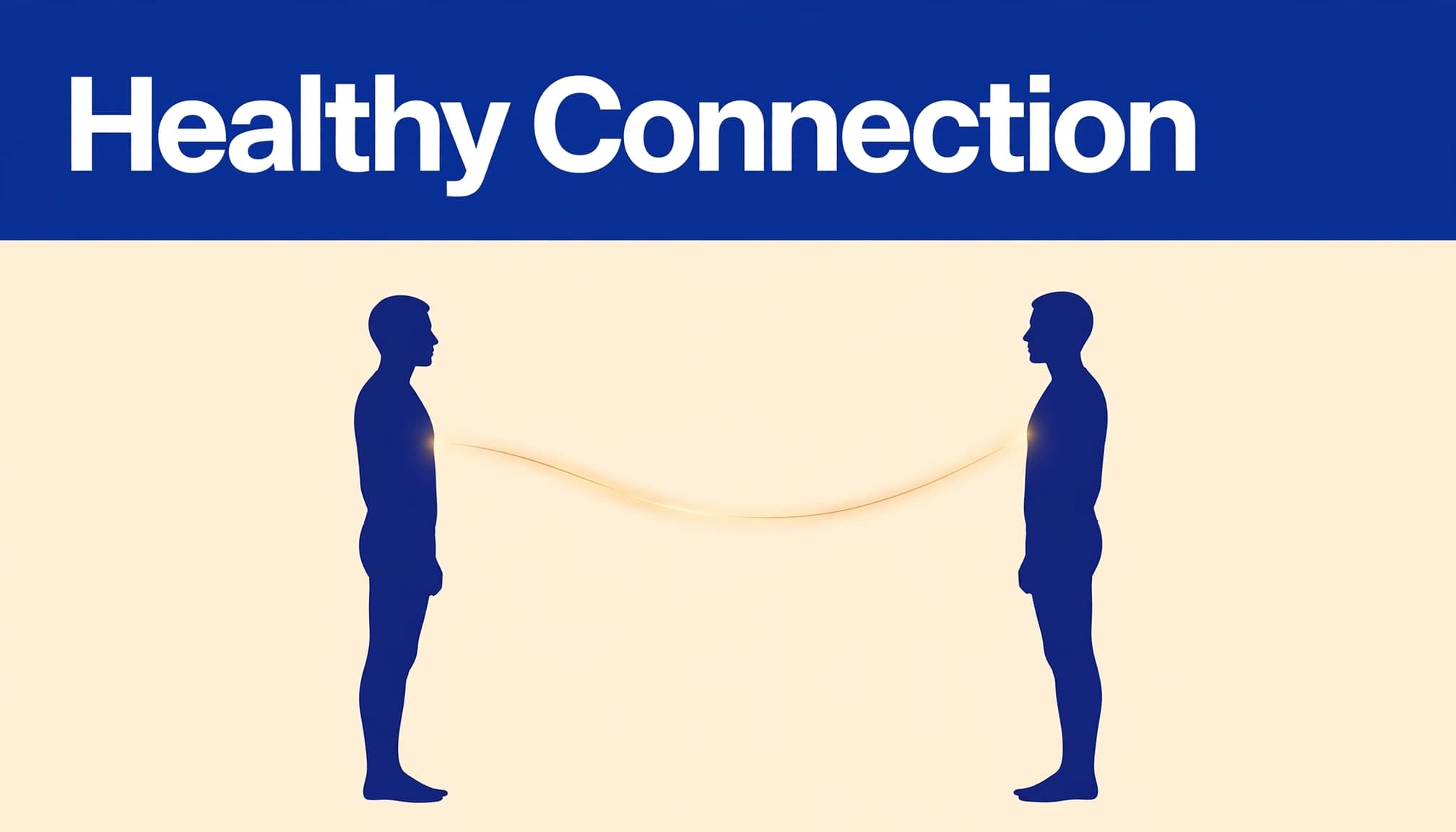
A healthy twin flame relationship leaves room for closeness and independence.
Signs the Connection Has a Healthy Foundation
You can speak honestly without bracing for retaliation. Disagreements may still hurt, but neither person uses threats, silent treatment, insults, or withdrawal of affection as punishment.
Both people keep their interests, work, friends, and family ties. They share power around time, intimacy, spending, and major decisions. An apology carries weight when it leads to changed behavior.
Most importantly, each partner can say no. A healthy connection feels more secure over time, even when two people need space.
Why Intensity Alone Does Not Prove Compatibility
Constant thoughts about someone, overwhelming chemistry, jealousy, and repeated breakups can create a powerful sense of destiny. Still, a relationship can be emotionally consuming without being emotionally safe.
Reliability is less dramatic than a reunion, but it matters more. Trust grows when a partner returns calls as agreed, tells the truth, respects privacy, and stays kind during conflict.
Love should make room for your full life. If the relationship demands that you abandon your peace, identity, or support system, intensity has become a cost.
Healthy Twin Flame Love vs. Control and Emotional Dependence
Closeness is freely chosen. Control is demanded through pressure, fear, or consequences. The difference often appears in small everyday moments, such as how a partner reacts when you don’t respond immediately.
Coercive control is a pattern of behavior that takes away a person’s freedom and controls their life. It can exist without physical violence.
Healthy care
Control or emotional dependence
Checks in because both people want contact
Demands constant replies or proof of whereabouts
Encourages time with friends and family
Pressures someone to cut off outside support
Discusses conflict directly
Uses threats, accusations, or intimidation
Respects private devices and accounts
Requires passwords, location sharing, or phone access
Accepts a boundary, even when disappointed
Mocks, punishes, or ignores a boundary
The key difference is freedom. Care leaves you with choices. Control makes ordinary choices feel dangerous.
Warning Signs That the Relationship Is Becoming Unhealthy
Pay attention if you walk on eggshells, feel pressured to answer every message, or spend increasing energy trying to prevent someone’s anger. Extreme jealousy, repeated accusations, emotional blackmail, humiliation, and obsessive texting can erode confidence over time.
Stalking, location tracking, monitoring devices, and isolation from loved ones are not signs of devotion. Research on coercive control in intimate partner violence describes how patterns of domination can restrict a person’s autonomy.
A partner may call this protection, love, or a twin flame test. The name does not change the effect. Repeated behavior that limits your freedom is a serious warning sign.
When the Runner and Chaser Pattern Is Not Romantic
The runner and chaser story can describe a painful push-pull cycle rather than a destined reunion. One person pulls away, the other pursues harder, and both become caught in periods of hope, panic, and relief.
This pattern can increase anxiety and dependence. Mixed signals may keep someone waiting for the next affectionate message or dramatic return. Over time, the relationship can become the center of every decision.
Healthy partners communicate clearly about space. They refrain from using silence as punishment and respect the distance requested by others. A relationship needs willingness from both people, not one person’s relentless effort.
Abuse Is Never Proof of a Spiritual Connection
Threats, physical violence, sexual pressure, property damage, financial control, surveillance, isolation, and intimidation are abuse. None of them prove a spiritual bond or a lesson that someone must endure.
The National Domestic Violence Hotline’s Power and Control Wheel can help identify tactics that may be difficult to recognize while living through them. If you feel unsafe, tell a trusted person, contact a qualified counselor or domestic violence service, or use local emergency resources.
In the United States, call 911 in an emergency. The National Domestic Violence Hotline is available at 800-799-SAFE (7233). Outside the United States, seek a local domestic violence organization or emergency service.
How to Build a Healthier Relationship or Decide to Step Away
Slow the relationship down enough to see it clearly. Write down what you need to feel safe, respected, and free. Then state those needs plainly and watch how your partner responds.
A spiritual idea of moving forward can be meaningful, but it should never require you to wait in pain. The final stage of the twin flame journey is often described as a calmer form of union. In real life, peace should not depend on another person’s participation.
Ask yourself:
Do I feel safe being honest?
Can I disagree without fear?
Am I free to see friends and family?
Can I be myself without being mocked or punished?
Do I feel respected more often than afraid?
Professional support can help with attachment concerns, anxiety, emotional dependence, and confusion about the relationship. You don’t need to prove the connection was meaningless before asking for help.
Set Boundaries That Protect Your Freedom
Boundaries are limits you set around your choices. They are not rules designed to control another person.
You might decide not to share phone passwords, respond to messages during work, lend money, have sex, disclose private information online, or cancel plans with friends. You may also need regular time alone.
A respectful partner may feel disappointed. However, they won’t threaten, shame, pressure, mock, or retaliate because you set a limit.
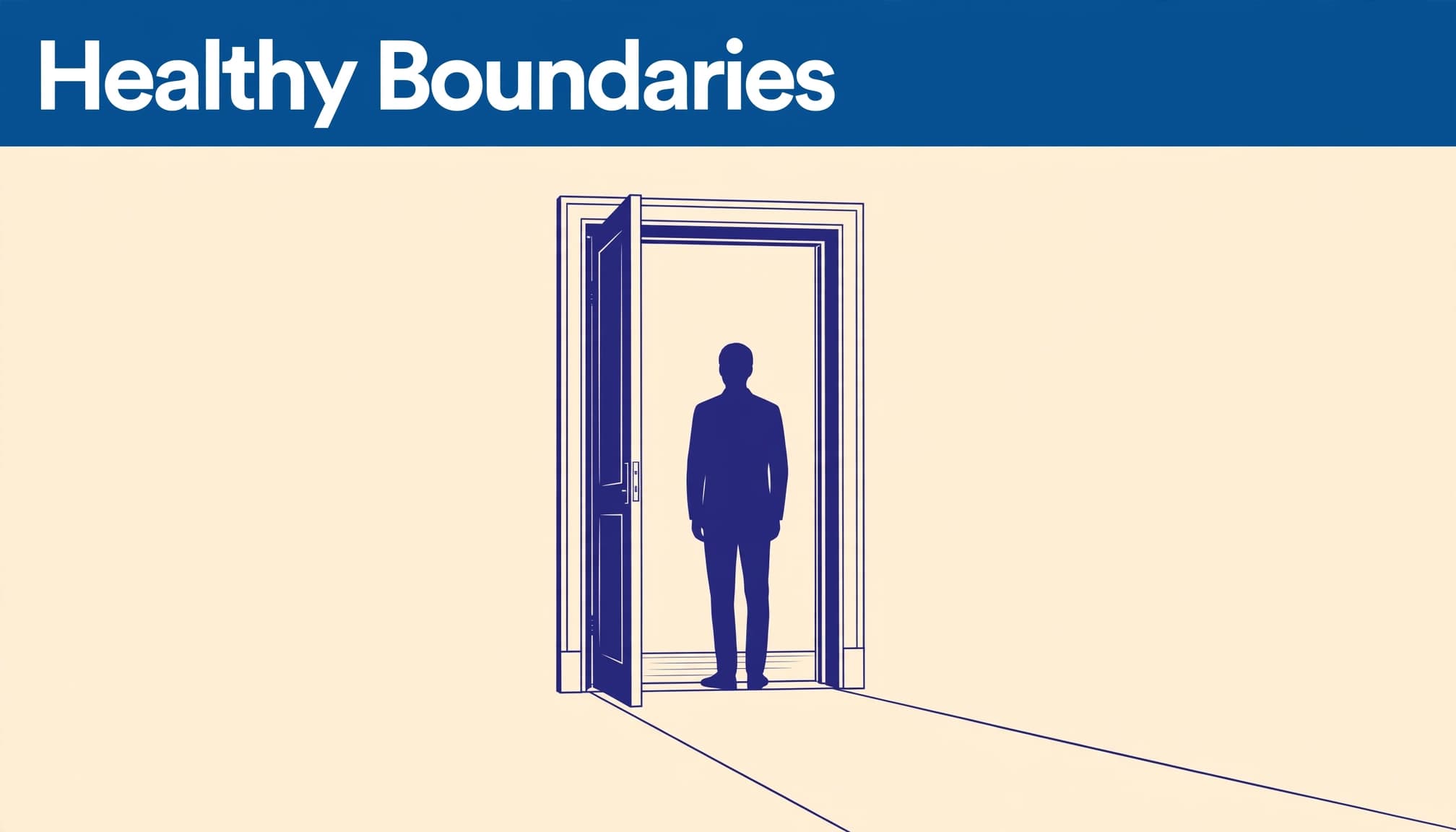
A healthy twin flame relationship protects personal freedom and clear boundaries.
Look for Consistent Change, Not Just Powerful Promises
Improvement is visible over time. Look for honest accountability, calmer conflict, respect for limits, and restored trust through repeated choices.
A dramatic apology can feel moving, especially after a breakup. Spiritual explanations, temporary distance, and intense reunions can also create hope. Yet none of them equal lasting change on their own.
Keep parts of your life that belong only to you. Maintain contact with people who know you well, pursue interests that restore your energy, and retain access to your money, transportation, documents, and communication tools.
Let Trusted People See the Full Picture
Isolation makes it easier to normalize behavior that once felt alarming. Share the whole story with someone trustworthy, including the parts that feel embarrassing or confusing.
A good listener won’t force you to defend your beliefs about the connection. They will help you notice whether you are becoming more secure, more afraid, or less free.
Make Decisions Based on Patterns
One single weekend cannot erase months of disrespect. Likewise, one difficult argument doesn’t automatically make a relationship unsafe.
Look at the repeating pattern. A healthy relationship moves toward honesty, repair, and mutual freedom. An unhealthy one circles back to fear, control, and emotional exhaustion.
Conclusion
Twin flames can have a healthy relationship when both people freely choose it and treat each other with safety, honesty, respect, and care. Intensity is not compatibility, and destiny never excuses control or abuse.
Write down how the relationship makes you feel on ordinary days, not only during reunions or conflict. If you feel afraid, isolated, controlled, or unable to be yourself, speak with someone you trust or seek professional support.