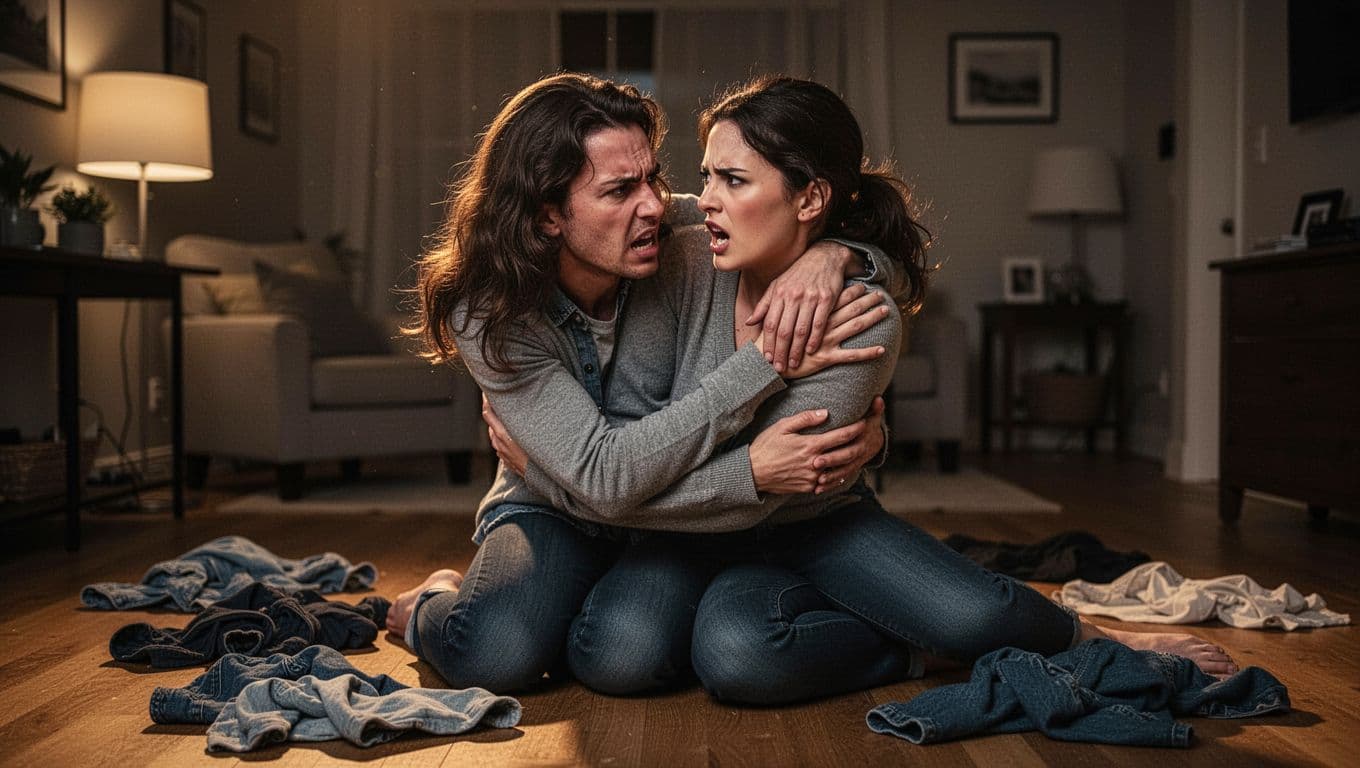
Some relationships hit like a storm. The pull is instant, the chemistry is loud, and the connection feels too strong to explain away.
Many people call this a karmic relationship, a bond that seems fated but often runs on old wounds, chaos, and painful lessons instead of peace. Some see it as spiritual. Others see trauma, attachment pain, or a harmful pattern wearing a romantic mask.
That is why karmic dynamics get confused with true love so often. Jealousy can look like devotion. Intensity can feel like depth. “Meant to be” thinking can make obvious warning signs seem romantic. The key is learning the difference between a powerful feeling and a safe relationship.
What a karmic relationship is, and why it gets mistaken for true love
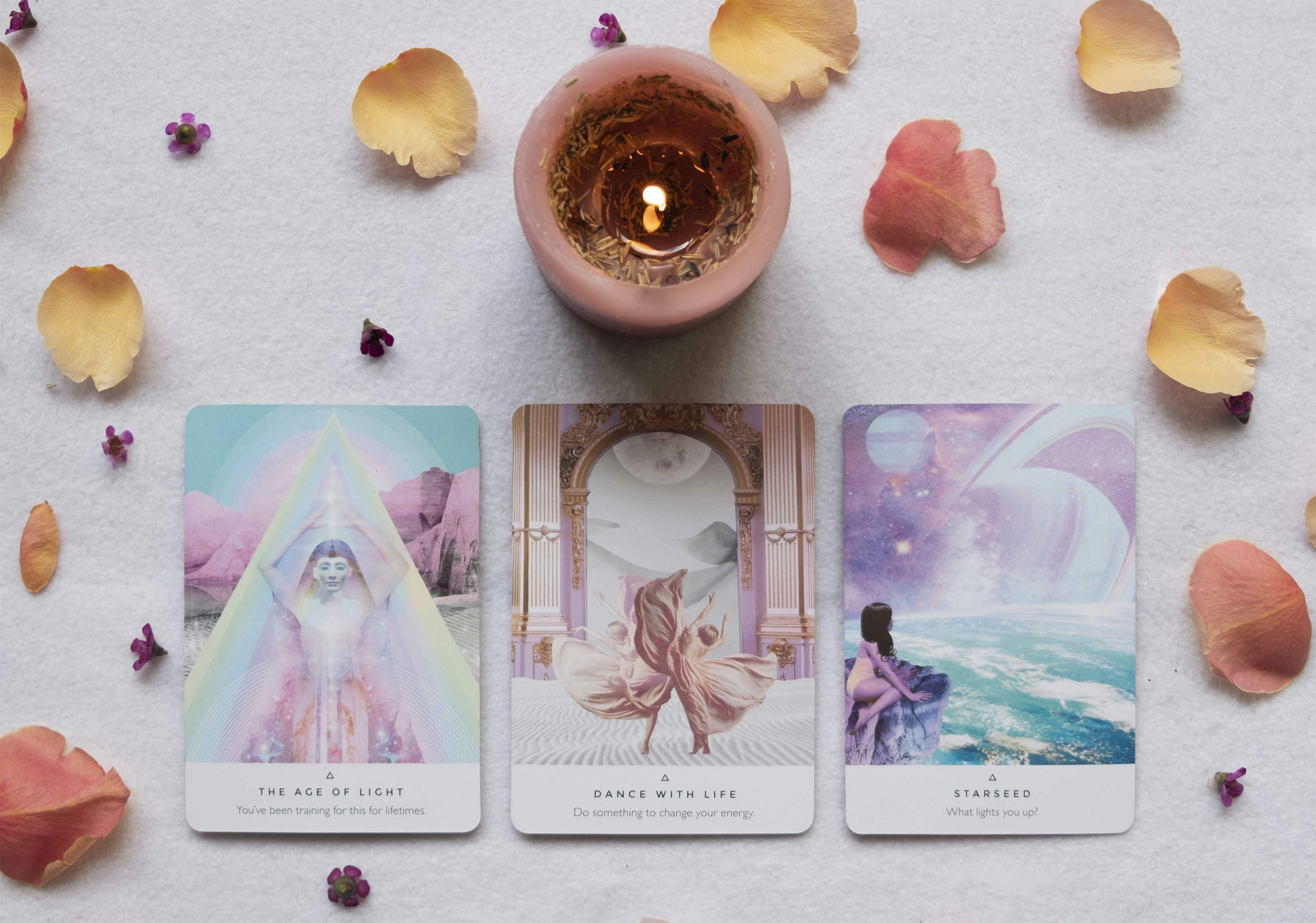
People use the phrase “karmic relationship” to describe a bond that feels loaded with meaning. It often starts fast and feels hard to resist. There may be a sense that this person arrived for a reason, even if the relationship quickly becomes messy.
Some people frame that as soul growth. Others see it through a mental health lens, with attachment wounds, poor boundaries, and familiar pain driving the bond. Both views point to the same pattern: the connection feels special, but it often hurts more than it heals.
That confusion happens because intensity is easy to mistake for love. When your heart races, your phone lights up all day, and every moment feels charged, the relationship can seem larger than life. Yet emotional safety is often much quieter.
Fast chemistry can feel magical, but speed is not the same as trust
Fast closeness can feel flattering. You stay up texting until 2 a.m. You share private stories by date three. Soon it feels like no one has ever “gotten” you this way before.
Still, trust usually grows through small, repeated actions. It builds when someone is kind on ordinary days, honest when things are awkward, and steady when life gets stressful. Speed cannot replace that.
Karmic bonds often feel urgent. Healthy bonds usually feel grounded. One says, “Hurry, don’t lose this.” The other says, “Take your time, I’m still here.”
Painful lessons often get dressed up as signs of destiny
A hard relationship can teach you something. That part is true. But learning a lesson does not mean you should keep staying in pain.
Repeated breakups, mixed signals, and emotional whiplash often get framed as proof that the bond matters. People say, “We keep coming back to each other for a reason.” Maybe there is a reason. Maybe the reason is that the pattern feels familiar.
That matters because “lesson” language can blur your judgment. A relationship may teach you to set better boundaries, speak up sooner, or leave sooner. The lesson is real, but the relationship still may not be good for you.
The red flags people romanticize most in karmic relationships
Once a relationship gets wrapped in fate and intensity, red flags can start to look poetic. A jealous outburst becomes “passion.” A huge fight becomes “proof we care.” A painful reunion becomes “destiny.”
That story is seductive because it gives meaning to chaos. It turns confusion into a plot. Yet real love does not need constant damage to prove its depth.
Strong feelings can be real, and still point to an unhealthy bond.
Jealousy gets called passion, but it usually points to fear and control
Jealousy is often sold as love with a pulse. Someone wants to know where you are, who liked your photo, why you took ten minutes to text back. At first, that attention can feel intense and flattering.
Soon, though, it can shift. They ask to check your phone. They get upset when a friend comments on your post. They want updates all day and call it reassurance. You end up proving your loyalty over harmless things.
Caring looks different. Caring respects your privacy, believes your words, and does not punish you for having a life outside the relationship. Possessiveness shrinks your world and calls it closeness.
Recent research from 2024 and 2025 linked jealousy with aggression, controlling behavior, and poor relationship functioning. That included suspicious thoughts, checking behaviors, and online monitoring. In other words, jealousy is not a cute sign of love when it turns into surveillance.
Extreme intensity can feel exciting, but calm love is usually safer
Some relationships run on emotional fireworks. The affection is huge. The fights are huge too. After each blowup comes a dramatic apology, a flood of attention, and a reunion that feels almost intoxicating.
That pattern can keep people hooked. Love bombing, fast attachment, and dramatic makeups create a sense that the bond is rare and irreplaceable. Meanwhile, the nervous system stays on high alert. You are not only in love, you are bracing.
That is one reason chaos can feel powerful. The body reacts strongly to threat and relief. When the bad moments drop away for a while, the good moments can feel even brighter. Yet that does not make the relationship healthy. It often means the cycle is training you to crave relief.
Healthy conflict looks less dramatic. Both people stay present, even when upset. The goal is understanding and repair, not winning, punishing, or pulling the other person back with grand gestures.
“Meant to be” thinking makes people ignore what is right in front of them
Destiny language can become a shield against reality. “We always find our way back.” “No one has ever made me feel this much.” “The pain must mean this matters.” Those thoughts can sound romantic, especially after a breakup or a reunion.
The problem is simple. Once you believe the relationship is written in the stars, every warning sign starts to look like part of the story. Broken trust becomes a test. Mixed signals become timing. Disrespect becomes fear of love.
This mindset keeps people stuck because it turns evidence upside down. Instead of asking, “How am I treated?” they ask, “How powerful is this feeling?” That is a risky trade.
A relationship can feel life-changing and still be wrong for your life.
How these patterns affect your mind, body, and daily life
Romanticizing chaos has a cost. Over time, the relationship can start to shape your mood, your sleep, your focus, and your sense of self. Life gets smaller while the relationship gets bigger.
That shrinking often happens slowly. You may not notice it at first because the highs are still bright. Then one day, you realize your whole week rises and falls with one person’s texts, tone, and attention.
When love feels like walking on eggshells, your body keeps the score
Stress shows up in ordinary moments. You check your phone with dread. You replay arguments in the shower. You wake up at 3 a.m. and scan old messages, searching for proof that things are okay.
Relief may only come during the good moments, which makes those moments feel precious. Yet if peace only appears in brief pockets, your body never gets to settle. That is why unstable relationships can leave people feeling tense, tired, and emotionally scrambled.
Love should not feel like waiting for the next alarm to go off.
You may start losing your own voice to keep the peace
People in these dynamics often edit themselves. They avoid topics that trigger a fight. They hide harmless friendships. They stop saying, “That hurt me,” because the other person’s reaction feels too big.
After a while, self-betrayal can start to feel normal. You tell yourself you are being patient, loyal, or understanding. In truth, you may be abandoning your own needs to manage someone else’s moods.
That loss of voice is one of the clearest signs that the relationship is costing too much. Suffering is not proof of devotion. It is often proof that your boundaries need care.
What healthy love looks like instead of karmic chaos
A healthy relationship can still be deep, magnetic, and meaningful. It simply does not demand confusion as the price of closeness.
You do not need jealousy to feel chosen. You do not need drama to feel alive. You do not need fate talk to excuse what hurts.
Real connection feels steady, mutual, and emotionally safe
Secure love is not dull. It is warm, open, and reliable. Both people can tell the truth without fear. Boundaries are respected. Conflict happens, but repair happens too.
There is room for each person to have friends, hobbies, work, rest, and a private inner life. Love adds to that life. It does not swallow it whole.
In a steady bond, affection is not used as a reward after mistreatment. Care is not yanked away to create panic. The relationship feels safe enough for both people to relax into it.
If the pattern feels familiar, pause before you call it fate
If this dynamic sounds familiar, slow the pace. Watch behavior more than promises. Notice how you feel after time together, not only during the high points.
It also helps to talk with trusted friends who know you well. Write down repeating patterns, especially after fights, breakups, and reconciliations. Seeing the cycle on paper can cut through the fog.
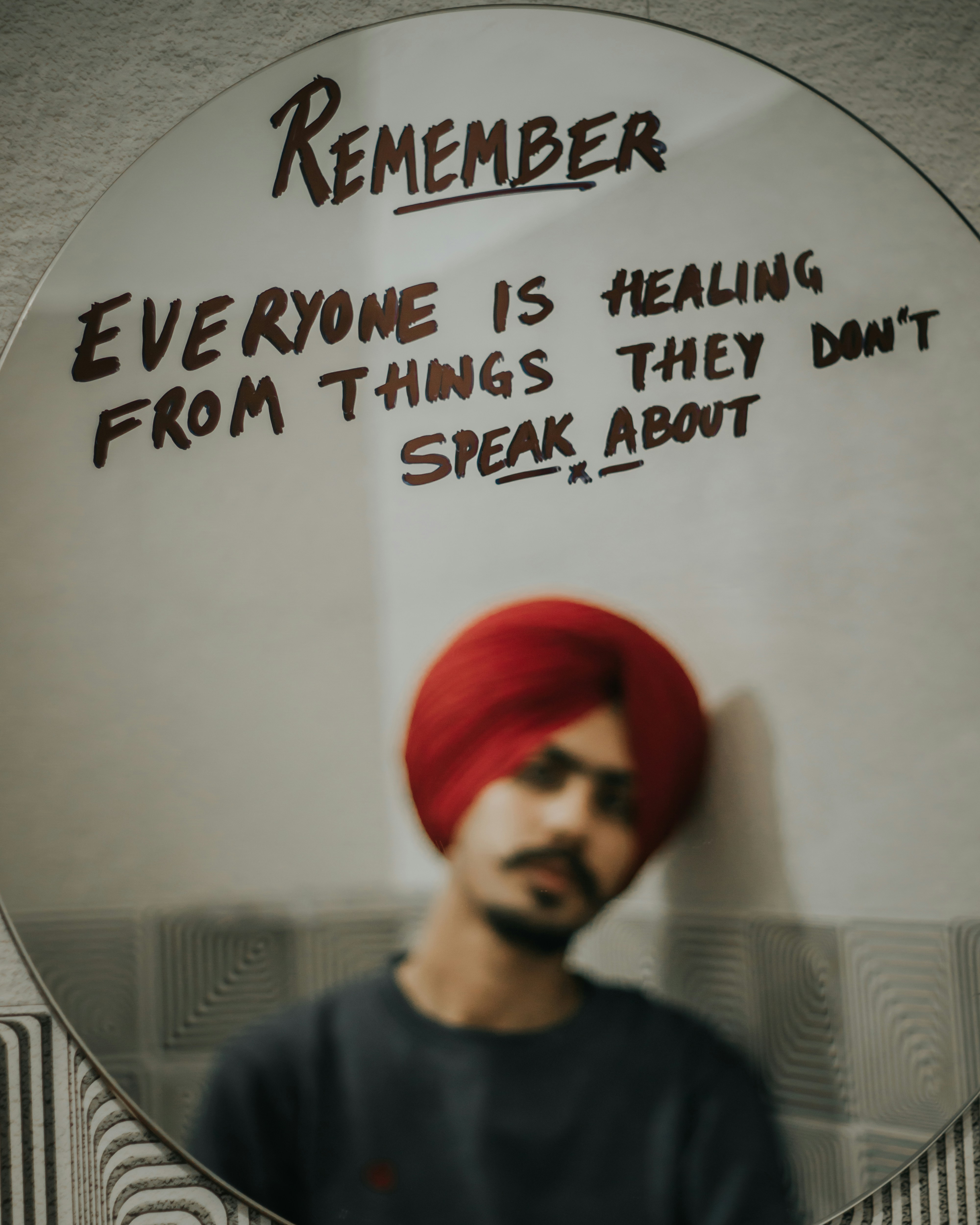
If the relationship feels consuming, support can help. Therapy, support groups, or honest conversations with grounded people can make it easier to hear your own voice again.
“Meant to be” matters less than safe to be in.
A relationship can feel cosmic and still be asking too much of your mind and body. Jealousy, extreme intensity, and “meant to be” thinking are often romanticized because they create a powerful story.
But stories do not hold you at night. Behavior does. A healthy relationship brings trust, room to breathe, and the freedom to stay connected without losing yourself.
If a bond keeps asking you to trade peace for passion, pay attention. Love grows best where there is safety, honesty, and choice, not where chaos is mistaken for fate.