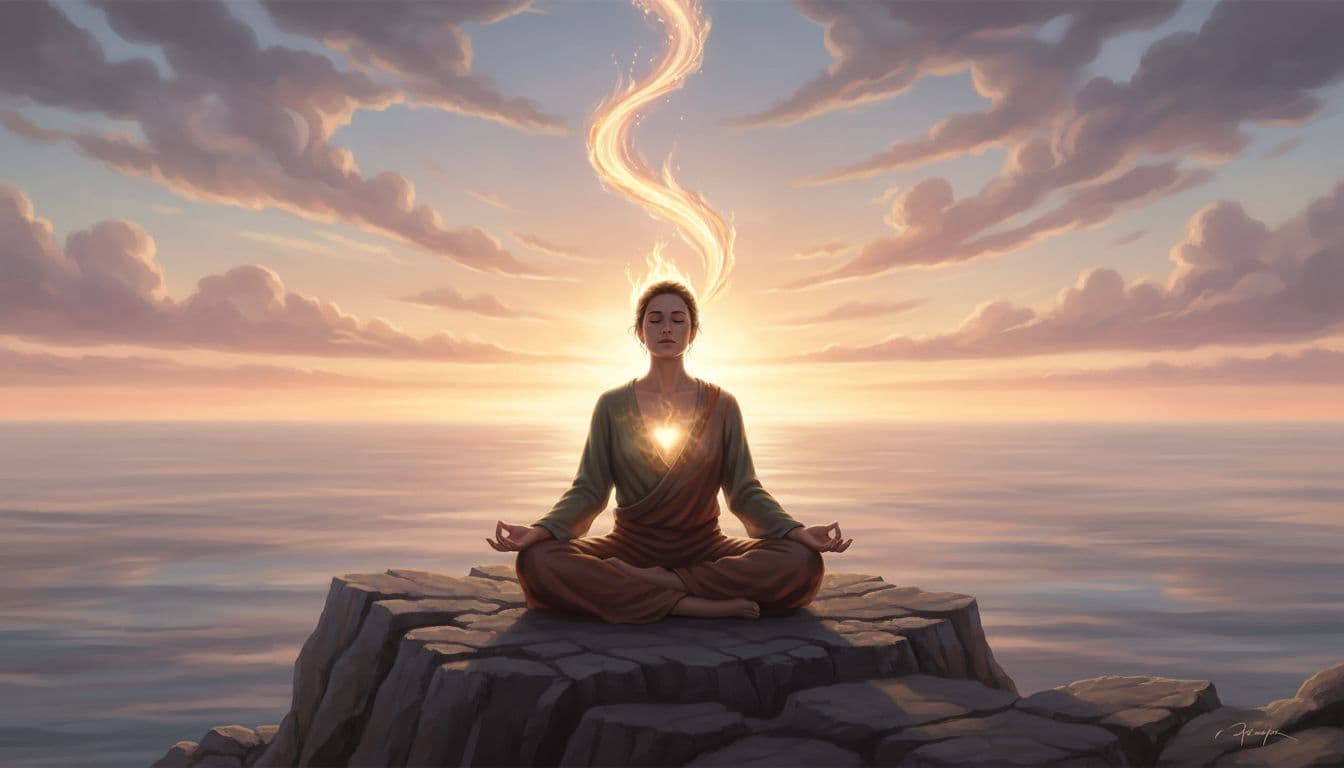
Sometimes two people feel pulled toward each other before anything real has even begun. It can show up as a strange ache, a dream that lingers after sunrise, or a sense that life is about to turn a corner.
That feeling often gets wrapped into the idea of a twin flame journey. People usually describe it as eight stages, moving from longing and recognition to distance, healing, and sometimes reunion. Still, no two paths look the same.
This guide keeps both feet on the ground. You’ll see what each stage tends to feel like, why so many people connect with this model, and how the process can push growth, whether the story ends in reunion or a new road.
What a twin flame journey really is, and why people talk about eight stages
A twin flame journey is usually described as a rare soul bond that feels mirror-like. In that view, the other person reflects your gifts, your fears, and the parts of yourself you’ve tried to hide. That idea is spiritual, personal, and impossible to prove in a scientific sense. Still, many people use it because it gives shape to a connection that feels larger than ordinary attraction.
The eight-stage model stays popular because it turns emotional chaos into a map. It gives names to the highs, the breaks, and the healing. In April 2026, many US conversations around twin flames center on healing family patterns, avoiding spiritual bypassing, and choosing self-awareness over fantasy. That shift matters, because it moves the topic away from obsession and closer to personal responsibility.
Some stage lists vary. One version may say “crisis,” another may say “testing.” A third may split healing into separate phases. Even so, the core idea stays the same: the bond wakes people up, then asks them to grow.
Twin flame vs. soulmate, what people usually mean
People often use “twin flame” and “soulmate” as if they mean the same thing. Most descriptions make a clear split. A soulmate is usually seen as steady, warm, and easier to build with over time. A twin flame is usually framed as more intense, more mirrored, and more likely to stir old wounds.
That doesn’t make one bond better. It simply points to a different kind of lesson. If you want a quick side-by-side explanation, Paired’s overview of twin flame vs. soulmate differences sums up the contrast in plain language.
Why the eight-stage model resonates with so many readers
These stages speak to people because confusing feelings are hard to carry without a story. When attraction feels fated, then painful, then healing, a simple framework can calm the mind. It says, “You’re not crazy. You’re in a process.”
It also fits the push and pull many people describe. They notice repeated numbers, emotional highs, sudden fear, or a breakup that feels larger than a breakup. Some want meaning. Others want relief. Either way, the stages offer a language for both.
The early stages: longing, meeting, and the first rush of recognition
Most twin flame stories don’t start with fireworks. They start with a space in the chest that doesn’t have a name yet. Then life shifts, someone appears, and the air seems charged.
The yearning stage can feel like a quiet ache
Before the meeting, many people describe a restless season. Life looks fine on paper, yet something feels unfinished. You may throw yourself into work, hobbies, or dating and still sense that a page hasn’t turned.
Common signs linked to this stage include vivid dreams, repeated numbers, sudden mood swings, or the strange feeling that change is near. That doesn’t prove a twin flame connection. It does show how the mind and heart search for meaning when something inside wants to wake up.
The ache can be soft, but it can also shape your choices. You may clean out old habits, end stale bonds, or feel less willing to live half-awake. That inner shift often matters more than any sign.
The meeting stage often feels instant and unforgettable
Then comes the meeting. People often describe this moment as strange in the best way. The chemistry feels strong, yet the comfort feels stronger. Instead of feeling like a stranger, the other person can feel familiar, almost remembered.
That instant recognition is one reason the idea of twin flames holds such appeal. Some stage descriptions, such as this overview of the twin flame journey stages, place strong weight on the first meeting because it feels unlike ordinary attraction.
The honeymoon stage can hide the deeper work ahead
After that, the bond can feel bright and almost unreal. Conversations flow. Time bends. The world seems to sharpen around the relationship. For a while, it may feel like you’ve found the missing piece.
Yet this stage often carries the seeds of the harder ones. The connection can act like a mirror, showing both your beauty and your fear. A compliment lands hard because you don’t believe it. A small silence hurts because it touches an old wound. The joy is real, but so is the pressure building under it.
Early bliss can feel magical, but it often opens the door to work neither person expected.
When the connection gets harder, the mirror starts to show
At some point, real life arrives. The glow fades enough for patterns to show. Then the bond starts pressing on the places that still hurt.
The testing stage brings real-world pressure
This stage often feels confusing because the pull remains strong while the ease starts to crack. Old pain rises. Timing problems get louder. One person wants more closeness, while the other feels exposed. Daily life, past baggage, and fear now sit at the same table.
Testing doesn’t always look dramatic. Sometimes it’s a series of small cuts: mixed signals, jealousy, distance, poor timing, or clashing needs. The point is not punishment. The point is exposure. The bond starts showing each person where healing is overdue.
Many spiritual stage guides, including this 2026 breakdown of the eight stages, describe this part as the start of awakening through friction. That idea helps because it frames conflict as information, not proof that the bond was fake.
The runner and chaser dynamic is usually about fear, not lack of love
Then the push-pull pattern often begins. One person pulls away. The other reaches harder. The more one runs, the more the other chases. It can feel cruel, but it usually grows from overwhelm.
The runner often fears being consumed, seen too clearly, or forced to change. The chaser often fears abandonment and tries to repair the bond through effort, contact, or reassurance. Both positions hurt. Both can come from old wounds. And both can swap over time.
Compassion matters here. Blame doesn’t heal this stage. Clear boundaries, honest reflection, and sometimes therapy do far more than another late-night text.
Separation and surrender are where real healing begins
For many people, this is the center of the whole journey. It’s the phase that strips away fantasy and leaves only truth.
Separation gives each person space to heal
Separation is often described as the most painful stage because the bond still feels alive while the relationship is no longer active. Time apart can last months, years, or longer. During that gap, grief tends to mix with growth.
This is where childhood wounds often show up in plain sight. Fear of rejection, people-pleasing, weak boundaries, shame, and family patterns can all rise to the surface. In April 2026, many US twin flame discussions focus on healing the “mother line” and breaking old relationship cycles. Whether or not you use that language, the core point is clear: separation often forces inner work that romance alone can’t do.
Some readers find comfort in The Mystica’s guide to separation and reunion stages, especially because it treats time apart as more than loss. That matters. If you use this model, separation is not empty space. It’s where self-worth gets rebuilt.
Surrender means letting go without giving up on yourself
Surrender is often misunderstood. It doesn’t mean you stop caring. It means you stop gripping the outcome so hard that it breaks your peace. You stop reading signs all day. You stop making your whole future depend on one person waking up.
That change is subtle at first. You sleep better. You return to your own life. You eat, work, laugh, and make plans again. The bond may still matter, but it no longer runs the room.
Surrender is the moment you choose peace over pursuit.
This stage is often the healthiest turn in the journey. You trust timing more than panic. You let love be real without letting it rule your self-respect. And if reunion comes later, it comes to a calmer, stronger version of you.
Union, or a different ending, happens only after deep growth
The final stage gets the most attention, but it only works after the earlier work sinks in. If reunion happens, it’s meant to feel steadier than the first rush.
What harmonious union is supposed to feel like
Harmonious union is usually described as calm, mutual, and grounded. The old chaos settles. Love stops swinging between obsession and fear. Both people can speak honestly, hear each other, and hold space for real intimacy.
In many descriptions, union also includes shared purpose. That doesn’t mean grand missions or dramatic signs. It can mean building a healthy life, supporting each other’s growth, and choosing respect every day. A useful comparison appears in this discussion of twin flames and soulmates, which notes that twin flame stories often move through fire before they reach peace.
Sometimes the lesson is healing, not reunion
A grounded view matters here. Not every twin flame story ends in a physical relationship. Sometimes one person refuses the work. Sometimes timing never lines up. Sometimes the awakened person outgrows the bond and finds healthy love elsewhere.
That outcome is not failure. If the connection pushed you toward self-respect, emotional balance, and truth, it changed your life in a real way. The lesson may have been union with yourself first. For some people, that’s the real ending that brings peace.
Final thoughts
The eight stages of a twin flame journey give shape to an experience that can feel wild, tender, and hard to explain. They are a map, not a rulebook. Your path may skip steps, repeat them, or lead somewhere you didn’t expect.
What matters most is not whether every sign fits. What matters is whether the journey moves you toward healing, self-awareness, and a steadier heart. If reunion comes, let it come from growth. If life opens another door, honor that too.