A room painted in soft green can slow your breath before you notice it. A bright yellow notebook can lift your mood on a dull afternoon. That simple pull is part of why color therapy feels so appealing right now.
People often turn to color for comfort, focus, and a sense of reset. Chakra balancing adds a spiritual layer to that search, linking certain colors to energy centers in the body. While many people find these practices soothing, chakra work is a wellness ritual, not a proven medical treatment.
Still, color is part of daily life, and it can shape how a space feels, how clothing lands on your mood, and how a quiet moment unfolds. That makes it worth exploring in a grounded, personal way.
What color therapy really means in everyday life
Color therapy is the practice of using color on purpose to support a certain feeling. Some people want calm, so they lean toward soft blues or greens. Others want drive, so they reach for red, gold, or warm orange. The idea is simple: color can nudge mood, attention, and comfort.
That doesn’t mean color works like medicine. It doesn’t fix illness, and it doesn’t affect everyone in the same way. Still, color can shape your mental space because your brain connects shades with memory, culture, weather, and past experience. A pale blue bedroom may feel peaceful to one person and cold to another.
In daily life, people bring color therapy into places they already touch. They wear a shade that matches the mood they want. They switch on a warm lamp at night. They choose artwork with restful tones, or they sit with a certain color during meditation.
Because these choices are easy, they can become small anchors. A jade pillow on a reading chair or a soft white wall in a meditation corner can change the feeling of a room without saying a word.
How colors can shape mood and energy
Some color associations are common. Blue often feels calm and spacious. Green can feel steady, fresh, and close to nature. Red tends to feel bold, warm, and alert. Yellow often feels bright, hopeful, and awake.
Still, color is personal. Someone who grew up near the sea may find blue energizing, not restful. A yellow room might feel cheerful to one person and busy to another. Culture matters too, because colors carry different meanings in different traditions.
So the best way to use color is to treat it as mood support, not a rule book. Notice what softens you, what sharpens your focus, and what feels heavy. Your response matters more than any chart.
Where people use color therapy at home and in daily routines
Color therapy fits best when it slides into normal habits. In bedrooms, many people choose muted tones because sleep needs softness. In 2026, calming spaces often feature sage, teal, terracotta, soft white, and warm khaki. These colors feel settled rather than stark.
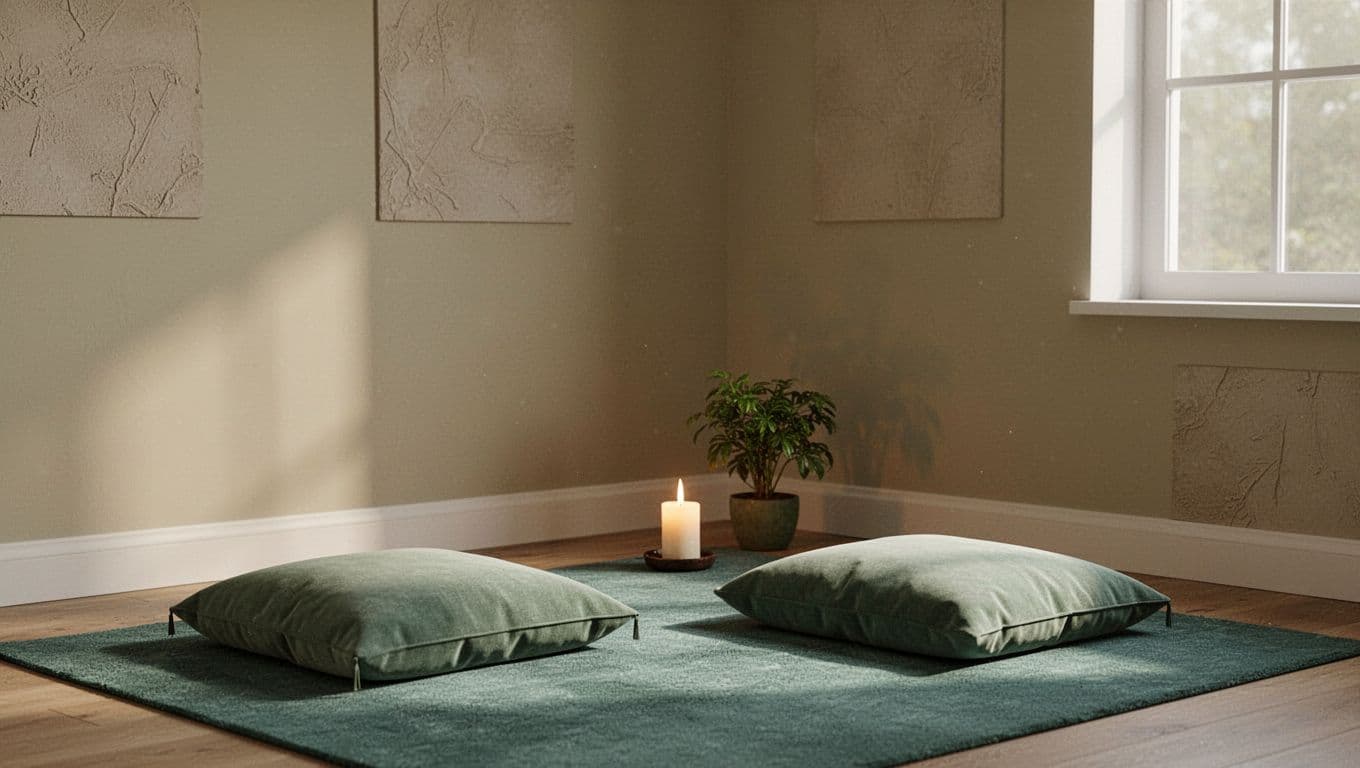
A home office can use color in smaller doses. A patina blue mug, a green plant, or a terracotta notebook can warm the space without crowding it. Meditation corners often look best with gentle contrast, such as soft white walls, a teal rug, and a sage cushion.
You can also carry color with you. A scarf, sweater, journal, candle, or phone wallpaper can become part of your routine. These touches don’t need to be dramatic. Often, one thoughtful shade is enough.
The seven chakras and the colors linked to each one
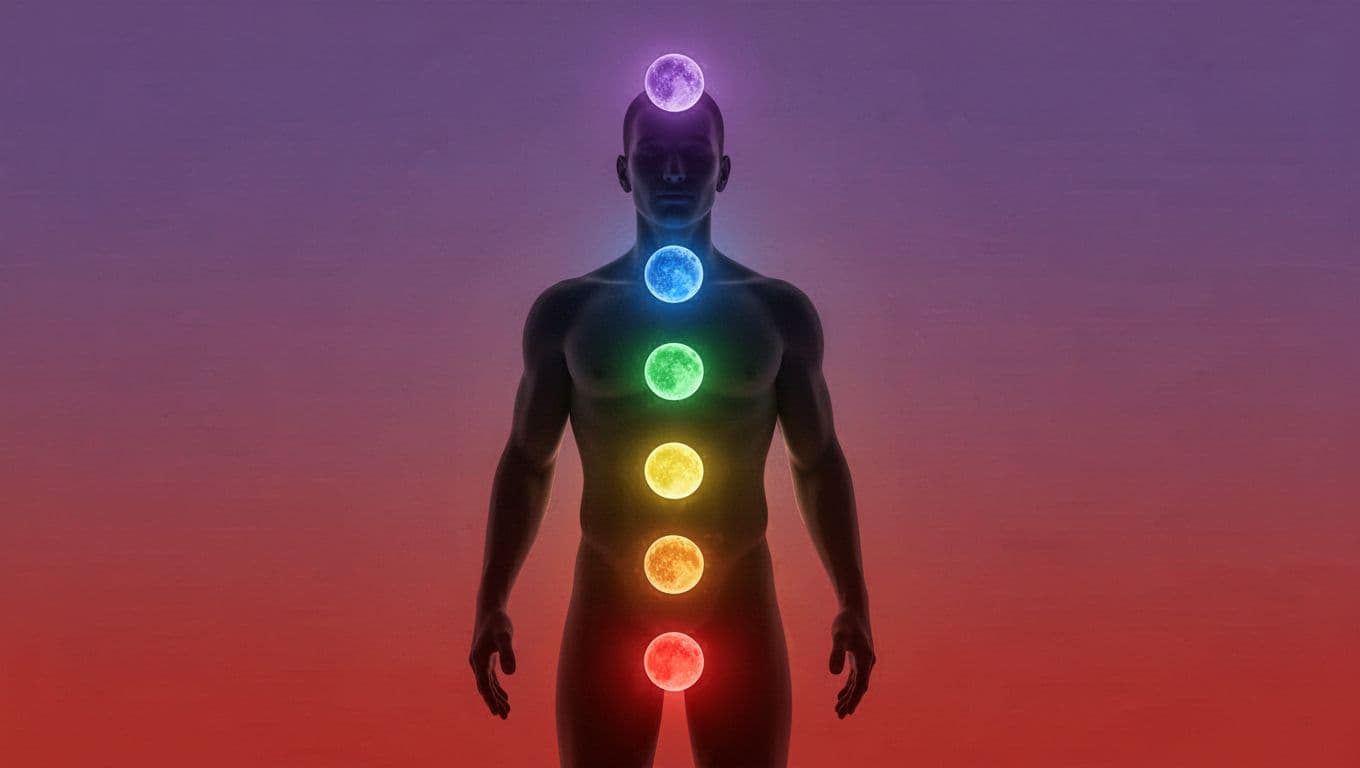
Chakra balancing comes from spiritual traditions that describe seven main energy centers in the body. Each chakra is linked with a place in the body, a color, and a set of emotional or spiritual themes. Some people use these links during prayer, meditation, movement, or quiet reflection.
The system isn’t a medical map. It’s a symbolic one. For many people, that symbolic layer makes self-reflection easier because each chakra gives a feeling a color and a place to rest.
Root, sacral, and solar plexus chakras
The root chakra is linked with red and is often placed at the base of the spine. It relates to safety, grounding, and basic stability. When people talk about this chakra feeling “off,” they usually mean fear, restlessness, or a shaky sense of support.
The sacral chakra is linked with orange and sits in the lower abdomen. It connects with pleasure, creativity, emotion, and flow. In spiritual language, imbalance may show up as numbness, guilt, or a lack of joy.
The solar plexus chakra is yellow and is thought to rest around the stomach area. It is tied to confidence, will, and personal power. When this center feels weak in chakra practice, people often describe self-doubt, low drive, or trouble setting boundaries.
Heart, throat, third eye, and crown chakras
The heart chakra is usually green and sits at the center of the chest. It is linked with love, healing, compassion, and openness. Many people choose green decor or nature walks when they want this part of life to feel softer.
The throat chakra is blue and connects to communication and truth. It is thought to sit at the throat. Calm blue tones in clothing, journals, or room accents can support a mood of honesty and expression.
The third eye chakra is indigo and rests at the forehead. It is tied to intuition, insight, and inner vision. People often use darker blue-purple tones for quiet reflection, especially in evening rituals.
The crown chakra is violet, and sometimes white, at the top of the head. It is linked with spiritual connection, meaning, and awareness. Modern wellness spaces often lean into soft white, digital lavender, and teal because these shades feel open and calm without becoming cold.
Chakra colors work best as gentle symbols. They give your attention a place to land.
Simple ways to use color for chakra balancing
You don’t need a special room, expensive tools, or a perfect routine. Color-based chakra work is often strongest when it stays simple. Start with one chakra, one color, and one intention. That keeps the practice clear.
Maybe you want more grounding, so you bring in red or earthy brown tones. Maybe you need ease in conversation, so you choose a soft blue scarf or candle. The point is to pair color with attention. When both move in the same direction, the practice feels more real.
Color can enter through meditation, clothes, journals, blankets, lamps, flowers, or wall art. Even light matters. Warm evening light feels different from bright white overhead light, and that shift can change your mood quickly.
Pick one area of life that feels noisy or thin. Then choose the chakra theme that matches it. Stay there for a week. Notice your mood, your energy, and the tone of your day.
Color meditation and visualization that feels easy to practice
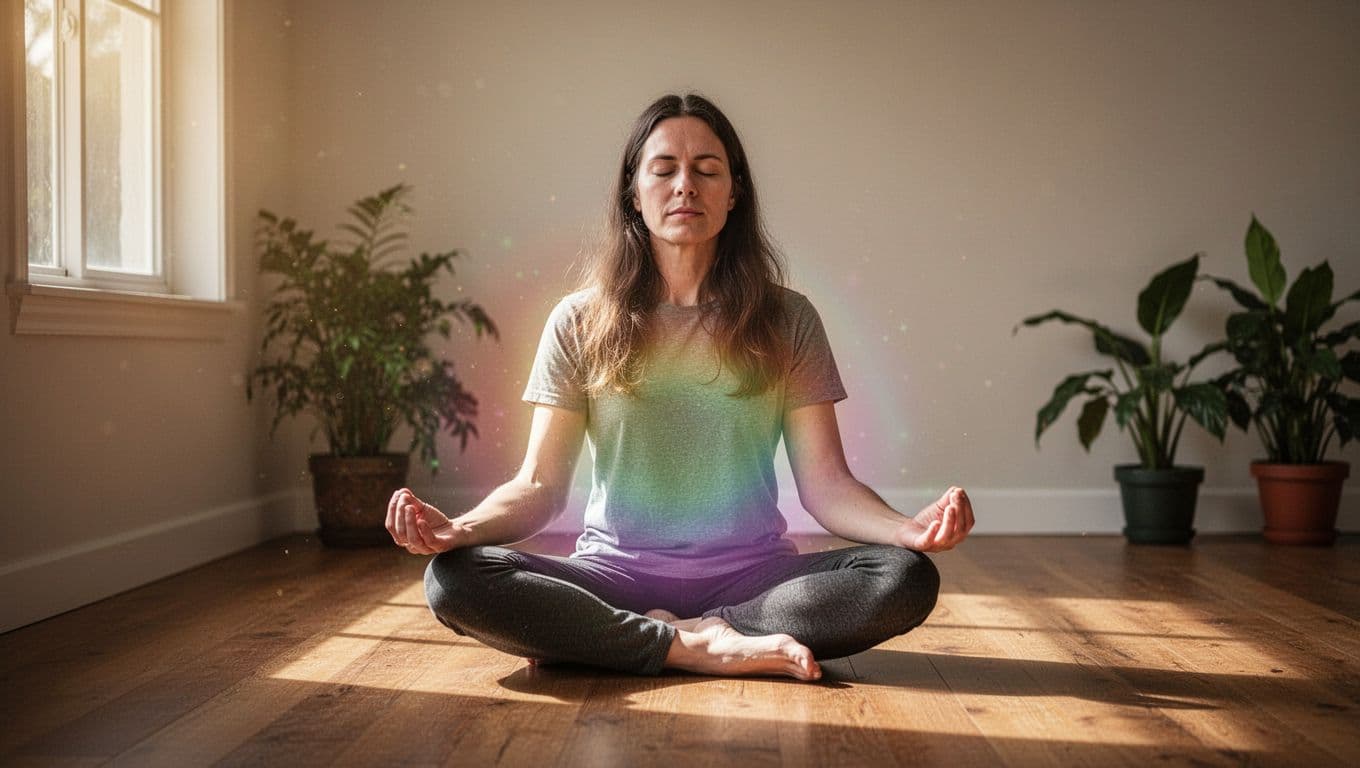
A beginner practice can be short. Sit somewhere comfortable. Slow your breath. Then picture a soft ball of color glowing at the chakra point you want to focus on.
If you choose the heart chakra, imagine green light in the center of your chest. If you choose the solar plexus, picture yellow warmth around your stomach. Keep the image gentle. It doesn’t need to be vivid.
Five to ten minutes is enough at first. The goal is awareness and relaxation, not perfection. If your mind drifts, return to the breath and the color. Over time, this can become a quiet daily check-in.
Using clothes, crystals, candles, and room colors
Wearable color is one of the easiest tools. A red sweater can support a grounding day. A jade green top may suit a heart-centered mood. A blue scarf can feel right before a hard talk.
Home accents work well too. Try a terracotta blanket for warmth, a patina blue lamp for evening calm, or a soft white wall for a sense of space. In 2026, many soothing interiors mix earthy neutrals with one richer wellness color, such as teal, lavender, or moss green.
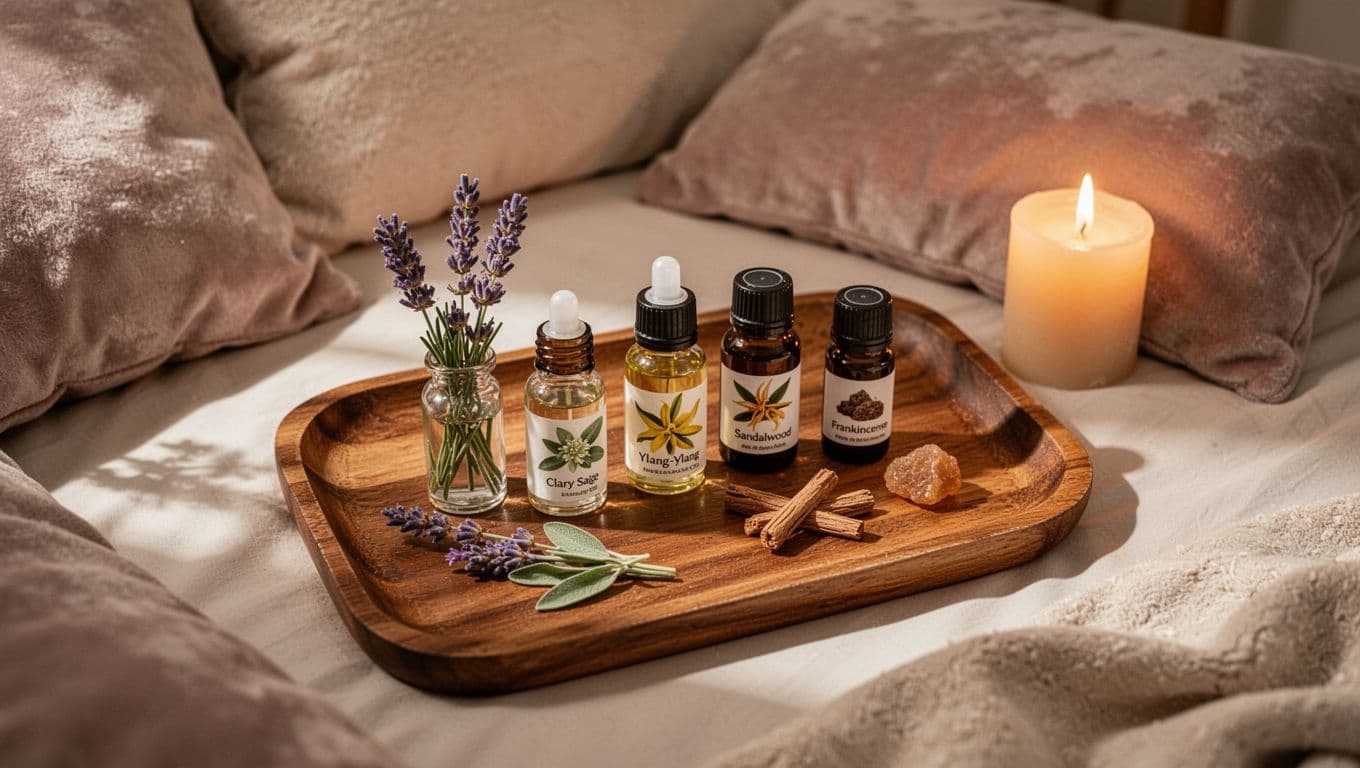
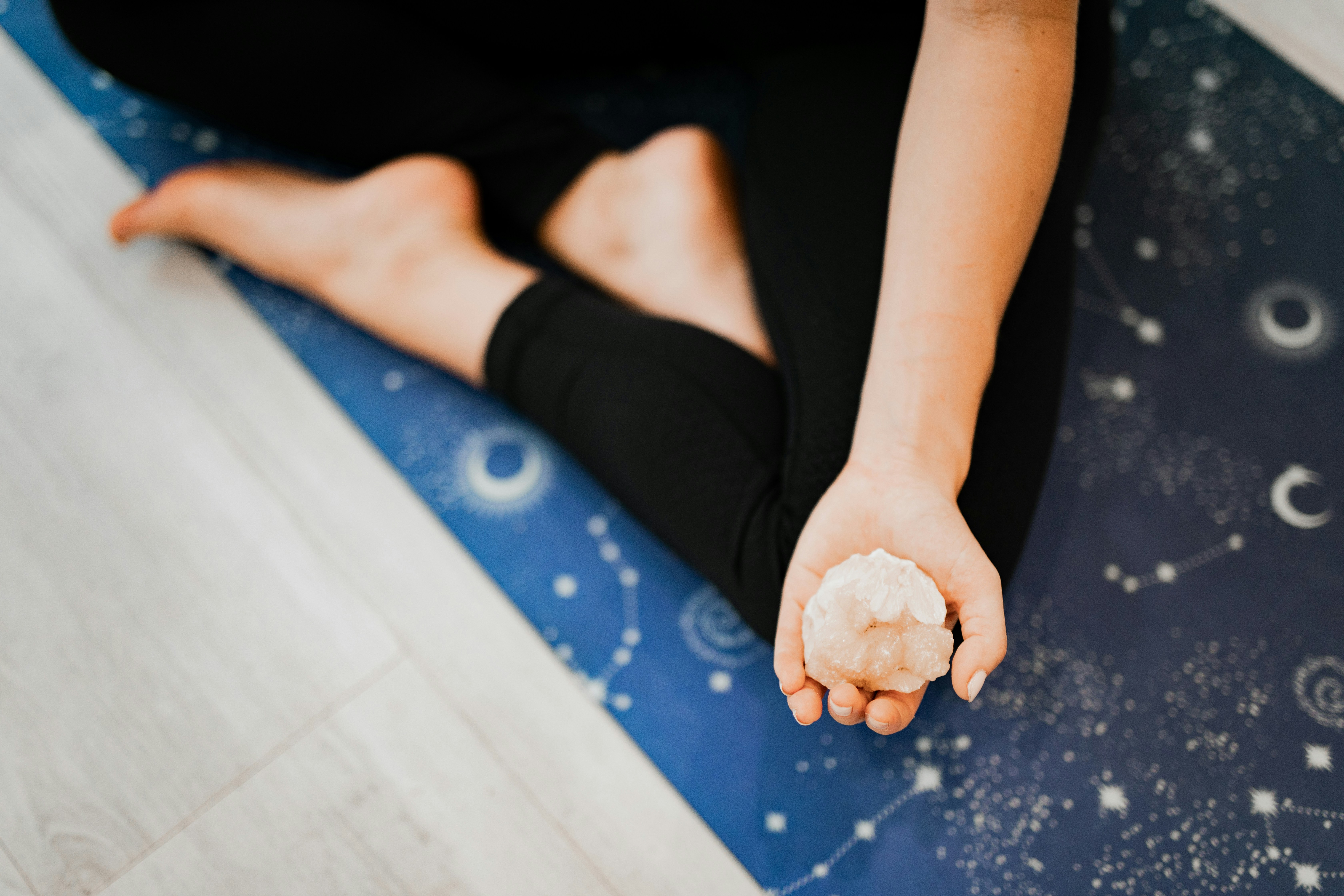
Candles can support the mood if you use them safely. Crystals are optional, not required. If you enjoy them, use them as reminders rather than magic objects. A rose-toned stone near your journal or a green stone beside a plant can be enough.
What the science says, and how to use color therapy wisely
Science gives a mixed picture. There is solid support for the idea that color can influence mood, attention, and the feel of a space. Designers, hospitals, schools, and brands have worked with that fact for years. Light and color can affect comfort, alertness, and emotional tone.
What science does not strongly prove is that color therapy or chakra balancing can treat disease or repair invisible energy centers in the body. Research in this area is limited, and many claims go far beyond the evidence.
That doesn’t make the practice useless. It means the value is often personal. Color can help you slow down, set an intention, and build a steady self-care rhythm. Chakra work can give emotional language to what feels blocked, tender, or active in your life.
The real benefits people often notice
People often say they feel calmer, more focused, or more settled when they use color with intention. Some feel more creative when they work with orange or yellow. Others feel more centered when they bring in green, brown, or soft blue.
These benefits are subjective, and they vary. Still, subjective doesn’t mean fake. A practice that helps you pause, breathe, and notice your state can be useful. That value comes from self-awareness, ritual, and mood support.
When to treat it as a wellness practice, not a medical fix
Use color therapy and chakra balancing as part of self-care, reflection, or spiritual practice. Keep expectations realistic. If you’re dealing with heavy stress, panic, pain, depression, sleep problems, or other health concerns, a qualified professional should be part of your support.
Warm rituals can sit beside real care. A calming blue room may help you rest, but it doesn’t replace treatment. That balance keeps the practice honest, safe, and kind.
Conclusion
Color can change the feel of a room, a routine, or a quiet moment. Color therapy uses that effect in simple, personal ways, while chakra balancing adds a spiritual map for reflection and intention.
You don’t need to change your whole life to try it. Start small, choose one color that speaks to your mood, and pay attention to what shifts. A soft green corner, a blue candle, or a few minutes of yellow light in your mind may be enough to begin.
chakras, color therapy, meditation, energy, wellness