Disclosure: This article contains affiliate links. As an Amazon Associate, Soul Connections Hub earns from qualifying purchases, at no extra cost to you. Learn more.
Some people call it loyalty while they grow quieter in their own life. They stay, explain, forgive, and wait, even as their chest feels tight and their spirit feels worn thin. From the outside, it can look noble. On the inside, it can feel like slowly disappearing.
That’s the hard shift: loyalty is not blind staying. It’s not proving your love by swallowing hurt. Real loyalty includes self-respect, and self-respect changes what you’ll accept.
If you’ve ever confused commitment with self-betrayal, this is for you. Let’s separate steady love from the kind of endurance that leaves you empty.
Why so many people confuse loyalty with endurance
Many of us learned early that love means hanging on. Family stories praised the one who stayed. Faith taught patience. Past heartbreak taught you not to give up too soon. Fear whispered that leaving makes you selfish, cold, or weak.
So you kept holding the rope, even when it burned your hands.
This confusion makes sense. Endurance can look beautiful from a distance. It looks faithful, strong, forgiving. Yet up close, it often feels hollow. You smile more softly. You ask for less. You tell yourself this is what good people do.
The trouble is simple. A relationship can survive your silence for a long time. That doesn’t mean it’s healthy.
The messages that taught you to stay even when it hurt
Most people don’t wake up one day and choose self-abandonment. They inherit it. They hear lines like, “Good people don’t give up,” or “Real love waits,” or “If you leave, you failed.” Those messages can shape romantic bonds, family ties, and friendships alike.
So when someone keeps crossing the line, you don’t call it harm. You call it history. You call it stress. You call it a rough season. In other words, you rename the wound so you don’t have to face it.
Maybe you learned that being needed is the same as being loved. Maybe you saw adults confuse suffering with devotion. Maybe peace in the room mattered more than truth in the room. If so, staying became your proof of character.
Still, not every lesson deserves a lifetime contract.
What endurance looks like when it’s really self-abandonment
There’s a point where patience stops being kind and starts costing you too much. It often arrives quietly.
You walk on eggshells. You rehearse simple texts. You shrink your needs because they “always turn into a thing.” You excuse repeat disrespect because you know their pain, their childhood, their stress, their fears. Meanwhile, your own pain goes under the rug again.
When your loyalty asks you to become smaller, it’s no longer love at work. It’s fear wearing love’s clothes.
A healthy bond can survive honesty. An unhealthy one often depends on your silence. That’s the turning point. If you feel more anxious than safe, more careful than free, more tired than loved, endurance is no longer a virtue. It’s a warning sign.
What loyalty really means when self-respect leads the way
Healthy loyalty has roots. It grows from honesty, safety, and shared effort. It doesn’t demand that one person bend until they break.
In 2026, relationship advice keeps circling back to the same truth: strong connection needs both closeness and space. You don’t have to vanish into a relationship to prove it matters. In fact, the healthiest bonds leave room for your values, your friendships, your quiet, and your own mind.
Real loyalty means you tell the truth, keep your word, and show up with care. It also means you don’t betray yourself to keep someone comfortable.
Self-respect is not selfish, it’s the ground healthy love stands on
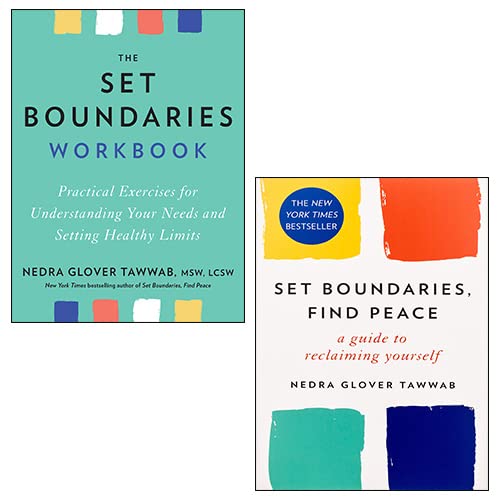
People often treat boundaries like fences around the heart. They’re not. They’re more like the frame of a house. Without them, everything sags.
Self-respect says, “My feelings count here too.” It says your time matters, your body matters, your peace matters. Far from killing love, boundaries protect it. They make trust clearer because no one has to guess where the line is.
When mutual respect is present, love feels steadier. You don’t have to earn basic care. You don’t have to bleed to prove devotion. Both people get to exist fully, not one at the expense of the other.
You can care deeply and still refuse what harms you
This is where many people get stuck. They think saying no means they stopped loving. It doesn’t. Compassion and compliance are not the same thing.
You can understand someone’s pain and still reject their behavior. You can wish them well and still step back. You can love a parent, partner, sibling, or friend and still say, “I won’t keep doing this.”
Love without honesty is unstable. Love without safety is exhausting. Love without respect turns into a test you can never pass, because the point keeps moving. You do not have to keep proving your heart to people who keep bruising it.
This part matters because misuse rarely arrives with a sign on the door. It works through patterns, excuses, and repetition. Often, you spot it only after you feel worn out.
You keep explaining their behavior, but no one explains your pain
You become the translator for everything they do. You soften the story for them. You say they’re tired, stressed, scared, overwhelmed, misunderstood. You build a whole shelter around their behavior.
But who shelters you?
If you carry all the empathy in the relationship, something is off. When your hurt gets minimized while their motives get studied in detail, loyalty has turned one-sided. You become the shock absorber for every hard moment. They stay centered. You stay stretched.
Red flags also shrink when you love someone. That’s human. Yet if you keep editing reality so it looks less painful, your mind may be trying to protect you from a truth your heart already knows.
Your body knows before your mind admits it
The body is often the first witness. Before your thoughts catch up, your shoulders tighten. Your stomach drops. Sleep gets thin. You feel tired after seeing them, not nourished. A text alert can feel like a storm cloud rolling in.
Current advice in 2026 puts more weight on these internal signals, and for good reason. Stress often shows up as tension, dread, headaches, poor sleep, fatigue, or that heavy feeling before a call, visit, or long talk. Your body may be saying, “This isn’t safe for me,” while your mind is still bargaining.
Listen closely. The body rarely lies to spare your feelings.
How to choose yourself without turning cold or cruel
Choosing yourself doesn’t mean slamming doors and hardening your heart. It means telling the truth sooner. It means acting like your inner life matters. Whether you leave, pause, or reset the relationship, the goal is the same: stop treating your pain like the price of love.
That shift often starts small. One sentence. One limit. One honest moment where you stop polishing what hurts.
You don’t need drama to change your life. You need clarity, and then steady follow-through.
Start with one honest sentence you have been afraid to say
Truth doesn’t have to be grand. It has to be clear.
Maybe your sentence is, “That hurt me.” Maybe it’s, “I can’t keep having this same conversation.” Maybe it’s, “If this keeps happening, I’m stepping back.” Short words often carry more strength than long speeches.
Say the thing you keep swallowing. Name what hurts. Name what must change. Name what you will no longer carry alone. If the other person meets your honesty with care, there may be room to rebuild. If they mock it, dodge it, or punish it, that tells you something too.
Build boundaries that match your values, not your guilt
A boundary works best when it is plain and paired with action. “Don’t speak to me like that” is a start. “If you raise your voice, I will end the call” is clearer. The line matters, but so does the follow-through.
At first, guilt may bark loudly. That doesn’t mean the boundary is wrong. It may only mean you’re breaking an old habit of overgiving.
Healthy people often adjust, even if they need time. Unhealthy patterns usually push back harder at first. You may hear blame, tears, anger, or guilt trips. Stay with the truth anyway. A boundary is not punishment. It’s a map for what respect looks like in your life.
Make room for a life that does not depend on their approval
When a relationship has taken up too much space, self-trust can feel thin. Rebuild it in simple ways. Write in a journal. Sit with a therapist. Tell one trusted friend the unedited truth. Take a walk alone without explaining where you are. Return to a hobby that makes you feel like yourself.
In 2026, more people are talking about keeping their identity inside relationships, not outside them. That matters. Love should not erase your voice, your goals, or your private joy.
Try a daily check-in: “What do I feel? What do I need? What am I pretending not to know?” Those small questions pull you back to yourself. Over time, they help you stop asking for permission to exist.
Staying is not always love. Leaving is not always betrayal. The deeper test is this: can you remain in the relationship without leaving yourself?
When self-respect enters the room, every bond changes shape. Some grow stronger. Some fall apart. Both outcomes tell the truth.
Loyalty was never meant to cost you your own name.