The old alpha image still sells well: jaw tight, feelings buried, no cracks allowed. Many people still think strength means silence, control, and never asking for help. A hard shell can look impressive from a distance, but it often hides fear.
That is the flip most people miss. Vulnerability is not soft in the weak sense. It takes nerve to admit grief, confusion, need, or love without hiding behind a performance. When you stop acting invincible, you stop wasting energy guarding an image.
Spiritually, that honesty changes a person. It lowers pride, widens compassion, and opens the door to peace. Real strength begins where pretending ends, and people can feel the difference.
Why the old alpha idea keeps people stuck
The old alpha script keeps people stuck because it confuses being feared with being strong. Though alpha talk is often aimed at men, anyone can get trapped in the same act. You learn to manage impressions, hide weakness, and treat every hard moment like a test you must pass alone.
The myth of strength as control
Once control becomes your measure of worth, every room turns into a contest. At work, someone turns meetings into turf wars. In a relationship, disagreement feels like disrespect. In a friend group, the loudest voice grabs the center because silence feels like losing.
That posture looks solid, but it is brittle. Control has to be defended all day. You watch people’s tone, scan for threats, and push harder when you feel small. Underneath the swagger, there is often plain fear: fear of being ignored, corrected, or seen as ordinary.
What happens when emotions get locked away
Locked-away emotion does not disappear. It changes shape. Sadness can come out as anger. Fear can show up as blame. Shame often becomes withdrawal, sarcasm, or numbness. Then trust thins out, because the people around you never know what is real.
Inner peace also slips away. The body keeps score, even when the mouth says, “I’m fine.” Clinical psychologist Sandra Parker makes that point in Vulnerability Is Not Weakness, where she argues that facing our shared human limits honestly can make us stronger.
How vulnerability becomes spiritual strength
Spiritual strength starts with honesty. It grows when you stop treating your inner life like a courtroom and start meeting it like sacred ground. Pain, doubt, and need do not cancel your worth. They tell the truth about being human, and truth is where the soul can breathe.
Armor can hide a wound for a while, but it can’t heal it.
Telling the truth about what you feel
Telling the truth about what you feel takes more courage than hiding it. Anyone can put on a calm face for an hour. It takes steadiness to say, “I’m scared,” “I miss them,” or “I don’t know what to do.” Those words break the spell of denial, and healing often begins there.
A longitudinal paper on vulnerability and connection in the NIH archive describes a hard but hopeful pattern: exposure can shake the self, yet it can also open the door to greater connection. That lines up with spiritual life. When you name the truth, you stop running from it, and you can finally bring it into prayer, reflection, or honest conversation.
Admitting you do not have it all together
Saying “I need help” can feel like dropping your shield in public. Still, it often comes from confidence, not weakness. The person who can admit limits no longer needs to perform perfection. Humility clears space for learning, for rest, and for grace.
When you say “I do not know,” you also become teachable. That matters in faith, in marriage, in parenting, and in work. A soul that must always appear certain cannot listen well.
Why compassion grows when pride gets smaller
Compassion grows when pride shrinks. Once you face your own fear with honesty, you become less harsh with other people. You stop expecting flawless behavior because you know what pain can do to a person. Forgiveness comes faster, and judgment loses some of its heat.
That is one reason vulnerable people often feel safer to be around. They do not need to win every exchange. They can stay present with another person’s tears, confusion, or failure without turning away.
What real strength looks like in everyday life
Real strength shows up in ordinary scenes. You see it in kitchens, offices, parked cars, waiting rooms, and quiet bedrooms after a hard day. Spiritual maturity is less about grand speeches and more about the small choices that make other people feel safe, and make you honest when no one is watching.
Speaking honestly without being harsh
A strong person can speak plainly without trying to crush anyone. They can say, “That hurt me,” or “I disagree,” without turning the moment into a power play. Because they are not hooked on dominance, they do not need threats, bluffing, or a raised voice to feel solid.
That balance matters at home and at work. Honesty without kindness becomes a weapon. Kindness without honesty becomes avoidance. Real strength holds both. In private, the same strength lets you tell the truth in the mirror. You notice envy, grief, or pride without dressing it up.
Staying calm when life gets heavy
When life gets heavy, a grounded person does not fake certainty. They breathe, face facts, and take the next right step. Sometimes that includes calling a friend, asking for counsel, or admitting they have hit a wall. Calm is not the absence of pain. It is the refusal to let panic run the room.
Respect earned through fear never feels secure. It lasts only as long as the pressure does. Character lasts longer. So does consistency. People trust the person who keeps their word, owns mistakes, and treats others with care.
Forced status is loud. Quiet strength does not need an audience. It shows up when someone apologizes first, keeps confidence, or stays gentle when they have every excuse to posture.
In families, that person becomes a steady place. In friendships, they become trustworthy. At work, they become the leader people want to follow because they feel safe, not because they feel small.
How to practice vulnerability without losing your center
You do not need a total personality overhaul to live this way. You need practice. Small acts of honesty build a stronger center over time, the same way steady breathing calms a racing body.
Start with one honest conversation
Start with one honest conversation. Pick one safe person and share one real thing you have been hiding. Keep it simple. You might say you feel worn out, ashamed, lonely, or afraid. The goal is not a dramatic confession. The goal is to let one true sentence out into the open.
After that, notice what happens in your body. Many people expect collapse, yet what often comes is relief.
Notice the stories that keep you armored up
Next, pay attention to the stories that keep your armor in place. Maybe you learned that strong people never cry. Maybe you believe asking for help means failure. Maybe you think love has to be earned by performance. Those beliefs shape your tone, your choices, and the roles you play.
When you catch one of those stories, challenge it. Ask whether it brings peace, honesty, or connection. If it does not, it may be time to let it go.
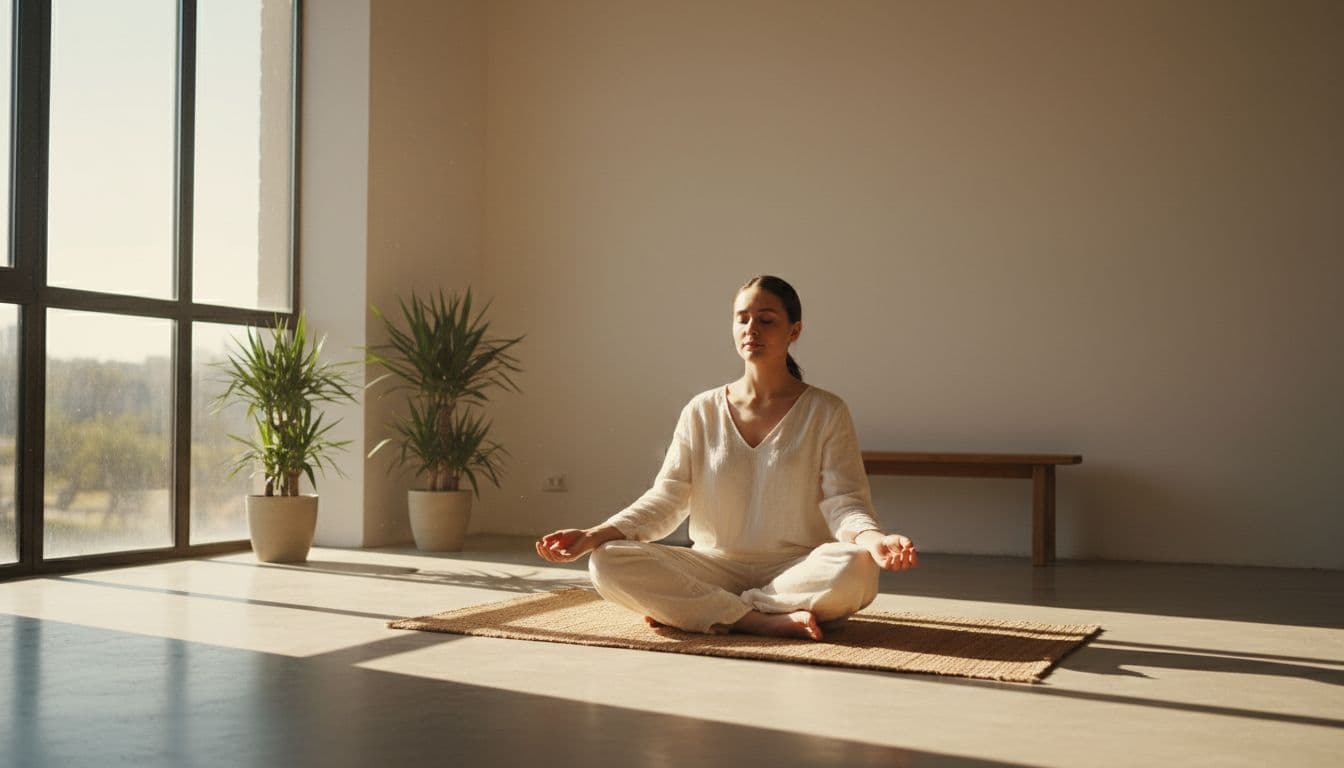
Use reflection, prayer, journaling, or quiet time to reset
Regular reflection helps because life gets noisy fast. A few minutes of prayer, journaling, or quiet sitting can clear the static. If prayer is part of your life, stop editing it. Honest prayer heals more than polished words. If journaling feels easier, write without trying to sound wise.
Name what you feel. Write what you fear. Then ask what is true, what is needed, and what matters most today. These small practices do not make you fragile. They make you harder to fool, including by your own ego. That is a steady kind of spiritual strength.
Choosing a stronger kind of alpha
Alpha culture taught many people to hide the bruise and protect the mask. That path often runs on fear, even when it looks confident. Vulnerability asks for more courage because it tells the truth. It lets you be seen, corrected, comforted, and changed.
When you choose honesty, humility, and compassion, you do not lose your center. You find it. That is the kind of power that can hold pain without turning cruel. It can lead a family, face grief, and stay tender.
Start with one true sentence today. Tell it to yourself, to God, or to someone safe. The strongest person in the room may be the one who no longer needs a mask.