Disclosure: This article contains affiliate links. As an Amazon Associate, Soul Connections Hub earns from qualifying purchases, at no extra cost to you. Learn more.
One day the bond feels electric. The next, your texts sit unanswered, your chest feels tight, and the silence sounds louder than any fight. That swing from closeness to distance can feel cruel, random, and impossible to understand.
If you’re caught in a twin flame separation, the pain can turn into obsession fast. You replay every word, search for signs, and wonder if the loss means something sacred or something broken. Yet the hidden pattern is usually simpler than people think. The bond gets close, old wounds rise, chasing begins, and life pushes you back toward yourself.
The hidden pattern is simple, separation starts when the bond hits an unhealed wound
Twin flame separation often begins at the exact point where the connection stops feeling dreamy and starts feeling exposing. At first, the bond can feel like coming home. Then, almost without warning, it presses on pain both people have tried to bury.
That pain often has familiar roots. Childhood hurt, family stress, fear of intimacy, and shame around being fully seen are common triggers. In some 2026 spiritual circles, people also talk more about ancestral patterns and old family beliefs around love. Still, you don’t need mystical language to see the shape of it. When a bond gets intense, it acts like a mirror. Whatever you haven’t healed starts asking for attention.
So what feels like rejection is often activation. The other person may pull away, but the deeper shock comes from what the bond wakes up in you.
Separation often starts when deep love touches old pain that never had words.
Why the connection feels magnetic right before everything changes
In the early stage, many people describe a strange pull. There’s recognition, vivid dreams, uncanny timing, and a sense that this person sees straight through the mask. The closeness can feel rare, even fated.
Yet that same closeness can stir fear. Being seen can feel beautiful and dangerous at once. If love once came with chaos, distance, or mixed signals, real intimacy won’t feel safe for long. The heart opens, and the nervous system hits the alarm.
How pain from the past gets mistaken for a soul test
This is where many people get stuck. They assume intense pain must mean deep spiritual meaning. Sometimes it doesn’t. Sometimes it means an old wound got hit.
Growth can be painful, yes. But trauma bonding and soul growth aren’t the same thing. If the bond keeps you anxious, chasing, and unable to function, suffering is not proof that love is pure. Pain does not make a connection holy. It often means healing is overdue.
The runner and chaser cycle is usually the clearest sign of the pattern
The runner and chaser cycle is less about one person loving more and more about two people coping in opposite ways. One person feels flooded and backs away. The other feels the loss and moves closer. Both reactions come from fear.
Recent spiritual talk has shifted in an important way. More people now warn against endless decoding, tarot overuse, and building a whole life around mixed signals. That’s a healthy shift. Chasing doesn’t create peace, and silence doesn’t become clearer because you stare at it harder.
When the bond turns into push and pull, the pattern is already showing itself. One person tries to escape pressure. The other tries to reduce panic. Neither move solves the wound underneath. Instead, the cycle feeds itself, like two people pulling opposite ends of the same rope.
What the runner is often feeling under the silence
Silence doesn’t always mean indifference. Often, the runner feels shame, overwhelm, and fear of change. They may worry they aren’t enough, can’t meet the bond, or will lose control if they stay close.
Some 2026 discussions frame this as a later awakening in the so-called divine masculine. That idea speaks to a common pattern, but it isn’t limited to gender. Anyone can wake up slowly. Anyone can freeze when the heart asks for more truth than the ego can handle.
What the chaser is often feeling under the obsession
The chaser usually isn’t weak. The chaser is activated. Separation lights up abandonment wounds, old panic, and the urge to fix what feels like a life-or-death loss.
That response is deeply human. Still, it keeps the wheel turning. When you monitor every post, reread every message, or make contact just to calm your own fear, you’re asking the other person to settle pain that began long before they arrived.
The separation phase often repeats family wounds before it teaches self-return
The part many people miss is this: separation doesn’t only hurt because of the present. It hurts because it often replays the past. The bond can reopen old attachment pain tied to parents, caregivers, and early family roles.
If you grew up around distance, criticism, or emotional fog, love may already feel linked to strain. If you learned to earn care by being helpful, easy, or self-sacrificing, separation can trigger a fierce need to prove your worth. That’s why the pain feels older than the moment. In many cases, it is.
Some spiritual communities now speak more openly about ancestral healing and mother-line pain. Taken in a practical way, that simply means old family beliefs can move through generations. Ideas like “love leaves,” “love must be earned,” or “peace never lasts” can sit in the body long after childhood ends.
The lesson, then, is not to wait harder. It is to heal the part of you that thinks love must hurt, be chased, or be won.
How family patterns quietly shape who runs, who chases, and who stays stuck
A child raised on mixed signals may become an adult who mistakes confusion for chemistry. Someone with an absent parent may cling when a partner pulls back. A long-time people-pleaser may stay loyal to crumbs because any connection feels safer than none.
On the other side, a person raised in chaos may run from calm because peace feels unfamiliar. Emotional absence can train someone to shut down before closeness gets too real. These roles don’t appear out of nowhere. They often grow from the first relationships a person ever knew.
Why the empty space can become the turning point
Distance feels like a void, but it can become fertile ground. No contact, or even less contact, creates room for grief, honesty, and self-respect. Without constant reaction, you can finally hear your own life again.
That empty space shows what the chase was covering. It gives your nervous system a chance to settle. It also reveals whether the connection has real substance or only strong pull. Sometimes the quiet hurts first, then heals.
What breaks the pattern, and what keeps it going
The pattern breaks when attention returns to the self, not in a selfish way, but in a stable one. Healing means regulating your body, facing your old pain, and stopping the habit of making one person the center of your meaning. It also means setting limits with fantasy.
That work looks plain from the outside. Sleep. Walks. Therapy. Journaling. Time off social media. Breathwork. Honest talks with safe people. Better boundaries. A full day that doesn’t orbit one unread message. In many 2026 conversations, the word people return to is surrender. In healthy terms, that means dropping control, not giving up your dignity.
Some connections do reunite after real change. Others end because the lesson was the point. You can’t force either outcome.
Signs you’re healing the pattern instead of feeding it
A few shifts tend to show up when healing is real:
You check less and panic less.
You stop treating every sign like a command.
Your boundaries get clearer.
Daily life starts to feel solid again.
You trust your own perception more.
Peace is often quieter than obsession. That’s why people miss it at first.
Signs you’re still trapped in the cycle
The cycle usually stays alive when your world keeps shrinking around the bond:
You use tarot or readings to avoid direct truth.
You decode every post, song, and delay.
You accept crumbs and call them progress.
You romanticize suffering.
You put your life on hold while waiting for a shift.
If your healing depends on their return, you’re still tied to the same wound.
The hidden pattern behind every twin flame separation isn’t random loss. It’s exposure. The bond touches old pain, then life asks a hard question: will you repeat the wound, or heal it?
That choice is the real turning point. Separation can become a trap, or it can become the moment you stop confusing longing with love and pain with destiny. The silence that once broke you may end up showing you where you begin.
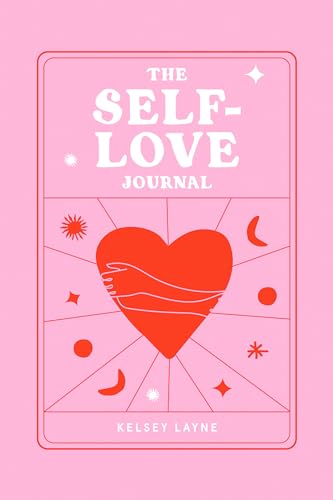
When separation patterns repeat, the real work starts within. A guided self-love journal helps you break the cycle and rebuild your sense of self.