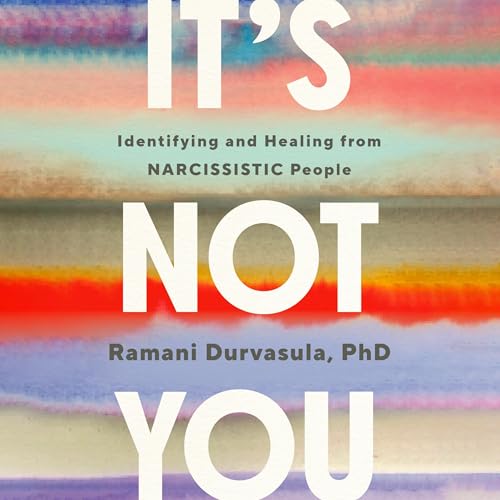
Disclosure: This article contains affiliate links. As an Amazon Associate, Soul Connections Hub earns from qualifying purchases, at no extra cost to you. Learn more.
Please note: This article shares spiritual and personal-development perspectives. It is not medical or mental-health advice. If you are experiencing physical symptoms, emotional distress or anything that worries you, please speak with a doctor or a licensed mental-health professional.
When someone floods you with praise, attention, and promises, it can feel bigger than romance. It can feel fated. Like the universe finally sent you the love you prayed for.
That’s why narcissistic love-bombing is so confusing. In simple terms, it means overwhelming you early, with affection, constant contact, big words, gifts, and pressure to bond fast. Psychology treats it as manipulation, not magic. Still, many survivors make meaning from it afterward, not to excuse the abuse, but to understand what it revealed inside them.
If this felt like a spiritual test, the lesson was never to accept mistreatment. It was to spot false intensity, trust your inner warning, and protect what is true in you.
What narcissistic love-bombing looks like before the mask slips
At first, love-bombing rarely looks dangerous. It looks flattering. You feel wanted, chosen, and seen in a way that seems rare.
Yet the same attention that feels sweet in week one can feel heavy by week four. What looked like devotion starts acting like control. As of April 2026, psychological sources still describe this pattern as part of a wider abuse cycle, often moving from idealization to devaluation, then discard or hoovering. The early high can also trigger dopamine and oxytocin, which helps explain why people ignore warning signs.
Why it feels like a soul-level connection in the beginning
The early stage often feels like a movie. They text all day. They praise your looks, your mind, your energy, your pain, your future. They say no one has ever understood them like you do. Soon, they talk about trips, living together, marriage, or building a life.
For someone who has felt lonely, unseen, or worn down, this can land like rain on dry ground. It feels healing. It can even feel spiritual, as if the connection arrived with perfect timing.
But intensity is not the same as safety. A fire burns bright too. That doesn’t mean you should live inside it.
The red flags hidden inside the fairy-tale stage
The warning signs often hide inside the charm. They push for quick commitment. They act hurt when you need space. They want more access, more time, more emotional control than the bond has earned.
Then the tone shifts. Warmth turns into criticism. Admiration becomes jealousy. Affection gets tied to compliance. If you pull back, guilt appears. If you set a limit, they punish it.
Love-bombing isn’t proven love. It’s often a fast hook, designed to beat your judgment to the finish line.
That early fairy tale matters because it sets up the larger cycle. First comes idealization. Then comes devaluation, where blame, confusion, and self-doubt grow. After that, there may be discard, or hoovering, where they try to pull you back with fresh promises.
If it was a spiritual test, here is what it was really testing
Calling it a spiritual test should never clean up what happened. Abuse is still abuse. Yet many people understand painful relationships through a spiritual lens because they want to know what the experience asked of them.
Seen that way, the test was not, “Can you suffer enough?” It was, “Will you stay awake when illusion feels good?”
Discernment, can you tell deep love from emotional overload?
Discernment is quiet. Love-bombing is loud. That contrast is the whole lesson for many survivors.
Real love can feel exciting, but it doesn’t rush past truth. It doesn’t demand trust before it earns it. It doesn’t build a fantasy so fast that you have no time to think. Healthy love respects time, consistency, and reality.
Emotional overload does the opposite. It creates so much heat that you confuse movement with meaning. Suddenly, you’re making room for someone you barely know. Your body feels charged, your mind feels foggy, and your wise voice gets pushed into a corner.
So the test may have been this, can you slow the pace when someone tries to speed it up? Can you let time reveal character?
Self-worth, do you believe love must be earned through pleasing someone?
Love-bombing often hooks the tender places. It reaches for old hunger, old grief, old doubt. If part of you still believes you must perform to be loved, this kind of attention can feel like proof that you finally got it right.
That’s why the trap is so personal. It doesn’t only target your heart. It targets your story about your worth.
Maybe you learned early to keep the peace. Maybe being chosen felt safer than being alone. Maybe you confused pursuit with value. When the narcissist chased hard, something inside you may have said, “See, I matter now.”
But your worth was never on trial. The deeper lesson is to stop trading peace for approval. You do not become more lovable because someone wants you badly. Desire can be selfish. Attention can be hungry. Pursuit can be possession wearing perfume.
When self-worth heals, the spell breaks. You stop asking, “Why did they want me so much?” and start asking, “Why did I feel I had to keep proving I deserved calm love?”
Boundaries and intuition, will you honor the quiet warning inside you?
Most survivors can name the moment something felt off. It might have been a joke that stung, a demand that felt too fast, or a strange guilt after saying no. The warning was often soft, almost easy to dismiss.
That’s how intuition works. It doesn’t always scream. Sometimes it only tightens your chest.
Love-bombing tests whether you’ll override that signal for the sake of the fantasy. Will you keep a boundary when the other person pouts, pressures, or punishes? Will you believe your body when your mind still wants the dream?
Many people don’t, at first. That doesn’t mean they failed. It means they were manipulated. Still, the lesson remains. Your intuition is not rude. Your boundary is not cruel. When someone reacts badly to your limit, they are giving you information.
How to turn the lesson into protection, not shame
Insight helps only when it changes your future. The point is not to sit in blame and replay every message. The point is to build a filter that protects your peace.
Healing works best when it moves from meaning into action. Shame says, “I should have known.” Wisdom says, “Now I know what to watch.”
Use a slow-love filter when someone comes on too strong
A simple filter can save you months of pain. Keep your routine. Delay major promises. Watch whether words and actions match over time.
A few habits help:
Wait before making big commitments, especially if the bond feels rushed.
Keep seeing friends and family, because isolation clouds judgment.
Notice how they handle “no,” disappointment, and ordinary delays.
Let trusted people reflect what they see, because outsiders often catch what infatuation hides.
Healthy people can tolerate pacing. Manipulative people push against it.
Heal the part of you that mistook intensity for safety
This step matters most. If chaos once felt like love, calm may feel unfamiliar at first. That doesn’t mean calm is empty. It means your nervous system needs time to relearn what safety feels like.
Write down your gut feelings. Journal what your body noticed before your mind explained it away. Therapy or support groups can help untangle trauma bonds. Prayer, meditation, and silence can help too, if those practices ground you. And when needed, no contact creates the space your mind and body need to clear.
Don’t spend your healing trying to decode the abuser forever. Bring the focus back to yourself. Rebuilding self-trust is the real repair.
The real spiritual meaning is not suffering, it is self-return
If this experience held a spiritual lesson, it was not a lesson in enduring pain. It was a lesson in coming back to yourself.
False love pulls you outward, into performance, confusion, and hunger. Real growth pulls you inward, toward truth, dignity, and steadiness. That’s the shift. You stop calling chaos chemistry. You stop calling pressure passion. You stop calling fantasy fate.
Many survivors say the deepest change came when they chose self-respect over being chosen. That is what self-return looks like. Not bitterness, not numbness, but clear sight.
You don’t need to turn the wound into something beautiful to prove you’ve healed. You only need to stop abandoning yourself to keep someone else close.
You were not tested on how much pain you could carry. You were tested on whether you would leave yourself for attention.
The good news is that being deceived does not mean you failed. It means someone used illusion well. Your win begins when you recognize it sooner, trust your inner signal faster, and keep your boundaries even when charm tries to shake them.
Choose peace over intensity next time. Real love does not feel like a trap with flowers on it. It feels steady, safe, and honest.