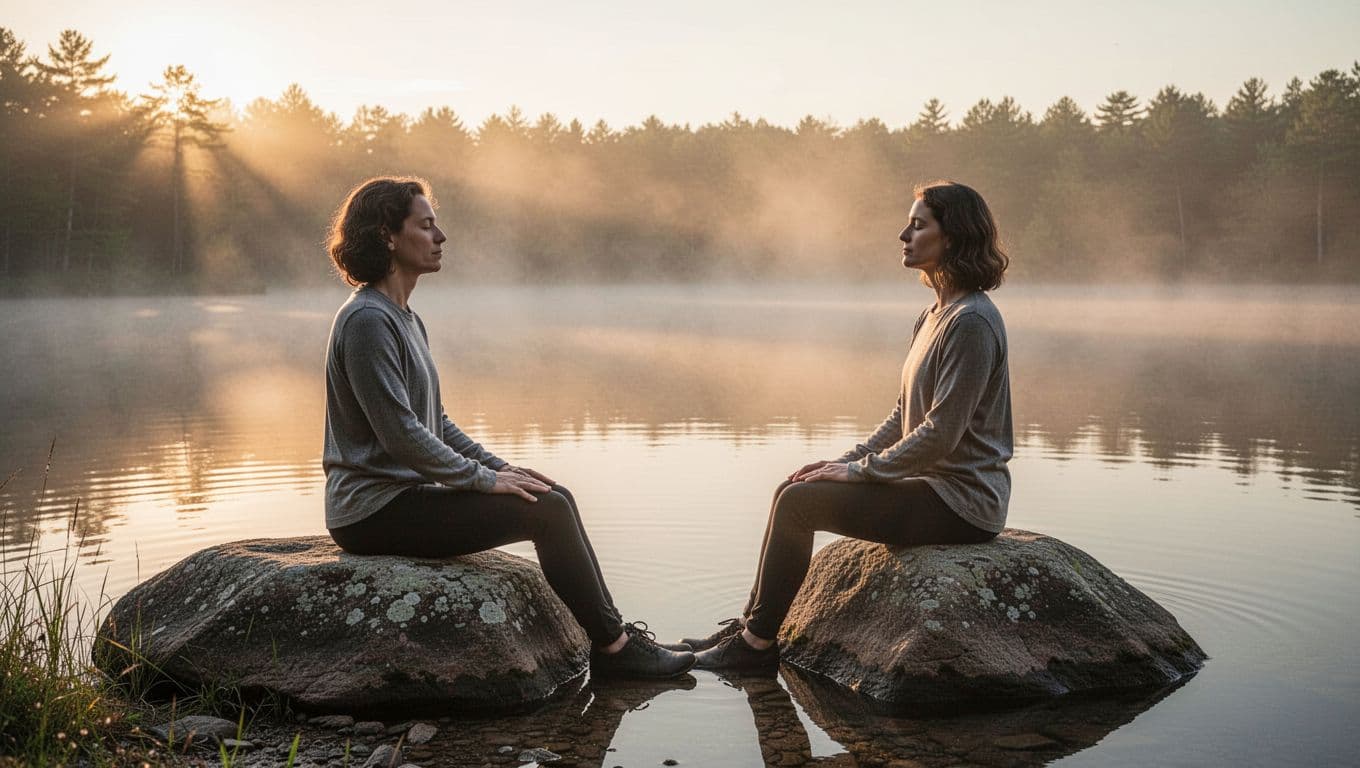
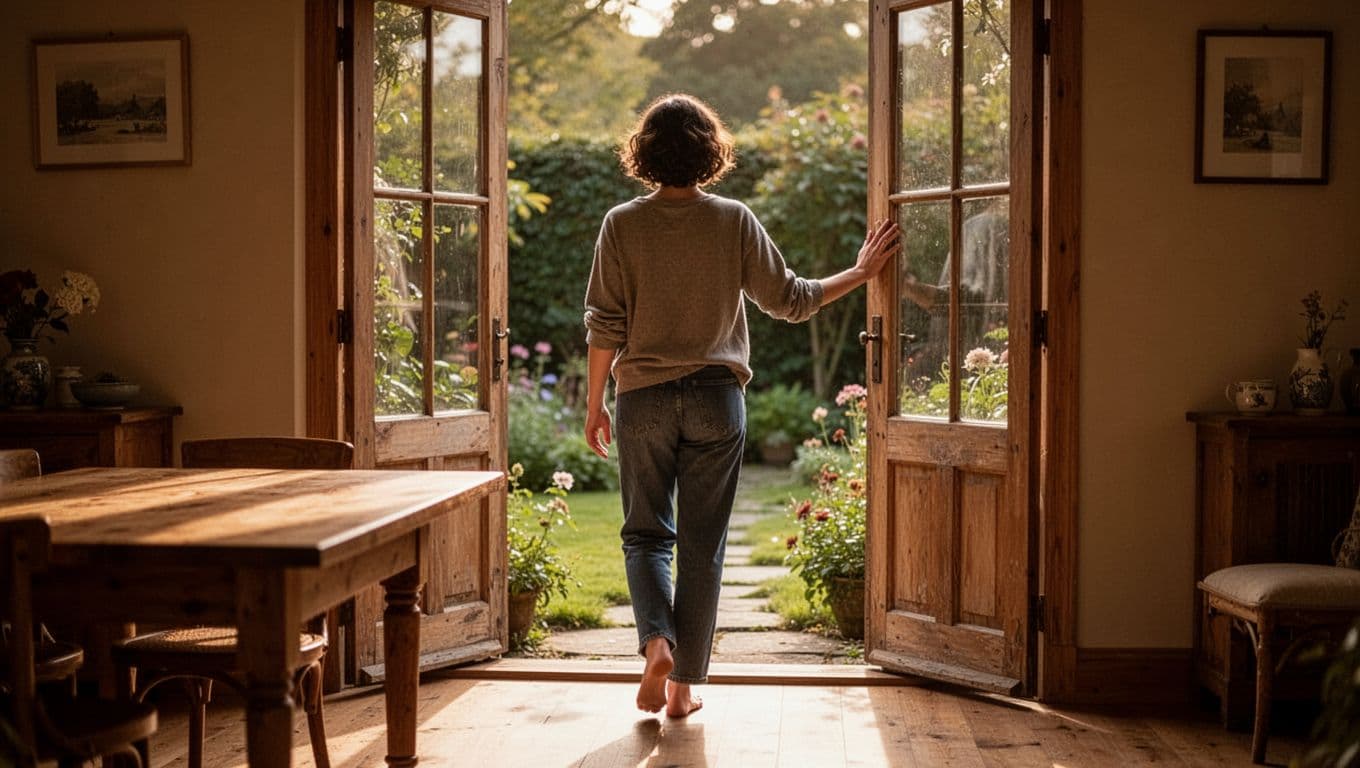
The room is warm with anger. Someone is mid-sentence, the old wound is back on the table, and you can feel another sharp reply rising in your chest. Then you stop. You let the moment pass without feeding it.
That kind of silence isn’t empty. It’s a steady choice to protect your peace, your dignity, and the part of you that knows every battle leaves a mark.
Sometimes walking away isn’t avoidance at all. Sometimes it’s wisdom putting a hand on your shoulder and saying, “Enough.” That is where sacred silence begins.
Sacred silence is not weakness, it is spiritual strength
Walking away gets misread. People call it passive, cold, or afraid. Yet some of the strongest choices are the ones that refuse to add more harm. A harsh word can take one second to say and years to forget. Silence can stop that damage before it starts.
Sacred silence is rooted in self-control. It says, “I won’t trade my inner life for one more chance to be right.” In that sense, walking away is a form of trust. You trust that truth doesn’t need panic. You trust that your worth doesn’t depend on winning every argument. As reflections like Choosing Peace Over Chaos suggest, stepping back can protect dignity instead of shrinking it.
Christian faith honors this kind of restraint. So does Buddhism. Stoic thought does too. The language changes, but the lesson stays close: peace grows where ego stops shouting.
Silence can be a shield for the soul when words would only make the wound wider.
What makes silence sacred instead of cold
Not all silence heals. Some silence punishes. The silent treatment tries to control, shame, or starve another person of connection. Sacred silence does something else. It creates space, sets a boundary, and lowers the temperature.
A simple test helps. Ask yourself: am I stepping back to protect peace and return with honesty, or am I withdrawing so the other person will suffer? The first comes from clarity. The second comes from revenge. One leaves the door open for truth. The other slams it for power.
Why many faith traditions honor quiet places
Jesus often withdrew to pray before pressure swallowed the moment. Buddhist practice treats silence as a path to seeing clearly, not as an escape from life. Stoics taught self-command, the art of not letting every insult take the wheel.
Across those paths, silence has the same gift. It clears space for prayer, reflection, and inner wisdom. If you want a thoughtful meditation on that inner stillness, The Silence Behind the Silence offers a reflective look at peace that isn’t tied to changing moods.
What walking away does for the heart, mind, and soul
When you step out of chaos, your body gets a chance to settle. Your thoughts stop racing. Shame doesn’t drive the next sentence. That pause matters because the nervous system can’t sort truth well when it feels under attack.
Walking away can restore dignity. It keeps you from begging to be understood by someone committed to misunderstanding you. It also reveals patterns. If every talk ends in blame, mockery, or confusion, the silence after it may tell you more than the talk ever did.
In ordinary life, this looks simple. Your shoulders drop. Your breathing slows. Then your better judgment comes back online. That is not weakness. It is a return to yourself.
The pause that keeps pain from spreading
Conflict spreads fast. One insult invites another. A raised voice invites a louder one. Silence breaks that chain. Because you don’t react on the spot, pain has less room to multiply.
Sometimes that pause saves a relationship. Two people cool down, come back later, and speak like adults. At other times, the pause reveals a harder truth. If your calm is met with more contempt, the relationship may not be safe or healthy. Either way, silence gives you clean information.
For a practical look at when stepping back helps, this piece on staying silent and walking away shows how a pause can protect both self-respect and the conversation itself.
How silence returns you to yourself
Noise pulls you outward. Everyone wants a response, a defense, an explanation. Yet quiet turns you inward, where your values still have a voice. After a hard exchange, silence can help you ask: What do I believe? What do I need? What am I no longer willing to carry?
That hunger for stillness is easy to see in 2026. Silent retreats are booming across the US, and many center on nature, prayer, meditation, and time away from phones. The trend says something plain: people are tired of constant input. They want less screen glare, less mental static, and more room to hear themselves again. When you walk away from noise, focus often returns with it. So does self-awareness. So does restraint.
How to walk away with grace, not guilt
Grace matters because silence can become another weapon if you leave in anger. Walking away well means you don’t slam doors with your words on the way out. You also don’t stay to prove you’re kind. Peace needs courage, and boundaries do too.
In family conflict, this may mean ending a holiday argument before it turns cruel. At work, it may mean refusing to keep talking after disrespect crosses the line. In dating, it can mean leaving when mixed signals and pressure start eroding your self-trust.
You don’t owe every tense moment a speech. Sometimes the cleanest act is the kindest one.
Simple signs it is time to step back
Watch for patterns like these:
The same argument loops with no listening.
Respect disappears, even when you stay calm.
You’re pushed to betray your values.
Every interaction leaves you drained or ashamed.
Your peace vanishes the moment their name appears.
One bad day can happen. Repeated harm is different.
A quiet way to leave that still honors your peace
Keep it simple. First, pause long enough to feel your feet on the floor. Next, breathe before you speak. Then say less than your anger wants. Leave cleanly. Reflect later, when your mind is clear.
A short sentence is often enough: “I’m not able to continue this well right now, so I’m stepping away.”
That line doesn’t attack. It doesn’t beg. It tells the truth. Later, you can decide whether to return, reset the boundary, or let the distance remain. If walking away gives you more peace than staying ever did, pay attention.
Conclusion
Sacred silence asks for more strength than many people realize. It means refusing to abandon your soul for the thrill of the last word. When you walk away with honesty and calm, you protect more than your mood. You protect your inner life.
The next time an argument asks you to become smaller, harsher, or less true, let silence do its holy work. Peace is not always found in what you say. Sometimes it begins in what you refuse to keep repeating.