You know that pull, the one that drags you back even after the tears, the silence, and the promises that broke last time. A karmic relationship is a spiritual term, not a clinical diagnosis, yet many people use it for intense, on-and-off bonds that feel fated.
What makes them so hard to leave is not fate alone. More often, the obsession grows from a push-pull cycle, brain chemistry, old wounds, and the aching hope that one more try will fix everything. That mix can feel like love with a halo around it, even when it hurts.
What a karmic relationship really is, and why it feels bigger than normal love
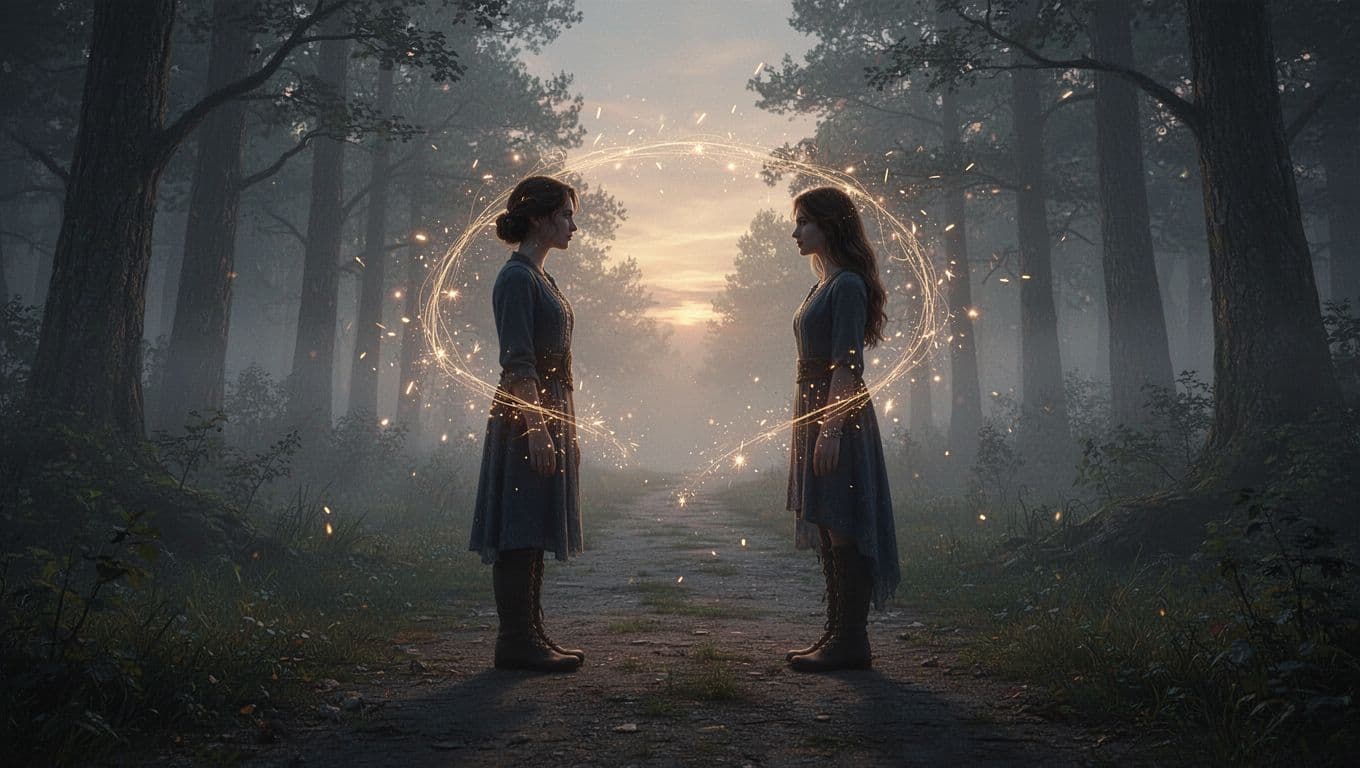
People usually describe a karmic relationship as a bond that arrives fast, shakes your life, and forces hidden patterns into the open. In spiritual language, it is said to bring lessons. In plain language, it often feels like meeting someone who touches every bruise and every dream at once.
That is why the connection can seem bigger than normal love. It does not feel gentle or steady. It feels urgent, loaded, and hard to ignore. Many people read that force as destiny.
The instant spark that feels like fate
At the start, these relationships often burn bright. There is strong chemistry, long eye contact, late-night talks, and a strange sense that you have known this person before. The body reads the moment as recognition.
Still, instant connection is not the same as healthy fit. A person can feel familiar because they stir old emotional patterns, not because they are right for you. The spark is real, but it can light a house fire as easily as a candle.
Why therapists compare it to trauma bonding
Many therapists describe the same pattern with words like trauma bonding, insecure attachment, and codependency. Cleveland Clinic and Thriveworks both frame these bonds as intense and unhealthy when pain keeps mixing with affection.
When someone hurts you, then soothes you, the relief feels huge. Your brain starts chasing the next warm moment. Over time, that repeated hurt-and-repair cycle can look like deep love, when it is closer to conditioning.
Pain followed by comfort can train the heart to call chaos “connection.”
The push-pull cycle that turns strong feelings into obsession
This is where the addiction-like feeling grows. First comes closeness. You feel chosen, seen, and almost fused. Then conflict hits. Maybe it is jealousy, silence, blame, or a sudden shift in mood. After that comes distance, and distance is where the mind starts spinning.
You replay old texts. You check your phone. You remember the good parts and shrink the bad ones. Longing grows because the bond now feels unfinished. When reunion comes, the relief is intense. The body softens. Hope rushes back. For a moment, it feels like proof that the love was real all along.
Then the cycle starts again.
How hot and cold behavior keeps your brain hooked
Uncertainty is powerful because the reward is not steady. A kind word after days of distance can feel larger than it should. A sudden apology can erase a week of pain, at least for an hour. This is called intermittent reinforcement, and it hooks people hard because the good moments come at random.
That randomness sparks dopamine. Not because the relationship is healthy, but because your brain is waiting for the next emotional high. The same pattern shows up in gambling. You do not know when the reward is coming, so you stay glued to the machine.
Love is not supposed to feel like pulling a lever and praying.
Why old wounds make the cycle feel personal
For many people, the bond lands on old hurt. Childhood neglect, fear of abandonment, anxious attachment, or past heartbreak can make emotional chaos feel familiar. Familiar pain often feels safer than calm, simply because the nervous system knows it.
As a result, you may not be chasing the person alone. You may be chasing relief, approval, closure, or the chance to finally win the love you missed before. That is why rejection in a karmic bond can feel so personal. It wakes up older grief.
Signs the bond is karmic, not healthy, and how to break free
Healthy love has heat, but it also has peace. You do not spend most days decoding mixed signals. You do not have to earn basic care. If the relationship keeps draining you, the lesson may not be how to love harder. It may be how to stop abandoning yourself.
Red flags that often hide behind the chemistry
Strong chemistry can hide a lot. Watch for patterns like these:
Constant breakups and makeups
Emotional exhaustion after most interactions
Jealousy, control, or guilt used to keep you close
Obsession that disrupts sleep, work, or peace
Feeling stuck, even when you know it is hurting you
Confusing pain, drama, and longing with passion
If this sounds familiar, trust the pattern more than the promise. Words can soothe in the moment. Repeated behavior tells the truth.
What helps you step out of the cycle for good
Start by naming what is happening. That alone breaks some of the fog. Then write the cycle down, closeness, conflict, distance, reunion. Seeing it on paper helps you stop calling it magic.
If the bond keeps pulling you under, no contact may be the cleanest choice. In addition, lean on friends who tell you the truth, not only what your heart wants to hear. Therapy can help, especially if this pattern has shown up before. Stable routines help too, because regular sleep, food, movement, and quiet lower the body’s panic.
Most importantly, re-learn what love feels like when it is healthy. It is calm. It is safe. It is consistent. You do not have to bleed for it to count.
Conclusion
Karmic relationships can feel life-changing because they hit old wounds and hand out relief in small, powerful doses. That intensity can look spiritual, but the obsession usually grows through the push-pull cycle, not destiny alone.
You are not weak for getting attached to chaos. The bond was built to keep you hoping. Still, peace is a better guide than panic, and love that lasts does not keep pulling the ground from under your feet.